

Auditory
Neurodiversity Hub Wirral
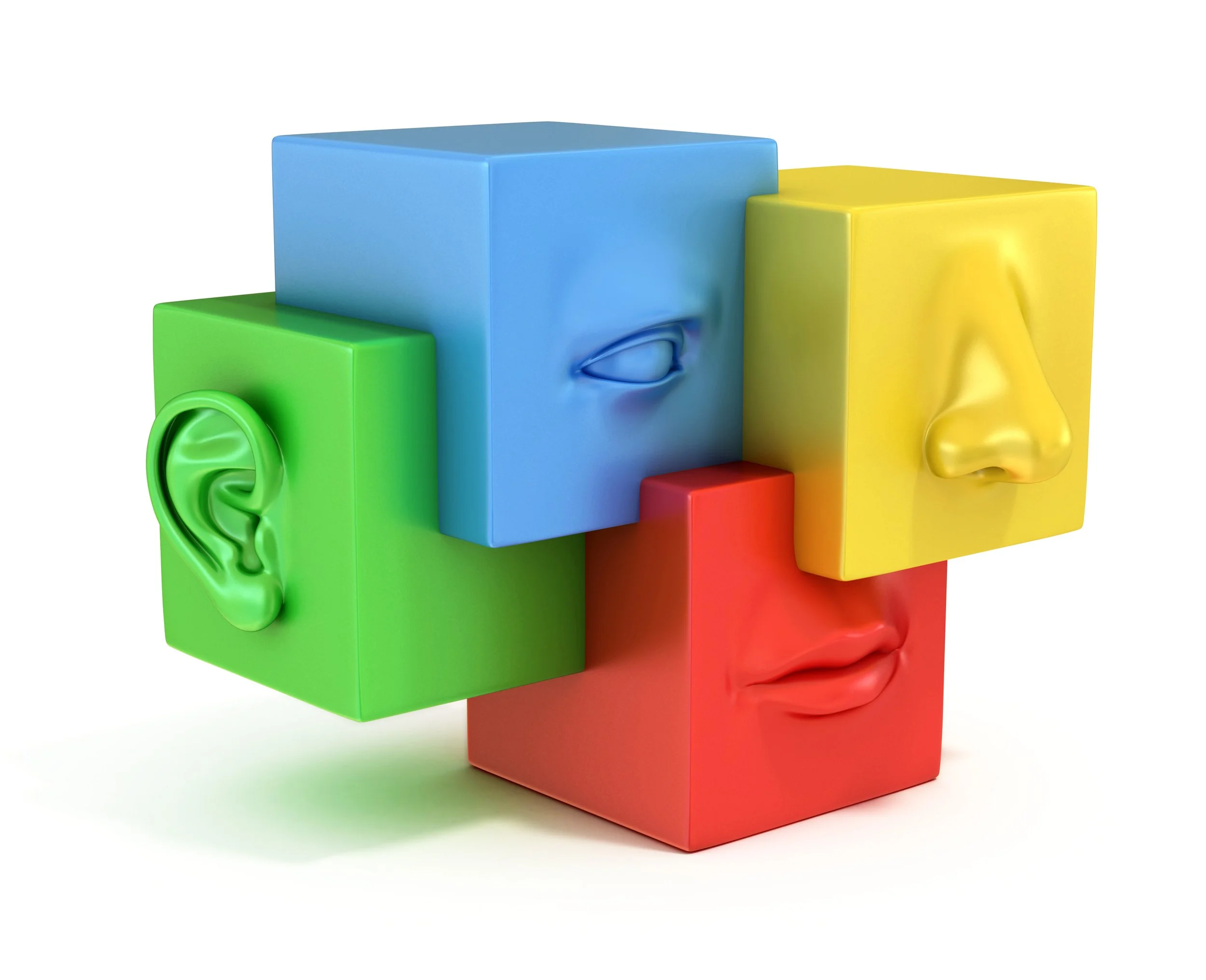
What Is Auditory Processing?
Auditory processing is how the brain and central nervous system understand sounds. It’s different from hearing loss or deafness. A person with auditory processing difficulties hears sounds, but their brain struggles to make sense of them.
These difficulties can affect behaviour and cause stress, anxiety, or even physical pain. CYP may withdraw, act out, or have meltdowns when overwhelmed.
-
Reacting to Sounds
Listening is complex. It involves:
Intensity (how loud a sound is)
Frequency (pitch)
Duration
Location
CYP with auditory processing difficulties may struggle to focus on important sounds and ignore background noise. This can affect how they behave and respond in different settings.
For example, in school, a CYP may not follow instructions because they are distracted by sounds others don’t notice.
-
Signs of Auditory Processing Difficulties
Under-Sensitive
Doesn’t respond to their name
Slow to react to sounds
Struggles to tell sounds apart, even when quiet
Helpful strategies:
Reduce background noise (turn off TV or radio)
Choose seating carefully (e.g. near the teacher or away from noisy areas)
Use visual supports with spoken instructions
Gain eye contact before speaking
Over-Sensitive
Finds noise overwhelming or distorted
Hears distant sounds others don’t (e.g. hand dryers, lawn mowers)
Struggles in crowded or noisy places
Covers ears often
May act out to escape noise
Makes own sounds (e.g. humming) to block background noise
Seeking Auditory Input
Shouts
Bangs objects
Plays music loudly
-
Impact on Learning
CYP may:
Struggle to follow directions
Feel anxious in noisy places
React strongly to high-pitched or repetitive sounds (e.g. school bells)
Settings like schools or restaurants can be challenging due to overlapping sounds from corridors, classrooms, and dining areas.
Strategies That Might Help
Close doors and windows to reduce noise
Prepare CYP before going to noisy places
Offer earplugs or headphones with calming music
Create quiet workspaces away from doors and windows
Use visual aids (e.g. flip charts, whiteboards, handouts)
Give clear, short instructions—use pictures if needed
Repeat important information
Let CYP sit close to the teacher or in quieter areas
Warn CYP before loud sounds (e.g. school bell)
Have calming strategies ready for unexpected noises
Try headphones with low-volume music in busy places
Use proprioceptive (body awareness) activities before noisy events to calm the nervous system
-
Sound Sensitivity
What Is It?
Some children and young people (CYP) are sensitive to certain sounds. These sounds may feel uncomfortable or upsetting. This sensitivity can vary from person to person.
Hyperacusis: sensitivity to sound
Phonophobia: fear of specific sounds
Common triggers include:
Sirens
Vacuum cleaners
Motorbikes
Fireworks
Balloons popping
Hair dryers
Hand dryers
Sometimes, even quiet sounds that others don’t notice can be distressing.
What Causes It?
Sound sensitivity can be a normal part of development. Many young children find loud, sudden sounds scary—especially if they don’t understand what the sound is or where it comes from.
Most CYP adapt over time as they learn that these sounds are not dangerous.
CYP with sensory processing differences or complex needs may experience sound sensitivity more intensely. Support may be available from:
Occupational Therapy
Paediatricians
Child and Adolescent Mental Health Services (CAMHS)
Glue Ear and Sound Sensitivity
CYP who have had glue ear (a temporary hearing condition) may become sensitive to sound once their hearing returns to normal. After a period of reduced hearing, the world can suddenly feel louder and overwhelming.
-
How to Help
1. Reassurance
Explain what the sound is and where it comes from
Prepare CYP in advance if you know a loud sound is coming
Keep a list of sounds that cause distress and share it with caregivers
2. Remove the Fear Factor
Use humour to make scary sounds less frightening. For example:
Dress up the hairdryer with funny glasses and ears
Give it a silly voice
Laughing at the object can help reduce fear.
3. Relaxation and Breathing
Teach simple breathing techniques to help CYP stay calm. One method:
Trace up and down each finger while breathing in and out
There are many free relaxation apps available for smartphones and tablets.
4. Avoid Silence
It may seem helpful to use ear defenders or earplugs, but this can make CYP more sensitive over time. Avoid blocking sounds completely. Instead, help CYP gradually get used to them.
5. Desensitisation
Let CYP explore upsetting sounds in a safe, controlled way:
Use video clips with the sound turned down or off
Let CYP press “play” and control the volume
Slowly increase the volume over time
This process may take days or weeks. Go at the pace that feels right for the CYP.
6. Traffic Light System
For older CYP, explain that their brain is being “too clever” by reacting strongly to sounds.
Use a traffic light system:
Red: Brain is on high alert and sees sounds as scary
Green: Brain is calm and sees sounds as safe
Encourage CYP to remember this system when they hear upsetting sounds. Help them shift from “red” to “green.”