

Children and Food
Neurodiversity Hub Wirral
All children need good nutrition to stay healthy. Eating a balanced diet helps them grow and develop. It also supports their learning because it gives them energy and helps them focus.
When children learn about healthy food early in life, they are more likely to make good food choices when they become adults.
Children with neurodiversity are more likely to have health problems linked to food. These may include being overweight or underweight, trouble swallowing, gastro‑oesophageal reflux disorder (GORD), diabetes, bowel problems and poor oral health.
Some health conditions that are more common as people get older can also be linked to poor diet. These include hypertension (high blood pressure), stroke and coronary heart disease. Neurodiverse children and young people can develop these just like anyone else. Many of these problems can be prevented with good nutrition and healthy daily habits.
Neurodiverse people may also face more challenges in life. They are more likely to have lower income, live in difficult situations and feel socially excluded. These factors can make healthy eating harder.
Poor nutrition over a long time can reduce a person’s lifespan. It can also cause ill health and reduce quality of life. Children and young people with neurodiversity often do not get enough support to stay healthy. They may miss out on basic health checks, health advice and help to build healthy habits.
So, what can help?
-
Children should be encouraged to eat a varied diet. Family, friends and support staff can all help with this. Eating a range of foods helps children get the nutrients they need to stay healthy.
Children should eat foods from all the main food groups every day.
The Eatwell Guide shows 5 main food groups:
fruit and vegetables
potatoes, bread, rice, pasta and other starchy foods
beans, pulses, fish, eggs, meat and other protein foods
dairy and dairy alternatives
oils and spreads
Eating a mix of foods from each group supports good health.
Fruit and vegetables are especially important. Everyone should try to eat at least 5 portions of different fruits and vegetables each day.
You can learn more at: https://www.nhs.uk/live-well/eat-well/
The Eatwell Guide does not apply to children under 2 years old. Their bodies need different nutrients at that age.
Children aged 2 to 5 can slowly move towards eating the same foods as the rest of the family. They should start eating foods in the same proportions shown in the Eatwell Guide.
You can read more about food for babies and young children here:
https://www.nhs.uk/conditions/baby/weaning-and-feeding/babys-first-solid-foods/ -
Children need enough drinks each day, but not too much. Do not assume they will drink enough on their own. They often need reminders.
Soft drinks should be limited. They do not give much nutrition. They can also make children feel full, so they may not want healthier foods.
To help prevent constipation, children need to move their bodies as much as they can. They also need enough fluid and fibre in their diet.
-
All children and young people should be treated as individuals. Their food likes and dislikes, and their religious or cultural food needs, should be respected.
Food should look and smell appealing. This helps children enjoy eating. This is especially important for children who need food with changed textures because of swallowing difficulties.
Meal and snack times should fit the child’s needs. Some children may need small meals and snacks more often during the day.
Children should have enough time to eat and drink. If a child eats slowly, make sure their food stays warm and safe to eat.
Many toddlers go through a fussy stage. But it can be harder when an older child still eats only a few foods. Parents and carers often try many ideas, but nothing seems to help. This can cause stress and affect relationships.
Some children may refuse food because it looks different. They may fear new foods. They may focus on small details, like colour, shape or brand. They often prefer familiar packaging. They may not see why they should try something new.
There are some helpful “Do’s and Don’ts” when supporting children with restrictive or other eating difficulties.
Try to
✓ Let the child eat the foods they enjoy.
✓ Eat new foods in front of them, but do not expect them to try them.
✓ Play simple food games that let them touch, see and smell new foods.
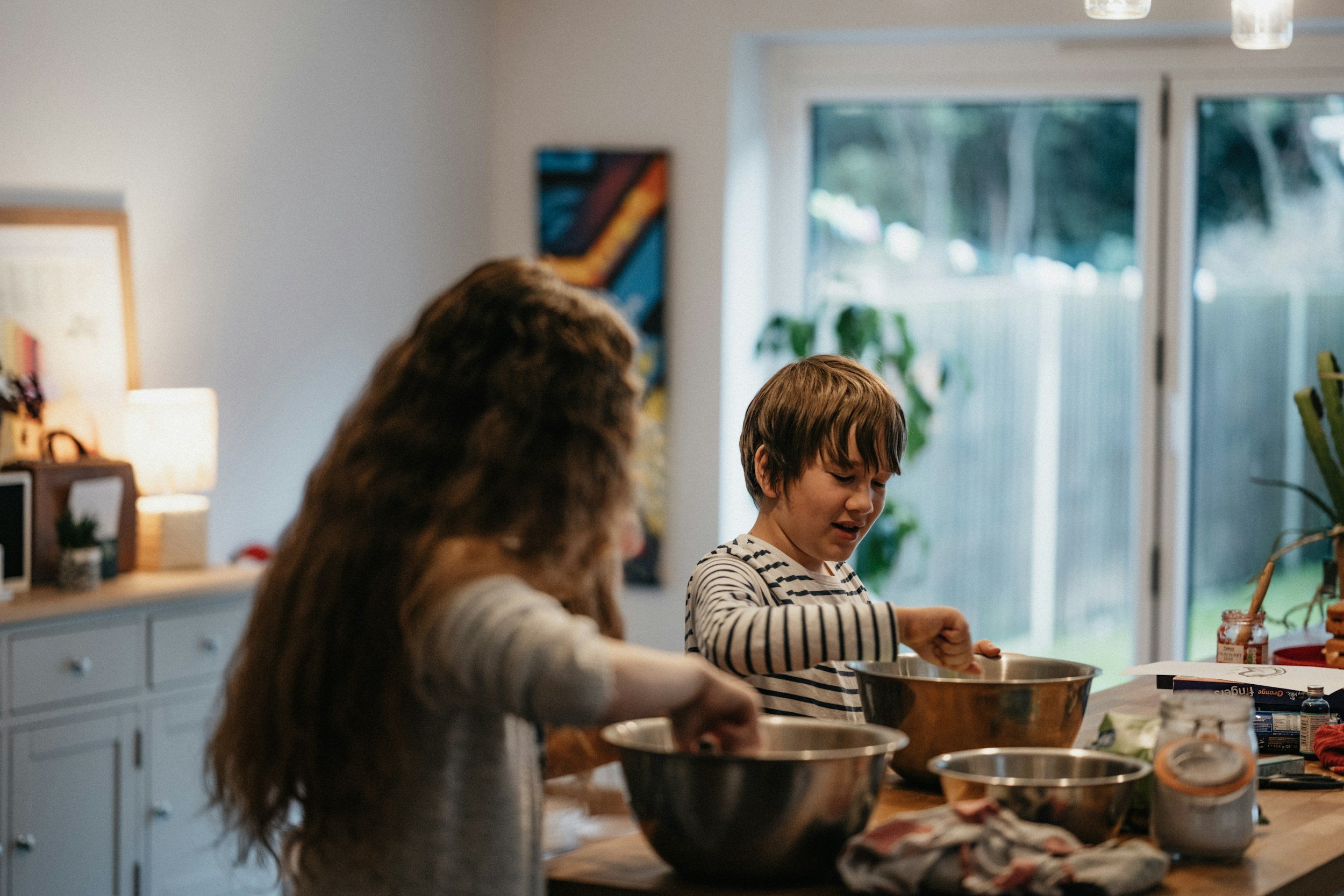
✓ Involve them in meal preparation so they can explore food safely.
✓ Put small bowls of new foods on the table so they can choose to look or touch if they want.
✓ Stay calm and positive if they try something new.
✓ Encourage eating together with family or friends.Try not to
✗ Prompt too much. This can make them less likely to try new foods.
✗ Pressurise them. This can increase anxiety.
✗ Bribe them. If they are scared, bribing will not help.
✗ Use food as a reward. Use stickers, fun activities or time together instead.
✗ Hide a new food in a favourite food. They may stop eating that favourite food in the future.
✗ Look anxious. Children can sense your feelings. If you look worried, they may feel worried too.Eating a varied diet is good for health, but many children find this hard. Some children eat only a few foods. Others may eat too much. This section explains common issues and ways you can help.
Research indicates that children who are anxious and sensory-sensitive are more likely to have issues with eating.
Children who feel anxious or have sensory sensitivities often find eating difficult. This is very common in neurodivergent children.
Some eating patterns you may see include:
only eating a few foods
not being able to eat at school
only eating when alone
going long periods without food
overeating
eating non-food items, known as pica
These behaviours can be hard to understand and manage. Parents and carers may feel worry, frustration, or even blame themselves. It can be stressful when a child struggles to eat a healthy, varied diet.
-
Families, friends and support staff need to work together. A shared approach helps make sure each child eats and drinks in a way that feels safe, comfortable and enjoyable for them. It also helps children get the nutrition they need.
Mealtimes can be a chance for social connection. Sitting with the child during meals and snacks can help. When appropriate, adults can eat the same foods and drinks to model eating skills. This can also support simple conversation and positive social time.
-
Try to:
Eat together at the same time every day.
Have a clear routine for meals and snacks. This helps stop children from eating small amounts throughout the day.
Keep mealtimes to no longer than 30 minutes.
Give a simple warning before eating, such as “We will eat in 5 minutes,” and use a visual timer.
Use communication tools, like visual timetables or “now and next” boards, to help prepare your child.
Sit at the table together. Make sure your child’s chair is comfortable.
Support your child’s feet. Their hips and knees should be at 90 degrees for good posture.
Avoid screens during meals where possible, such as TVs, tablets or phones.
Avoid food battles. Focus on enjoying time together.
Involve your child in preparing food. This helps them learn what food looks like before it reaches their plate.
Model the behaviour you want to see. Try new foods, use cutlery, eat a mix of foods and stop when you feel full.
Talk about the food. You can describe its colour, smell, shape and how it feels.
Place food on the table so everyone can serve themselves.
Encourage your child to help serve their own food and serve others, even if it is a food they do not eat.
Give your child a second plate next to their main plate. This can be a learning plate. They can place new foods on it, with no pressure to taste them. You can talk together about how the food looks, smells or feels.
Keep expectations low. Progress can be slow. Talk about how everyone in the family eats at different speeds and has their own likes and dislikes.
Have a simple clean‑up routine after meals. This helps your child understand that mealtime has a clear ending.