

Getting Started
Neurodiversity Hub Wirral
Getting Started
Motor planning, motor control, and motor coordination describe how a person’s brain and body work together to make movements. These movements range from a small finger wave to a complex series of actions. Each part—planning, control, and coordination—plays an important role and works with the others.
Gross Motor Skills
Gross motor skill development uses large muscles in the arms, legs, and torso. These skills help with everyday actions like walking, running, throwing, lifting, and kicking. Gross motor skills also support fine motor skills and relate to body awareness, reaction speed, balance, and strength.
Fine Motor Coordination
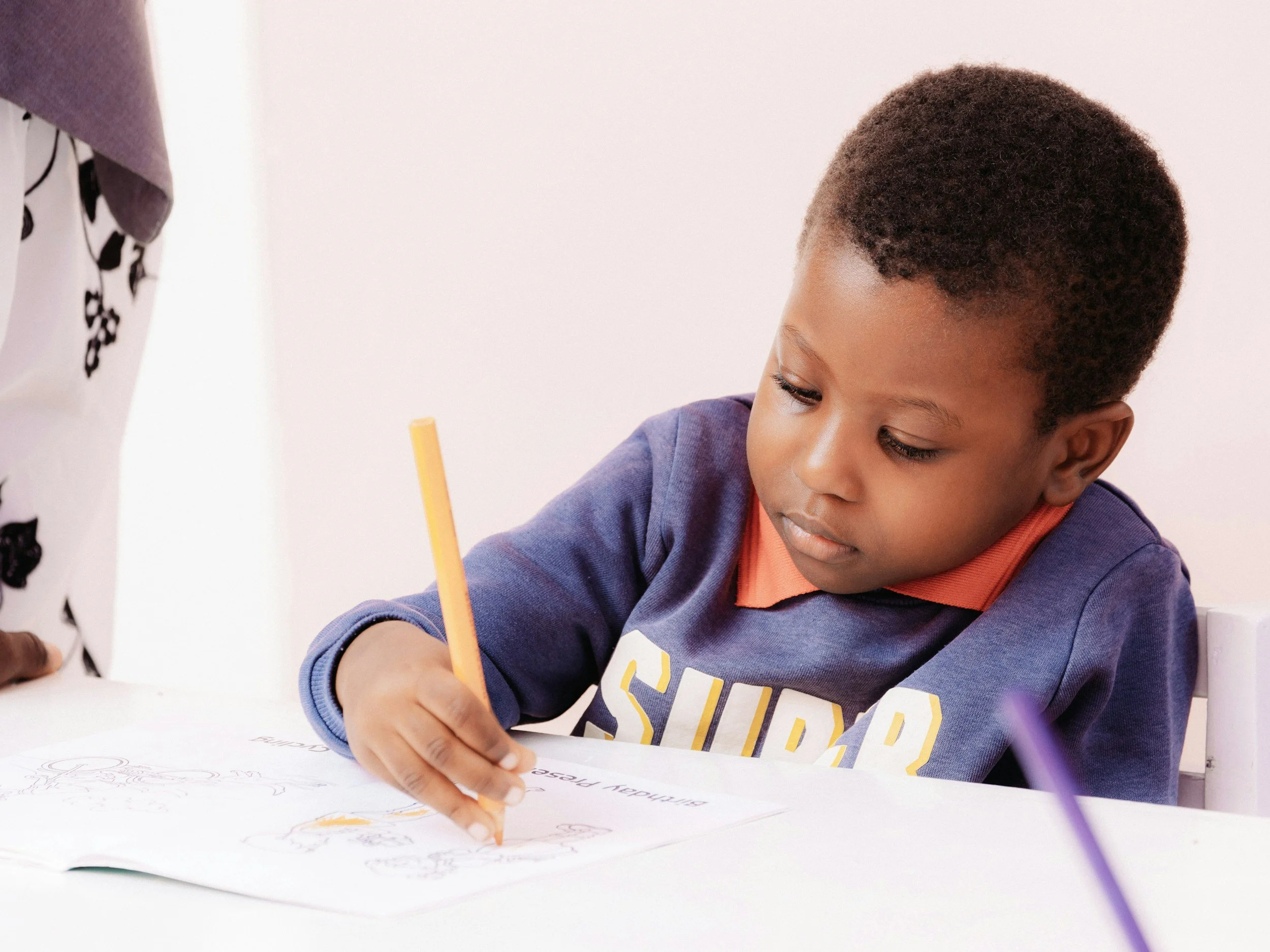
Fine motor coordination uses small muscles to complete tasks that need control and precision. These skills help with copying shapes and letters, colouring, cutting, buttoning or zipping clothes, and self-feeding. Children need these skills to plan and carry out age-appropriate activities.
Building Confidence Through Movement
Exploring different types of movement helps children build confidence, motivation, and physical ability. These skills support an active lifestyle.
Children and young people with motor skill challenges may take longer to learn self-care tasks. They might find it hard to tie shoelaces or ride a bike. These difficulties can also affect school performance. By spotting where a child struggles and helping them find strategies that work, adults can support their growth in confidence and independence
Tips for Supporting Motor Skill Development
Focus on one area at a time.
Set small, achievable goals.
Ask the child or young person what they want or need to do.
If helpful, teach a cognitive strategy like Goal, Plan, Do, Check. Use this for each step of a motor task.
Encourage regular physical activity that the child enjoys. This could include walking a dog, playing at a quiet park, doing child-friendly yoga, or joining a sport suited to their ability.
Use the MATCH Strategy
The MATCH strategy helps support children learning new skills. It works at home and in school.
MATCH stands for:
Modify the task
Change the size or weight of tools. Allow more time. Use technology, like typing instead of writing.
Alter your expectations
Focus on the goal. Can the child show their learning in a different way? For example, say answers out loud instead of writing them.
Teaching strategies
Break the task into steps. Teach one step at a time. Use questions like “What’s next?” or “Where do your feet go?” Encourage thinking and reflection.
Change the environment
Reduce light, noise, and clutter. Adjust table and chair height. Use writing slopes. Provide worksheets instead of copying from the board. Choose locker locations that are easy to reach. Use checklists, prompt cards, or sequence strips.
Help by understanding
Know the child’s strengths and challenges. Support them in finding strategies that work.
Source: CanChild MATCH Strategy
Available at: http://elearningcanchild.ca/dcd_workshop/match.html
See the next section for an example using the MATCH strategy to support dressing skills.
Quick Tips for Clothing and Equipment
Item
Look For
Avoid
Shoes
Slip-on or hook-and-loop fasteners (Velcro)
Laces and buckles
Trousers
Elastic waistbands, loose fit
Buttons, belts, hook-and-eye fasteners
Jackets & Coats
Large, sturdy zips; add zipper pulls
Poppers, buttons
Scarves
Neck tube or snood styles
Long scarves
Gloves/Mittens
Mittens or gloves that go over coat sleeves
Tight gloves that go under coat sleeves
Backpacks
Large enough for school items; sturdy zips with zipper pulls
Clips and buckles
Lunch Bags & Containers
Easy-to-open containers; flip-up straw bottles
Tight lids; cartons with plastic straws
Alt Text for Image References
If this content includes images, here are suggested alt texts:
Image of child tying shoelaces: “Child practicing tying shoelaces with adult support.”
Diagram of MATCH strategy: “Visual breakdown of the MATCH strategy steps: Modify, Alter, Teach, Change, Help.”
Photo of child-friendly lunch containers: “Lunch containers with easy-open lids and flip-up straw bottles.”