

Going To The Dentist
Neurodiversity Hub Wirral
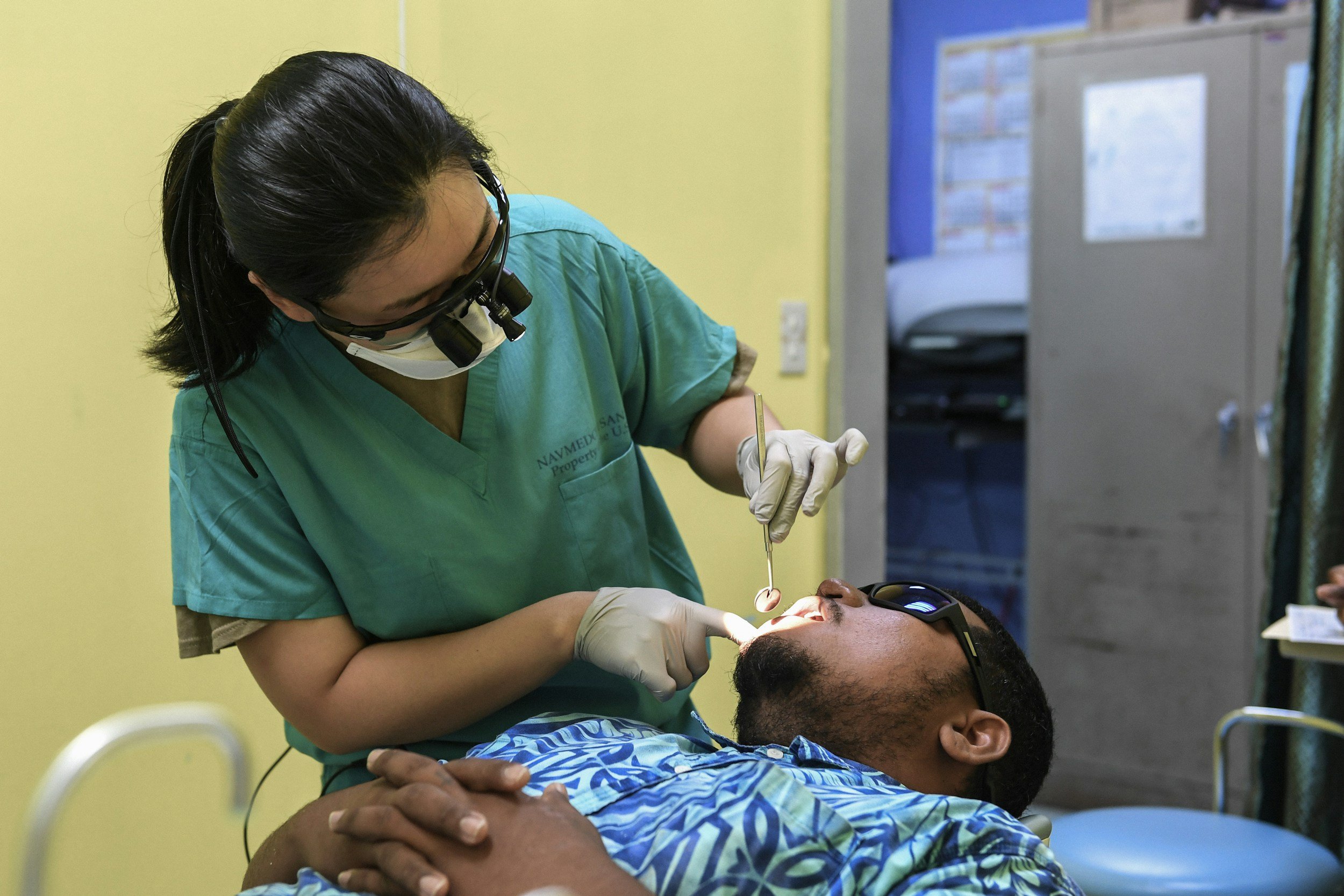
Going to see the dentist
NHS dental care for children is free. Take your child to the dentist when their first baby teeth appear. This helps them get used to the place and meet the dentist. The dentist can give you advice to stop tooth decay and can also spot any problems early.
Let your child practise opening their mouth for the dentist to look inside. This will help in future visits.
Try to stay positive when you talk about the dentist. Make the trip simple and fun to help your child feel calm and less worried next time.
Simple changes that can help
Dentists want every patient to feel safe and comfortable. You can ask for changes to help your child. For example, you can ask to stay close to them during the visit or request a toothpaste flavour your child prefers.
These small changes can make a big difference to their visit.
-
It is important to find a dentist who is a good match for your child. You can ask questions to help choose the right person.
Look for a dentist who is confident working with neurodivergent children and young people, including those who think, sense, or communicate differently.
Ask the dentist for examples of how they have supported neurodivergent patients. A dentist with experience will understand what helps visits go smoothly and how to help your child feel relaxed and safe.
-
Preparing for an appointment can help your child know what to expect and get used to what happens at a dental visit.
Here are some simple ways to prepare.
Show what the dentist is like
Stories and videos can help your child see what a dentist visit looks like. This can help them link the pictures to their own appointment.
Example: Peppa Pig – Goes to the Dentist
You can watch short videos or read books showing a child visiting the dentist.
A short practice visit
A short visit before the appointment can help your child get familiar with the place. They can see the bright lights, hear the sounds, and meet the dental team.
This early visit gives you time to discuss any reasonable adjustments your child may need.
Helpful tips during the visit
Book an appointment at a quieter time to keep the visit calmer.
Allow plenty of time to travel so no one feels rushed.
Tell the reception team about any health needs or medicines your child takes.
Ask if there is a quiet space to wait.
Agree a simple signal with your child, such as raising a hand if they need a break.
-
Sometimes dental sedation is needed. Sedation is medicine that helps a person feel calm and relaxed.
It can help when someone feels very anxious about the dentist or when a person’s health may be at risk and they cannot take part in the treatment.
Your dentist will explain how sedation works and whether it is the right option for your child.
-
Going to the dentist can feel overwhelming for many children, especially those with sensory processing difficulties. Bright lights, loud sounds, strong smells, and new tastes can increase anxiety.
As well as preparing with books or videos, distractions can help your child stay calm. If your child has a favourite toy or fidget item, they can bring it with them.
Some clinics have screens for watching a film or TV show. If not, you can bring a tablet or portable DVD player.
You might also use adjustments that help your child in other noisy or busy places, such as:
a small weighted lap blanket or shoulder wrap
noise‑cancelling headphones or calming music
favourite sunglasses to block bright lights
These small changes can make the visit feel safer and more comfortable.
-
Cavities are one of the most common dental problems for toddlers and children. A cavity (tooth decay) is a small hole in a tooth caused by damage.
Cavities happen when dental plaque builds up. Plaque is a sticky film that forms when bacteria mix with food, acids, and saliva.
If plaque is not cleaned off, it can damage the enamel — the hard outer layer of the tooth — leading to a cavity.
Daily brushing and flossing help stop plaque building up. Cavities often form when children do not brush well or often enough.
Signs your child may have a cavity
Tooth decay does not always hurt. Look for these signs:
dark spots on a tooth
white spots on a tooth
crying or fussiness
sensitivity to cold foods or drinks
swelling in the mouth
avoiding food
tiredness or low energy
If you think your child has a cavity, book a dentist appointment so they can check and suggest the right treatment.
How dentists treat cavities in children
A dental filling is a common treatment for children with cavities. Fillings can be placed on both baby and adult teeth.
During the procedure, the dentist removes the decay and fills the hole with white composite or metal material.
Saving baby teeth is important because they help children chew and speak and guide adult teeth into the right position. Losing a baby tooth too early can affect how adult teeth grow.
Dentists often fill cavities for very young children, sometimes as young as one or two years old.
-
Children who play sports have a higher risk of oral injuries such as broken teeth, fractured jaws, or cuts inside the mouth.
Wearing a mouth guard can greatly reduce this risk.
-
Many teenagers need orthodontic treatment. Orthodontics helps straighten teeth.
Braces are the most common treatment and are usually fitted between ages 10 and 15, but older teens and young adults can have them too.
Going To The Dentist
(Suggested heading: Going to see the dentist)
NHS dental care for children is free. Take your child to the dentist when their first baby teeth appear. This helps them get used to the place and meet the dentist. The dentist can give you advice to stop tooth decay. They can also spot any problems early.
Let your child practise opening their mouth for the dentist to look inside. This will help in future visits.
Try to stay positive when you talk about the dentist. Make the trip simple and fun. This can help your child feel calm and less worried next time.
Reasonable adjustments
(Suggested heading: Simple changes that can help)
Dentists want every patient to feel safe and comfortable. You can ask for changes to help your child. For example, you can ask if you can stay close to them during the visit. You can also ask if they can use a toothpaste with a flavour your child likes.
These small changes can make a big difference to their visit.
Finding the right dentist
(Suggested heading: Choosing a dentist who understands your child)
It is important to find a dentist who is a good match for your child. You can ask questions to help you choose the right person.
Look for a dentist who is confident working with children and young people who are neurodivergent. This includes children with different ways of thinking, sensing, or communicating.
Ask the dentist to share examples of times they have supported neurodivergent patients. A dentist with experience will understand what helps visits go smoothly. They will also know how to help your child feel relaxed and safe.
Preparing for the appointment
(Suggested heading: Getting ready for the dentist visit)
Preparing for an appointment can help your child know what to expect. It can also help them get used to what happens at a dental appointment.
Here are some simple ways to help your child get ready.
Find ways to visualise what happens at the dentist
(Suggested heading: Show what the dentist is like)
Stories and videos can help your child see what a dentist visit looks like. This can help them make a link between the pictures and their own appointment.
Example: Peppa Pig Goes to the Dentist
You can watch short videos or read books that show a child visiting the dentist.
Visit the dentist early
(Suggested heading: A short practice visit)
A short visit before the appointment can help your child get familiar with the place. They can see the bright lights and hear the sounds. They can also meet the dental team.
This early visit gives you time to talk about any reasonable adjustments you may need. Reasonable adjustments are small changes that help make the visit easier and more comfortable.
A few useful strategies while you’re at the dentist are:
(Suggested heading: Helpful tips during the visit)
Book the appointment for a time when the dentist is less busy. This can make the visit calmer.
Give yourself plenty of time to get there. Feeling rushed can increase stress.
Tell the reception team about any health needs or medicines your child takes.
You can also ask for a quiet space to wait in.
Your dentist can agree a simple signal with your child. For example, your child can raise their hand if they need a break or want help.
Dental Sedation
(Suggested heading: When sedation may help)
Sometimes, dental sedation is needed. Sedation is medicine that helps a person feel calm and relaxed.
It can help when someone feels very anxious about the dentist. It can also help when a person’s health may be at risk and they cannot take part in the treatment.
Your dentist will explain how sedation works and if it is the right choice for your child.
Overcoming Sensory Issues at the Dentist
(Suggested heading: Helping with sensory needs at the dentist)
Going to the dentist can feel overwhelming for many children. This can be even harder for children with sensory processing difficulties. Bright lights, loud sounds, strong smells, and new tastes can make them feel anxious.
As well as preparing your child with books or videos, distractions can help. A distraction gives your child something else to focus on, instead of what is happening inside their mouth.
If your child has a favourite toy or fidget item, they can bring it with them. This can help them feel calm and safe.
Another helpful distraction is a film or television show your child enjoys. Some dental clinics have screens. If they do not, you can bring a tablet or portable DVD player. Your child can watch the screen during the appointment. This helps them focus on something familiar instead of the sounds or feelings around their mouth.
You may also want to use adjustments that help your child in other busy or noisy places. These can include:
a small weighted lap blanket, or one placed around their shoulders
noise‑cancelling headphones or earbuds with calming music
a pair of favourite sunglasses to block bright lights
These small changes can help the visit feel safer and more comfortable.
Cavities and fillings
(Suggested heading: Understanding cavities and how they form)
Cavities are one of the most common dental problems for toddlers and children. A cavity is also called tooth decay. It is a small hole in a tooth where the tooth has been damaged.
Cavities happen when dental plaque builds up. Plaque is a sticky film that forms on teeth. It forms when bacteria in the mouth mixes with food, acid, and saliva.
If plaque is not cleaned off, it can damage the tooth enamel. Enamel is the hard outer layer of the tooth. Over time, this damage can cause a hole in the tooth, called a cavity.
Brushing and flossing every day can help stop plaque from building up. Cavities often form when children do not brush their teeth well or often enough.
Tooth decay doesn’t always cause pain, so recognising a cavity in your child can be difficult. Signs that indicate a possible cavity include:
(Suggested heading: Signs your child may have a cavity)
Tooth decay does not always hurt. This means it can be hard to spot a cavity. Look for these signs:
dark spots on a tooth
white spots on a tooth
crying or fussiness
sensitivity to cold foods or drinks
swelling in the mouth
avoiding food
feeling tired or lacking energy
If you think your child has a cavity, book a dentist appointment. The dentist can check your child’s teeth and suggest the right treatment based on how much decay there is.
How are cavities in children treated?
(Suggested heading: How dentists treat cavities in children)
A dental filling is a common treatment for children and toddlers who have cavities. Dentists can place fillings on baby teeth and on adult teeth.
During the filling, the dentist removes the decay. They then fill the hole with a white composite material or a metal material. Filling a cavity in a baby tooth can help save the tooth.
Saving a baby tooth is important. Baby teeth help children chew and speak. They also guide the adult teeth into the right place. If a baby tooth is lost too early, the adult tooth may not grow in straight.
Dentists often do fillings for very young children, sometimes as young as 1 or 2 years old.
Oral Injuries
(Suggested heading: Protecting your child’s mouth during sports)
Children who play sports have a higher risk of oral injuries. These injuries can include broken jaws, broken teeth, and cuts to the soft parts of the mouth.
A mouth guard can greatly lower this risk. Make sure your child wears a mouth guard during sports.
Orthodontics
(Suggested heading: Braces and straightening teeth)
Many teenagers need orthodontic treatment. Orthodontics is the dental care that helps straighten teeth.
Braces are the most common orthodontic treatment. They help fix teeth that do not line up well. An orthodontist usually places braces when a child or teenager is between 10 and 15 years old. Older teenagers and young adults can also have braces if needed.
Smile:Together CIC (Community Interest Company)
(Suggested heading: About Smile:Together Community Interest Company)
Specialist Dental Services
(Suggested heading: Who the specialist dental team can help)
Smile Together runs a Special Care Dentistry Referral Service in Cornwall. This service is for people who cannot have their dental care met by other National Health Service (NHS) dentists. This may be because of medical needs, physical needs, or behavioural needs.
Some people referred to Special Care Dentistry only need the team for part of their treatment. They may still be able to have routine care with their usual dentist. Routine care includes:
check‑ups
oral health assessments
preventive care, like fluoride varnish or advice on brushing
The person who refers your child — usually your General Dental Practitioner (GDP) — should continue to provide this routine care.
All patients who use the Special Care Dentistry service must stay registered with their General Dental Practitioner. Most patients will return to their General Dental Practitioner after their treatment with the specialist team is finished.
Some patients may only need an assessment with the specialist team. After this, they will return to their General Dental Practitioner with a treatment plan to follow.
A small number of patients may stay with the specialist service for long‑term care if their needs mean this is the safest and most suitable option.
