

Help At Home
Neurodiversity Hub Wirral
There are many ways to help a child or young p[erson who is impulsive or has poor attention. There are lots of things you can do. Some may seem silly. It may feel they aren’t working. Stick with it. It takes children 2-3 weeks to learn new habits or rules. If they have SEND it can take longer. Keep on going.
Supporting Children Who Struggle with Attention

Get Active
Help boost their energy and focus with short activities like:
Jogging in place
Laughing
Deep breathing
Sucking on a mint
Dancing to loud music
Remove or Silence Distractions
Turn off music and remove items that distract—like toys that move, chime, sparkle, or smell strong—from their homework space.
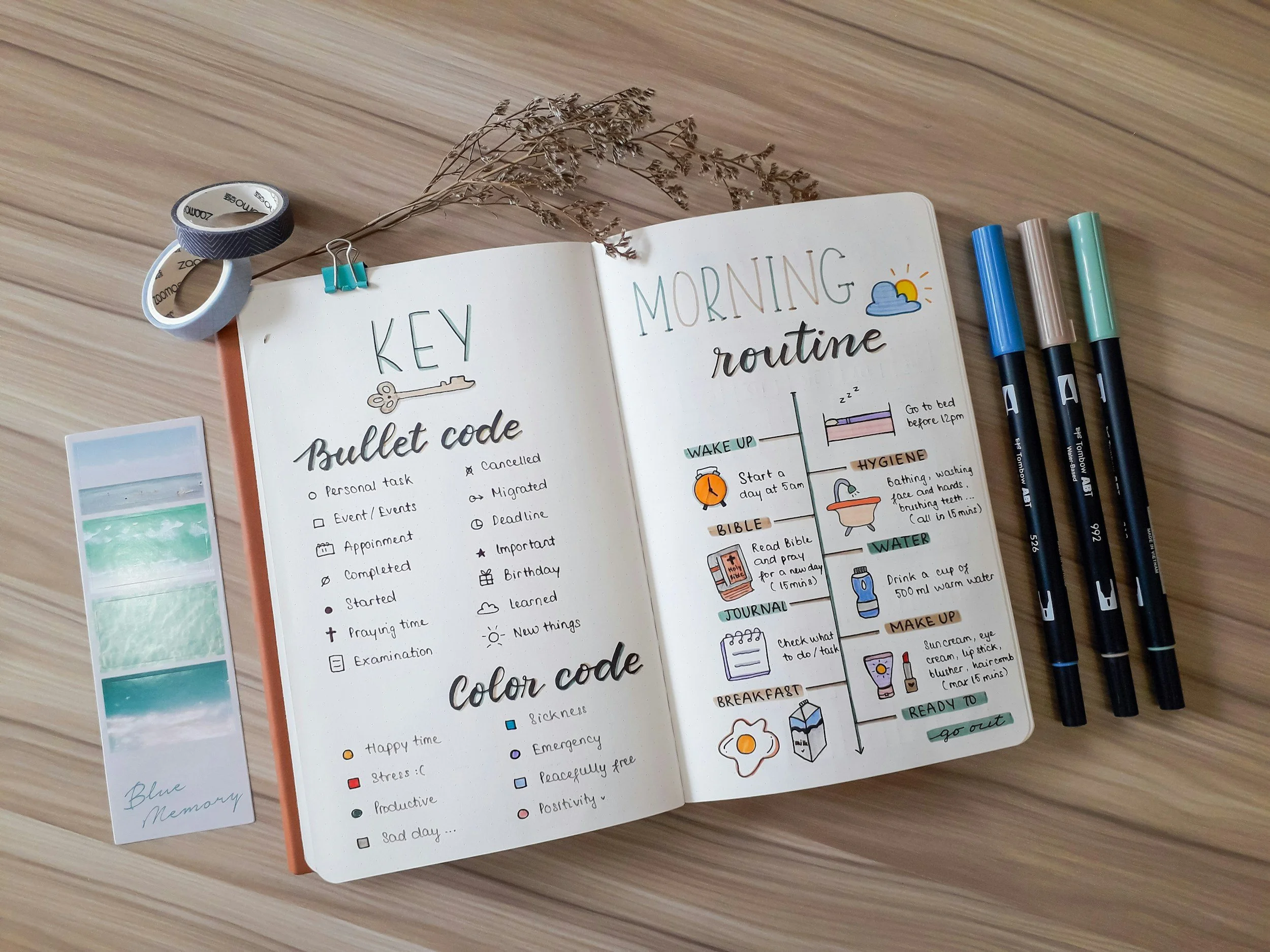
Build Habits and Routines
Doing the same task the same way each day helps children remember what to do. For example:
Pack lunch before school at the same time each morning
Put the house key in the backpack right after getting home
Repeating these actions daily helps form habits and reduces forgetfulness.
Supporting Children Who Struggle with Impulsivity
Use Clear Rules and Boundaries
Post simple rules at home so children know what is expected. Examples:
“Do not run in the house”
“Brush your teeth before bed”
“Speak kindly to others”
-
Have calming tools ready, like:
A favourite toy
A fidget item
A book
In places like supermarkets, give them a special job—like choosing dinner items or taking things off shelves.
-
Give a five-minute and two-minute warning before switching activities. This helps children adjust and avoid emotional outbursts.
-
Show children what their day looks like. Talk about changes ahead of time. Let them tick off tasks as they finish them.
-
Younger children may respond well to earning stickers or coins for good behaviour. They can trade these for a prize at the end of the week.
-
Notice and praise good behaviour right away. Be specific: “You waited your turn—great job!”
Helping Children Understand Expectations
Impulsive children may not know what “be good” means. Be clear and specific:
“In the shop, look with your eyes, not your hands.”
“At the playground, wait in line for the slide. If it’s hard to wait, tell me and we’ll find something else to play on.”
What Other Parents Say
Here are some strategies shared by other caregivers:
Adrienne: “I face my child, look into their eyes, place my hands on their shoulders, and talk about the consequences of their actions.”
Helen: “I ask my child to stop and take deep breaths with me. This helps them reset and calm down.”
Christine: “I explain that every action has consequences. They can choose actions that lead to good outcomes.”
Brenda: “I hold up my hand like a stop sign. It’s a cue for both of us to pause and think.”
Cassie: “I say, ‘Stop, look at me, and listen.’ I use their full name so they know it’s serious.”
Cecilia: “I try to predict what might happen and warn my child ahead of time.”
Dee: “I use empathy. I say, ‘Remember how you felt when…’ to help them reflect.”