

Help At School
Attention and Impulse Control - Neurodiversity Hub Wirral
How Can We Help Children Who Struggle with Attention?
-
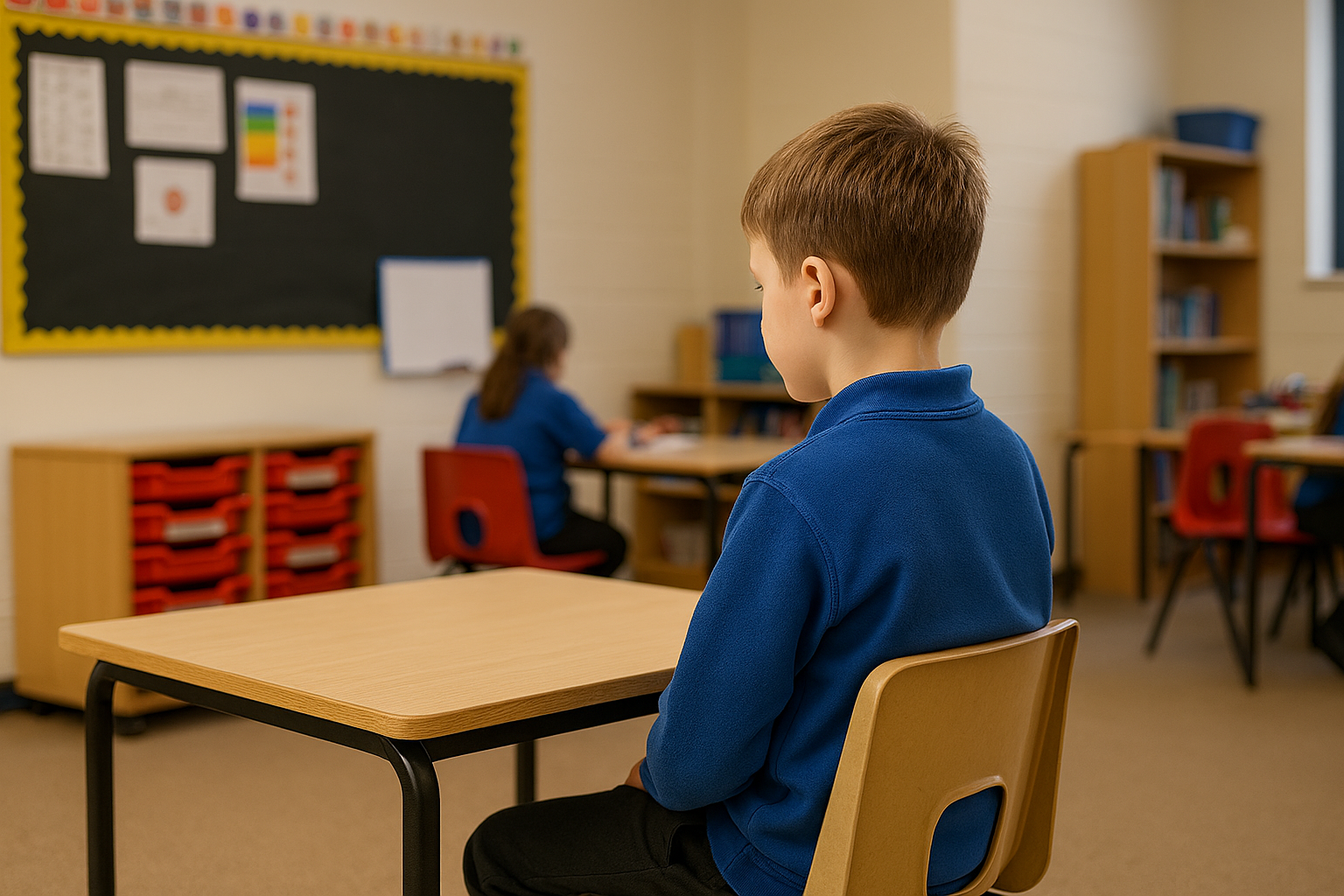
Place the child’s desk away from busy areas in the classroom. Keep aquariums, pets, or other distractions behind the child, not in their line of sight.
-
Stand close to the child when giving important instructions. You may gently touch their shoulder to get their attention. Make sure they are listening before you speak.
Children may seem like they are listening, but they could be distracted by their thoughts, noise, or worries. They may fear getting into trouble. This can make them appear engaged when they are not.
-
Instead of asking, “Do you understand?” teach children to repeat what they heard. They can say, “You want me to…” or “You’re saying that…” This helps confirm understanding and builds strong communication skills.
-
Gently remind the child to return to the task. Use your voice, presence, or a light touch to help them refocus.
-
Help the child notice when they drift off. Let them know this is not a bad thing—it shows creativity. But learning to notice it helps them stay on task.
-
Encourage the child to write down distracting thoughts. This helps them let go of the thought and return to their work more quickly.
How Can We Help Children Who Struggle with Impulsivity?
Rules and Boundaries
Post clear rules so children know what is expected. Examples include:
“Do not run in the house”
“Brush your teeth before bed”
“Speak kindly to others”
Plan for Impulsive Reactions
Have calming tools ready, like a favourite toy, fidget item, or book. In places like supermarkets, give the child a special job—like choosing dinner items or taking things off shelves.
Use a Point System
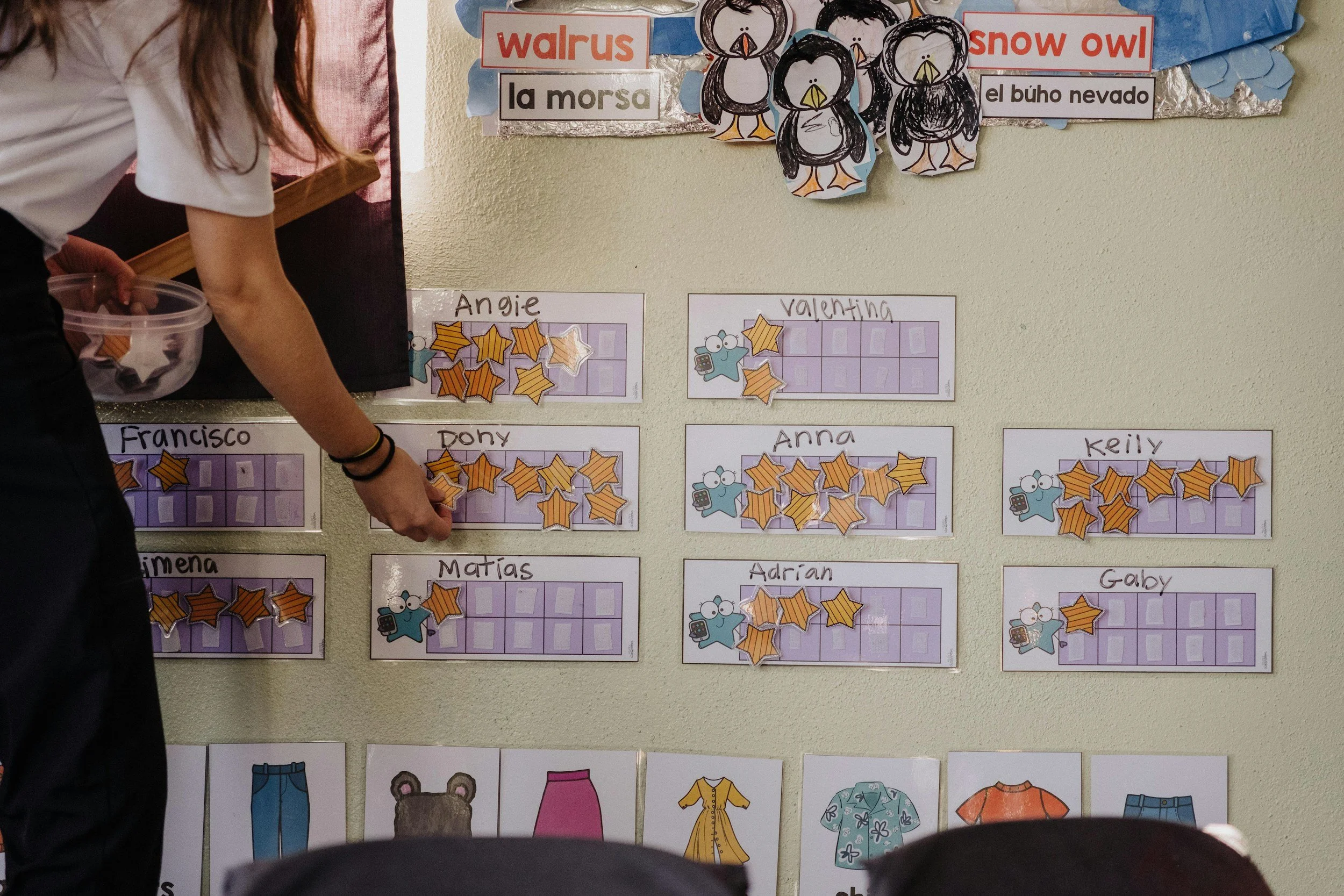
Younger children may respond well to earning stickers or coins for good behaviour. They can trade these for a prize at the end of the week.
Give Positive Feedback
Notice and praise good behaviour right away. Be specific: “You waited your turn—great job!”
-
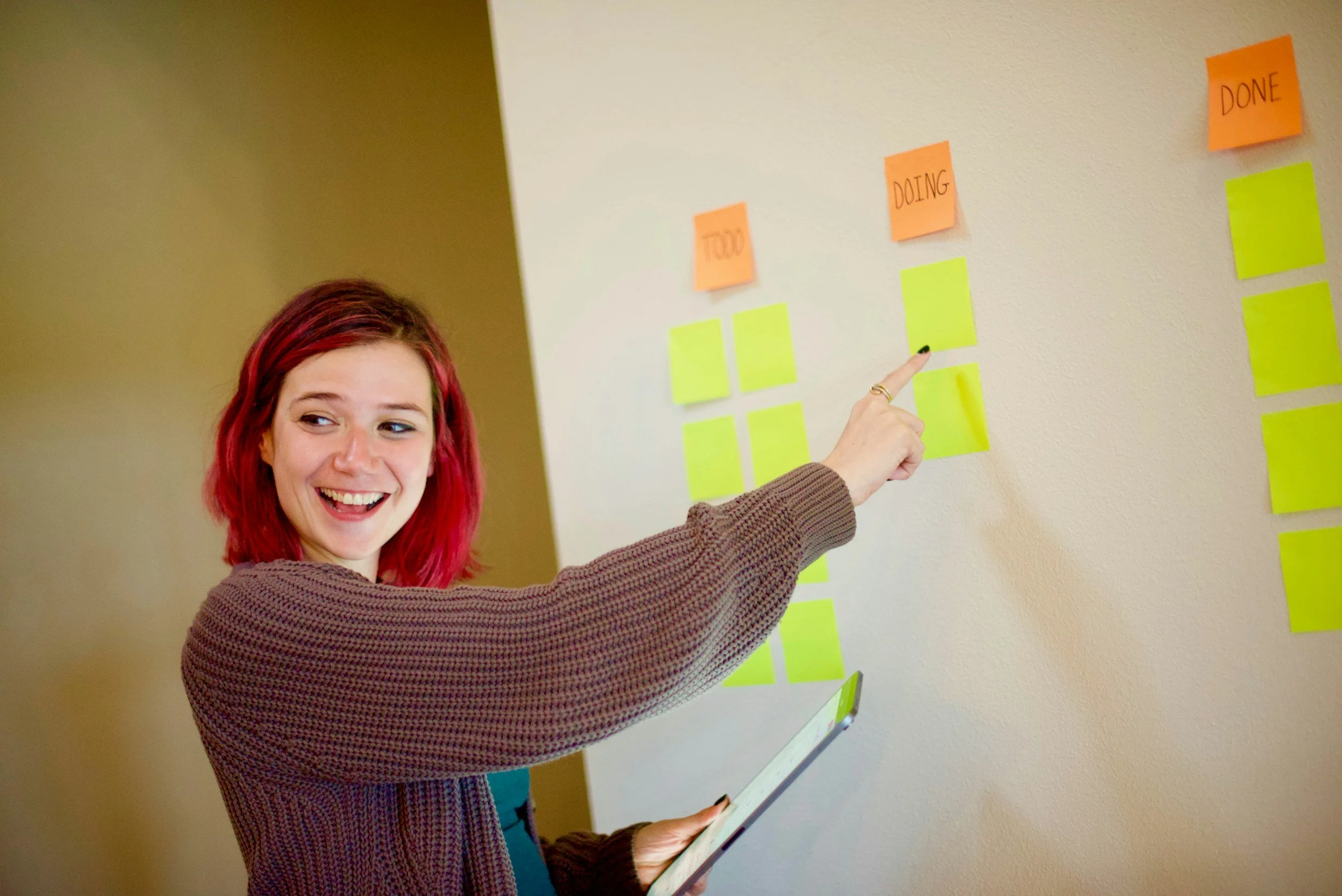
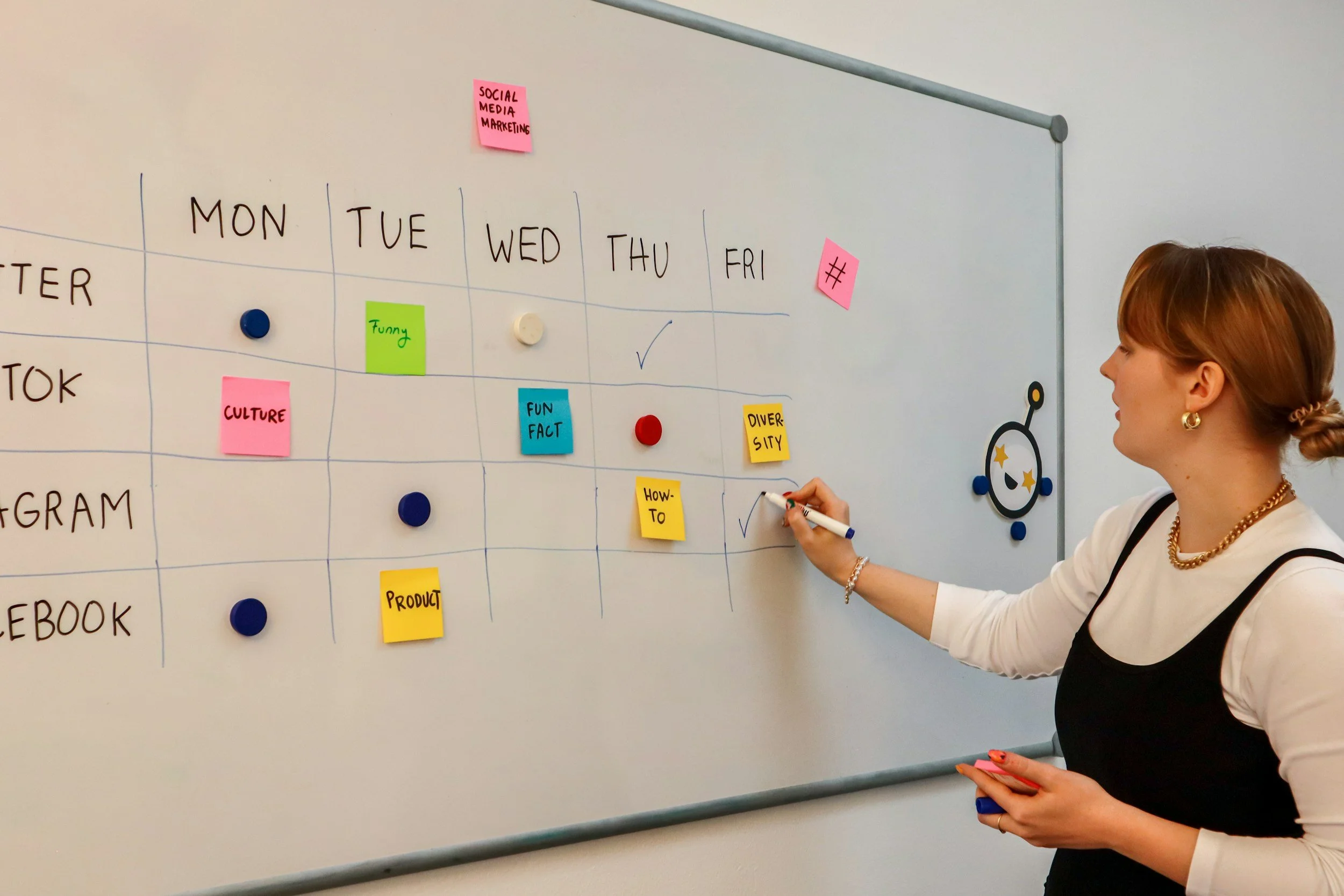
Display a daily schedule. Talk about changes ahead of time. Let children tick off tasks as they complete them.
-
Give warnings before switching activities. A five-minute and two-minute warning helps children adjust and avoid emotional outbursts.
-
Have calming tools ready, like a favourite toy, fidget item, or book. In places like supermarkets, give the child a special job—like choosing dinner items or taking things off shelves.
-
Younger children may respond well to earning stickers or coins for good behaviour. They can trade these for a prize at the end of the week.
-
Notice and praise good behaviour right away. Be specific: “You waited your turn—great job!”
More Ideas to Help Children Focus
Some children struggle to stay focused due to anxiety, frustration, or sensory issues. Watch their behaviour to find helpful solutions
Learning Strategies
Use a gentle tone of voice. Loud voices may cause anxiety. A sing-song tone may help keep them engaged.
Start lessons with movement or brain gym activities.
Keep lessons short. Break tasks into small steps and present them one at a time.
Use simple language. Say “Do this” before showing a demonstration.
Know the child’s learning style. Use modelling and visual demonstrations.
Use visual aids like timetables and “now/next” cards.
Use gentle timing prompts. Some children prefer sand timers or reminders to check the clock.
Say the child’s name before giving instructions. Wait up to 7 seconds for a response.
Encourage finishing one task before starting another.
Give praise and rewards after each step. Make sure rewards are fair, clear, and achievable.
Use cues like hand gestures, coloured cards, or a traffic light system to help them refocus.
Set clear rules and routines. Use social stories to explain expectations.
Offer tools like a “time out card” or “toilet pass” to help children ask for breaks.
Use an “emotions book” to help children share how they feel.
For children who chew on things, offer alternatives like cold water through a straw or Chewellery (chewable jewellery).
Helping with Transitions
Some children struggle with loud noises like school bells. Give warnings before the bell rings.
Transitions between outdoor and indoor spaces, or busy areas like cloakrooms, can be hard. Let the child enter first to avoid distractions. Move their peg to the end of the cloakroom or let them organise themselves in the classroom.
The Classroom
-
Classrooms can be full of sensory input. To help children focus, try these ideas:
Lower noise levels. Turn off buzzing lights or fans. Close windows or doors to block outside sounds. Use rugs to soften noise.
Limit bright or flickering lights. Fluorescent lights can cause glare and noise. Natural light is often better. Turning off lights may help some children settle.
Reduce clutter. Keep walls near the board clear of posters or decorations.
Watch for strong smells. Food smells or shoe storage can be overwhelming. Open a window before lessons to freshen the air.
Some children benefit from using a personal music player with soft, instrumental music to block out background noise.
In open-plan classrooms, outside noise can be distracting. If needed, take children to a quiet room with a door to help them focus.
-
Limit personal items brought to school.
Use labelled containers or folders for storing belongings.
Set a daily time to organise items and teach strategies for staying organised.
Use colour-coded labels for books and folders.
Create a picture list of daily activities.
Add a checklist inside workbooks (e.g., underline headings, write name and date, check spelling).
-
Create zones using bookshelves or partitions to reduce noise and give quiet spaces.
Keep workstations tidy and uncluttered. Use privacy boards if needed.
Arrange desks to avoid bumping or distractions from movement.
Seat children away from windows and doors to reduce outside stimulation.
Place children near peers who stay focused and calm.
Use visual cues for floor seating, like a cushion or spot marker.
In group activities, seat children in a semicircle. Place the child across from you to maintain eye contact, ideally with their back to the wall
Support for Written Work
Make sure children sit properly: feet flat, bottom back in seat, and table at the right height.
Use different seating options if needed, like cushions or chairs with movement support.
The Importance of Movement
Movement breaks help children who struggle to concentrate. Use them regularly and in structured ways. For example, after finishing three sums or sentences, offer a short movement break.
You can also give children jobs like handing out books or delivering messages.
Whole-class movement breaks between tasks can include:
Walking on tiptoes
Walking on heels
Wall push-ups
Desk push-ups
Chair push-ups
Hand presses
Let children use small fidget items like a rubber or pencil topper. Air-filled wedge cushions can help children move slightly while seated, which may improve focus.