

Interoception
Neurodiversity Hub Wirral
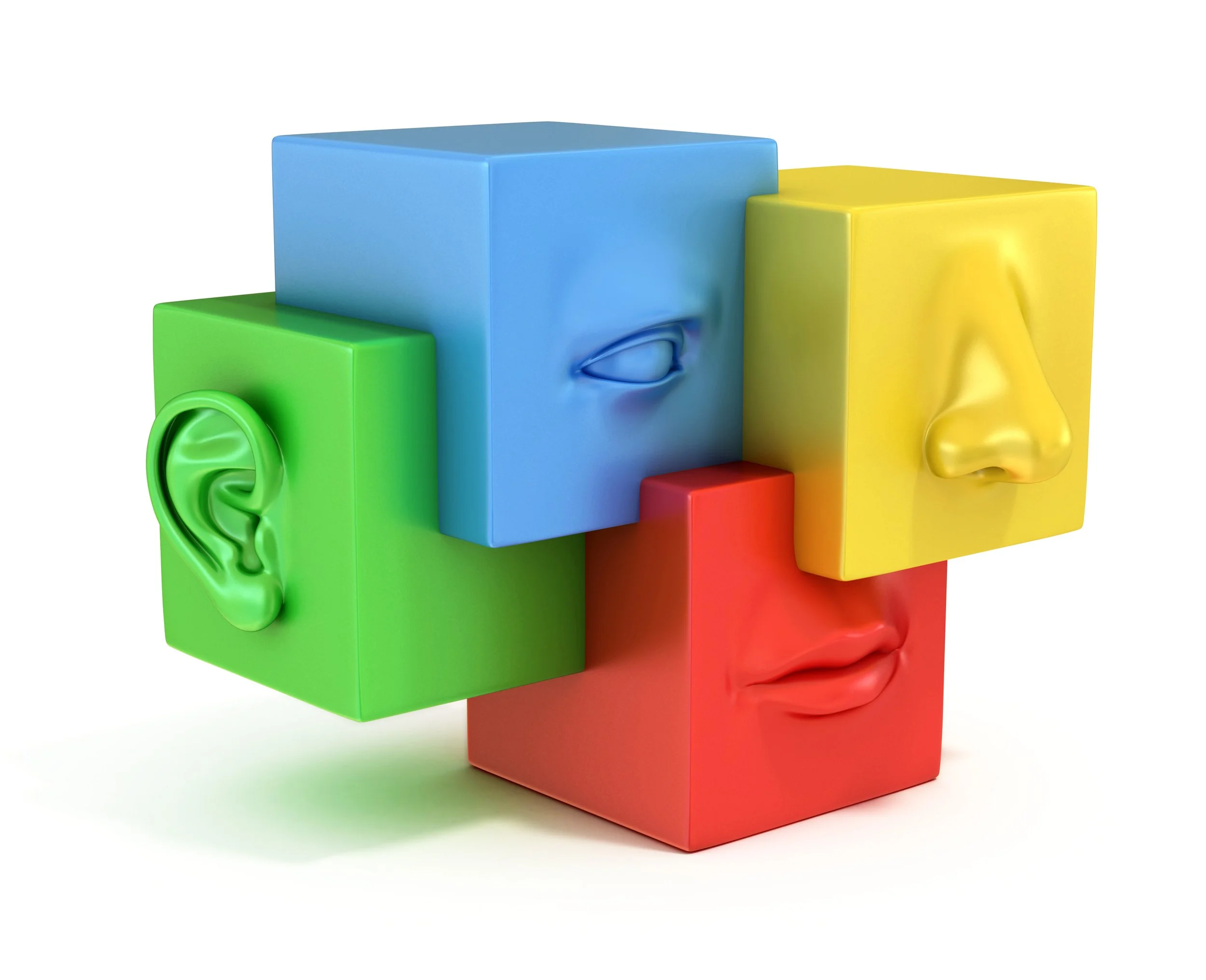
Interoception
Interoception is our eighth sense. It helps us notice and understand signals from inside our bodies.
These signals come from our internal organs and include:
Hunger
Digestion (tummy sensations)
Heart rate
Breathing
Feeling the bladder is full
Knowing when we need to poo
Just like children learn to understand sounds and speech, they also learn to notice and understand body signals. But every child is different. Some find it easier than others.
How Children Experience Body Signals
Children may experience body signals in different ways:
Too small: They don’t notice the signals much at first and only slowly learn what they mean.
Too big: They feel the signals strongly and may find them uncomfortable or upsetting.
Distorted: They notice the signals but can’t tell exactly where or what the feeling is
How Interoception Works
Our internal organs and muscles have sensory receptors. These receptors send signals through nerves to the brain. The brain connects these signals with memory and knowledge to make sense of them.
This helps us know when we are:
Tired
Excited
Hungry
Needing the toilet
The brain then decides what to do and helps the body respond.
Emotions and Interoception
Emotions like anxiety and excitement affect how our internal organs work. For example:
Anxiety can cause a fast heartbeat and shallow breathing
It can also affect digestion
These body reactions help us notice and understand emotions like tension or relaxation. But they can also be confusing or worrying, especially if they affect bladder or bowel control.
There is growing research on how body signals, emotions, and learning are connected in children.
Toilet Training and Interoception
Understanding internal sensations is important for toilet training. Some children need tailored support to help them notice and respond to these signals.
Autistic Children and Interoception
Autistic children may have more difficulty noticing and understanding body signals. It can take longer for them to make sense of what they feel.
This is not laziness or lack of cooperation—it’s a sensory difference.
How to Help Children Understand Their Body Signals
Talk about feelings: Help children name and describe how their body feels.
Use visuals: Videos, pictures, and stories can explain how the body works.
Teach the difference: Help children understand normal bowel activity vs. discomfort or pain.
Explore intensity: Use hands to show size of pain, or rate it from 1 to 10 (e.g. “a bit,” “a lot,” “huge”).
If a Child Struggles to Notice Body Signals
Link body feelings to routines (e.g. “We sit on the toilet before football.”)
Use reminders like picture cues, alarms, or vibrating watches
Reward effort, not just success
Supporting Older Children and Teenagers
Body awareness can be tricky for older CYP. It’s never too late to help them tune into their body signals.
Ways to help:
Talk regularly about how their body feels
Use a “be a scientist” approach—track toilet habits and sensations
Use timers, visual cues, and reminders linked to daily routines
As CYP grow older, social and school demands increase. This can make it harder to notice body signals. Anxiety can also increase internal sensations, which may lead to:
Holding in wee or poo
Going to the toilet more often
Understanding this can help find solutions.
Interoception and Focus
Research shows that CYP may not notice body signals as much when they are focused on activities—like playing video games. Internal sensations are often more subtle than other sensory inputs and can be harder to detect.