

Masking
Neurodiversity Hub Wirral
What masking means
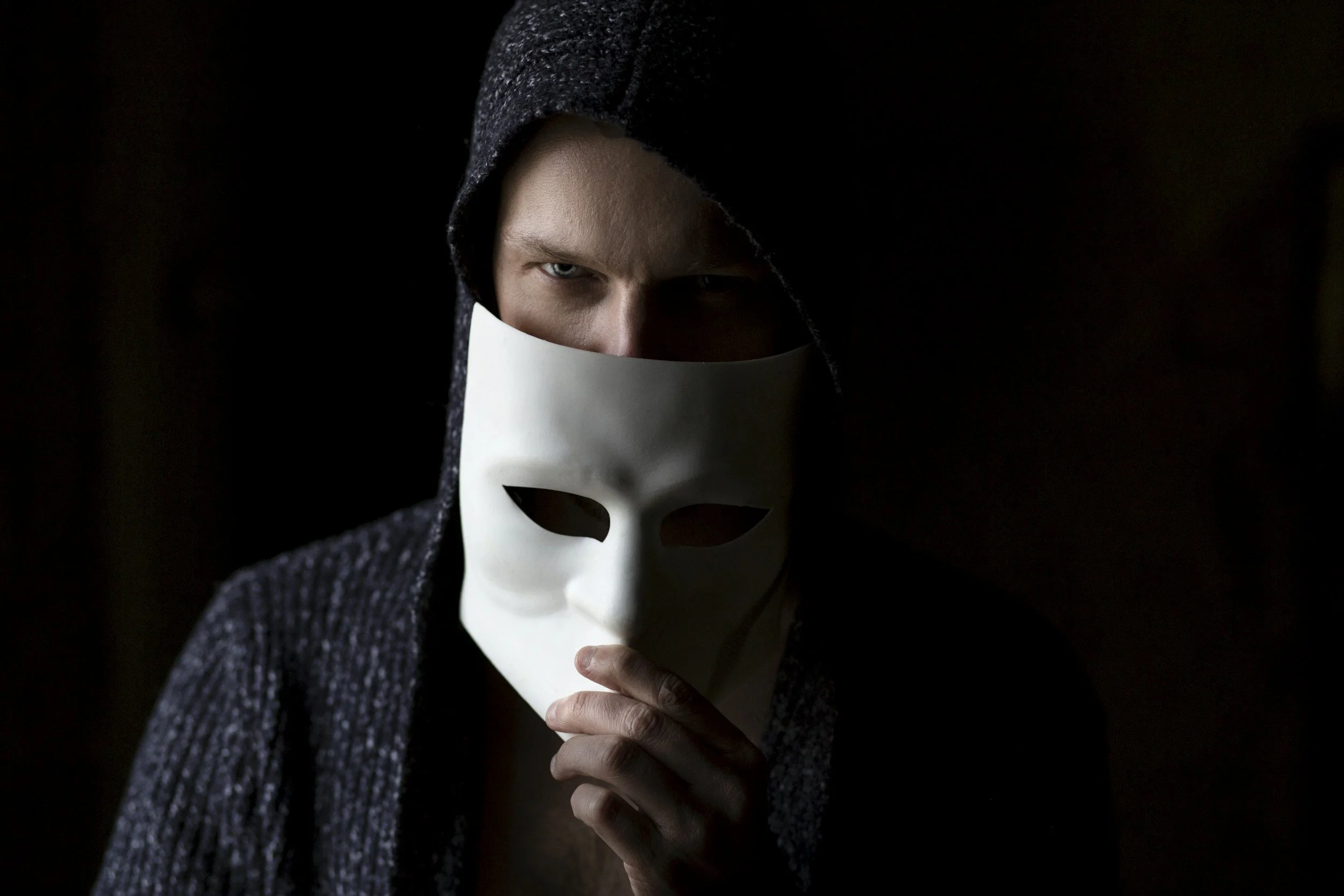
Masking, also called camouflaging, means hiding parts of yourself to blend in with others. Everyone masks sometimes — it’s something humans learn as we grow up.
For autistic people, masking can be stronger and harder to stop. It can cause stress and affect health and well‑being.
This definition comes from the National Autistic Society.
-
Choose one or more places or people where you feel you can act naturally. Many people also find online groups helpful, especially groups for neurodiverse people. These groups can be good spaces to share experiences and ideas. Remember to stay safe online — Childline has useful guidance.
Understand that masking can be a trauma response
Masking often happens because someone is trying to stay safe. It is usually not a choice. Many people do not realise when they are masking. Other times, a person might change their behaviour on purpose. It helps when parents, carers, and professionals understand this.
Masking takes a lot of energy
If you or your child need to mask to feel safe, plan rest time afterwards. Choose activities that make you feel calm, safe, or happy. Rest helps rebuild energy.
Masking is not the same as fitting in
Everyone changes their behaviour slightly in different settings. Masking goes much further — it is when someone feels their natural way of being is not accepted, and they must change themselves completely to fit in.
Masking often means hiding natural behaviours
This can include trying not to:
stim
rock
pace
avoid sensory overload
Someone might also push themselves to go to places that hurt their senses, like loud parties or crowded rooms.
Masking is not linked to one gender
Masking is sometimes wrongly thought to be something only neurodiverse girls or women do. In reality, people of all genders mask. Differences between genders are often linked to stereotypes and expectations — not neurodiversity.
-
Take time to learn what makes you happy. After years of masking, unmasking can feel strange. Ask trusted people — family, friends, or professionals — to help you explore this. Neurodiverse people can be especially supportive because they understand masking.
Find places where you feel safe to unmask. For some, this might be clubs such as dance, drama, or sports. For others, it may be an online neurodiverse community. Some young people feel safest alone in a quiet space.
Think about what helps you feel safe. Create a real or digital “toolkit” with things that calm you, help you cope, or help ground you.
Find a trusted adult in school or college to talk to. You can speak in person or write things down if that feels easier. Many staff don’t realise a child is struggling if they “seem fine”. If your school has an Autism Champion, they may be a good person to approach — even without a diagnosis.
Keep a journal. Write down situations when you mask and how it makes you feel. Practise unmasking in safe places and make notes about what happened. Most fears — like being judged or embarrassing yourself — don’t actually happen.
-
Provide sensory‑friendly spaces for overwhelmed students. These spaces must never be used as punishment.
Work closely with parents and carers to understand differences between home and school behaviour. For example, the “coke bottle effect” — when a child holds in stress all day and releases it at home.
Help young people rate their day using red, amber, green (RAG). This can include lessons, corridors, breaktimes, and journeys. If something is rated red, the school should explore changes such as:
moving seats
leaving class early
offering rest breaks
using sensory tools (e.g., noise‑reducing earbuds)
providing quiet eating spaces
Avoid goals in EHC plans, IEPs, or behaviour plans that encourage masking. A neurodiverse adult or Autism Champion can check goals to ensure they do not expect a neurodiverse student to behave like a neurotypical one in ways that are distressing.
Allow neurodiverse students free time to follow their interests.
Remove barriers to comfort, such as making reasonable uniform adjustments — soft fabrics, leggings instead of tights, or polo shirts instead of formal shirts.
Support students who need more time to process information by:
giving written instructions
using visuals or videos
reducing workload
giving less verbal information
-
Many neurodivergent people mask to fit in or feel safe. Masking constantly can harm mental health. These ideas may help someone unmask when they feel safe.
Spotting When Someone Is Struggling
Listen to the neurodivergent person. Ask what they find hard and when things feel too much. Feeling heard builds safety and trust.
Even if you know them well, you may miss signs — but you will usually notice more than people outside the family.
Let them know it’s okay to feel overwhelmed. Make it clear they can leave, take breaks, or change the environment.
In louder, busier places — like shops or parties — using codewords can help. Agree on a word or phrase that means “I need help” or “I need to leave”. Responding quickly builds trust and reduces the need for masking.
-
Every family is different, but good communication matters — and it doesn’t have to be verbal. Behaviour changes can communicate just as much as words.
Try to create a home where your neurodivergent family member knows:
they are valued
they are accepted as they are
being autistic is not a bad thing
they can be proud of their strengths
they will be supported with their challenges
A home like this becomes a safe, accepting base where the difficult parts of the outside world don’t apply.
Having a safe base makes the outside world easier to cope with. Knowing they can come home and be themselves reduces stress. Talking openly about behaviour, feelings, and confusion also helps build social understanding and skills they can use in other settings.