

More Information
Neurodiversity Hub Wirral

More Information
Masking is not only about wanting to fit in. It is not the same as the small changes people make in different places or with different groups. Masking goes further. It is when a person feels their natural way of being is not accepted. They may feel they must change many parts of themselves to be liked or included.
Masking often includes trying to stop or hide natural body actions. These can include stimming. Stimming means making repeated movements or sounds, such as rocking or pacing. Masking can also mean pushing through hard sensory experiences. For example, going to a loud party even when the noise or closeness of others causes pain.
Masking is often wrongly linked only to neurodivergent females. People of all genders can mask. Any differences between gender groups are likely caused by gender stereotypes and social expectations.
-
The possible repercussions of masking
A child who masks all day may hold in their feelings until they get home. Home feels safe. Parents and carers are trusted people. When the child gets home, the pressure of holding everything in may release.
As the child tries to sort through the events and feelings of the day, they may show strong emotions. These can include anger, aggression, frustration, crying, panic, or what some people call “meltdowns” or “burnout.” They may also choose to be alone in their bedroom.
A neurodivergent meltdown is when too many sensory or emotional demands cause distress. Some people prefer the word dysregulation instead of meltdown. Dysregulation means the person cannot control their emotions or responses in that moment. Support from trusted people can help. Online communities can also help. Taking breaks, focusing on positive feelings, and using good mental health habits can support recovery.
A neurodivergent shutdown is a quieter response to extreme stress. In a shutdown, a person may:
become silent
be unable to speak or communicate
move away to a quiet, dark place
feel unable to move because of stress
lie still on a flat surface
Shutdowns can happen for many reasons. A person may be in a loud or crowded space. They may be doing a task that feels too hard. A shutdown can also happen after many days or weeks of stress building up. Shutdowns have two main purposes. One is to show that the person is overwhelmed. The other is to help the person calm their mind and body. Sometimes a shutdown happens after a meltdown as the person tries to return to a steady state.
-
Time to recover
Like meltdowns, shutdowns end when the person feels safe again. The time needed to recover is different for each person. It depends on what caused the shutdown and how close the person still is to the source of stress.
It is best to give the child space. Time alone helps them slowly calm down. It also lowers the chance of another shutdown. If shutdowns happen often, it can help to learn what supports the child. This may be a favourite activity, an object to stim with, or simple calming words or a gentle touch. These small things can show the child that they have support when they feel stressed or anxious.
A neurodivergent burnout can grow over many years. It can happen when a person spends a long time pretending to be someone they are not. It is linked to trying to fit into a world that is not designed with neurodivergent people in mind. Burnout happens when there is a large gap between what neurotypical society expects and who the person truly is.
-
Masking Tics
Tics are fast, repeated muscle movements or sounds that are hard to control. Many children have tics. They usually start around age five. They can sometimes start in adults, but this is rare. Tics are not usually serious and often get better with time. But they can be annoying and can make everyday life harder.
There are many types of tics. Some tics affect the body. These are called motor tics. Some tics make a sound. These are called vocal tics or phonic tics.
Examples of tics include:
blinking, wrinkling the nose, or making faces
jerking or hitting the head
clicking fingers
touching objects or people
coughing, grunting, or sniffing
repeating a sound or phrase (in rare cases, this may be rude or upsetting)
Tics can happen for no clear reason. They can also be linked to stress, worry, tiredness, excitement, or happiness. Tics often get worse when people talk about them. Many people feel a strong, uncomfortable feeling before the tic happens. This is called an urge. Some people can hold back the tic for a short time, but it is very hard.
Children should feel safe and comfortable when ticking. While tics are not something a child chooses to do, they can sometimes hold them in. But holding them in takes a lot of energy. If a child uses all their energy to hide their tics, they may not be able to focus or learn well.
It is better to manage tics than try to stop them. This may include using a fiddle toy, chewing gum, or doodling. Children can also learn what situations make their tics harder. For example, if loud sounds trigger tics, they may wear noise‑cancelling headphones or sit at the back in assembly.Parents, teachers, and friends play a big role in helping a child feel safe with tics. Some children worry about what other people think. Stress or feeling watched can make tics worse.
Because of this:Do not tell a child off for ticking
Do not laugh at them
Try to avoid giving lots of attention to the tic
Keep reactions calm and neutral
Talking about tics in a positive way helps. Ignoring the tic when it happens stops it from becoming a bigger focus.
Things that may help you or your child include:
Lower stress and boredom by doing something fun or relaxing
Get enough sleep and rest
Try to ignore the tic and not talk about it too much
Do not punish a child for ticking
Let the child know they do not need to feel embarrassed
Make sure other people, like family or teachers, know what tics are so they do not react in a hurtful way
If school is hard, talk to the teacher about support. For example, the child may leave the room if tics become strong.

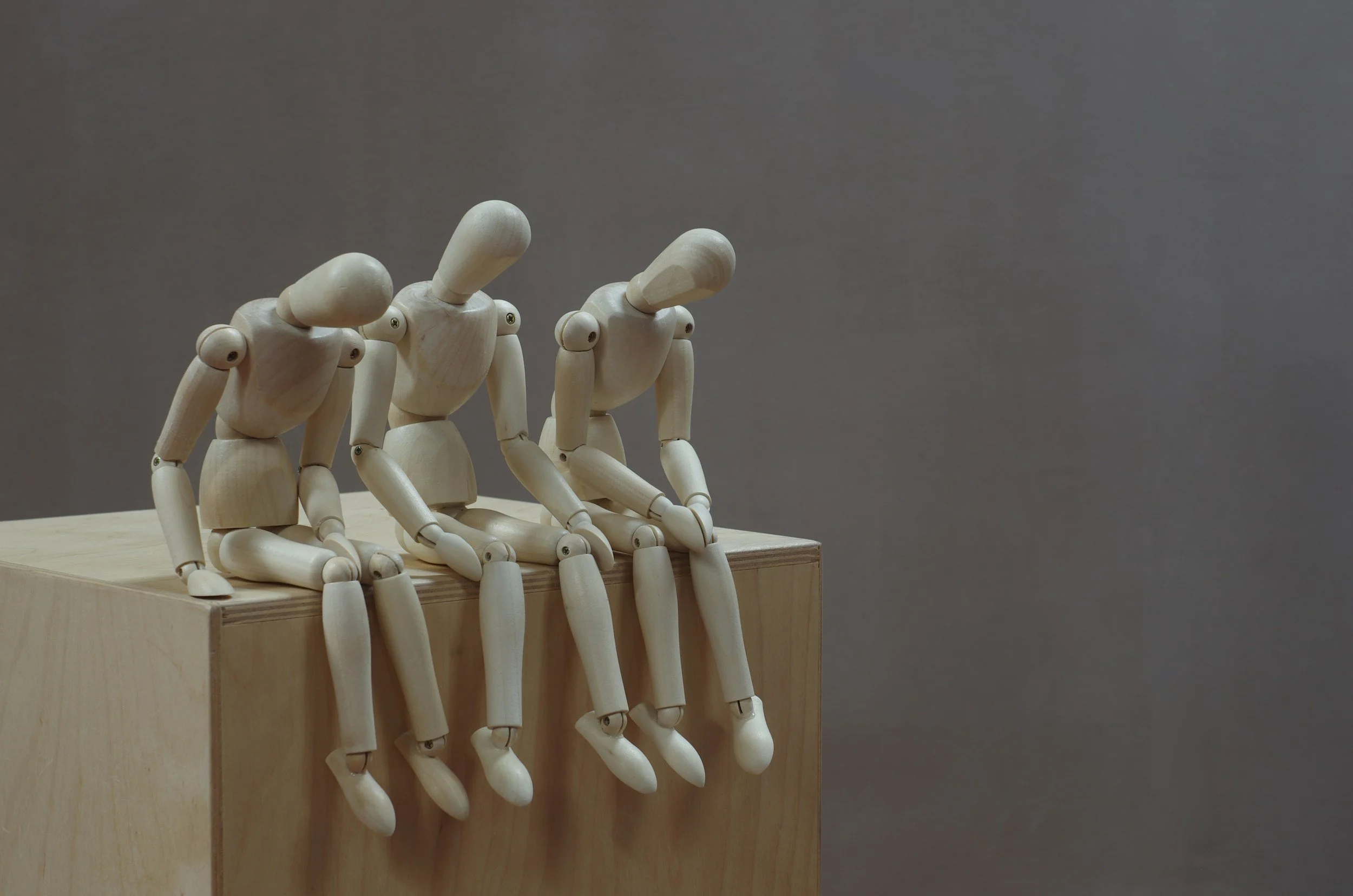
Struggling to maintain the mask all day in school
Some children and young people try to mask or hide their feelings all day at school. This can be very hard. They may become overwhelmed and dysregulate while still at school. Dysregulation means they cannot control their emotions or actions in that moment. They may show strong reactions or get upset.
When this happens in front of others, it can be hard for them to go back to school the next day.
Time without having to mask
Autistic and other neurodivergent people often feel they must hide their natural traits in public. For example, they may hold back the need to stim. Stimming means doing repeated movements or sounds to help the body feel calm.
It helps to build times into the day when your child does not need to mask. This may be at home or in a quiet place at school. During these times, they should feel safe to stim or do other things that help them stay calm and regulated.