

Communication
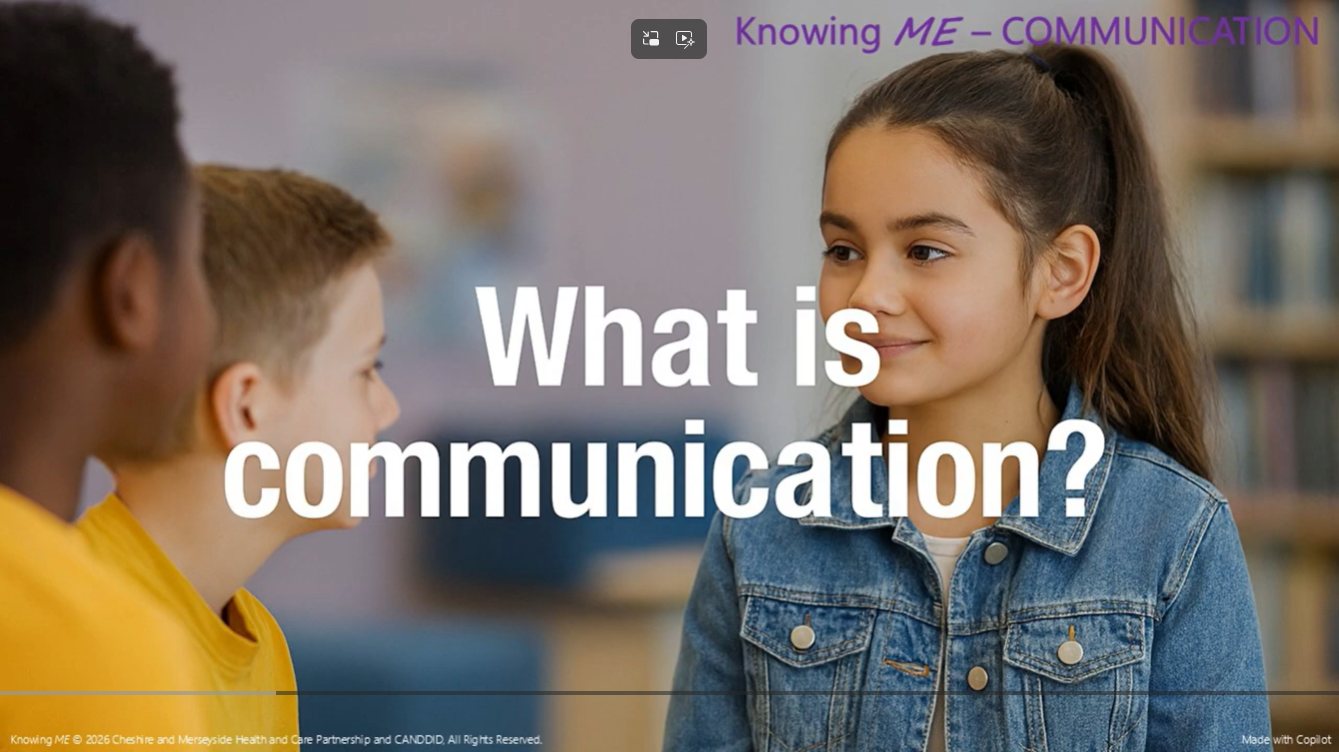
Two-way communication means sharing and understanding ideas, needs and feelings.
Everyone understands and communicates in different ways. These differences are valuable.
Sometimes it can be hard to understand what someone is saying or feeling. They may use:
words
facial expressions
gestures
in ways that others do not expect.
Good communication means taking time to learn how each person communicates and understanding their thoughts and feelings.
How communication differences affect young people
Impact on Neurodiverse Young People
Neurodivergent young people may find communication more difficult.
With the right support, such as clear language and visual tools, these challenges can be reduced.
Young people may find it hard to:
understand fast speech or complex words
read facial expressions or body language
follow long instructions
focus in noisy or busy places
Communication Challenges
-
How this can feel
Young people may feel:
frustrated if they are not understood
worried about getting things wrong
confused in conversations
left out when others do not understand them
School and friendships may feel harder at times.
-
Processing Differences
Neurodivergent young people, including those with autism, Attention Deficit Hyperactivity Disorder (ADHD), dyslexia, dyspraxia and Tourette syndrome, may process information in different ways.
This can make spoken language harder to understand.
-
Social Interaction Difficulties
Some young people may find it hard to understand:
tone of voice
facial expressions
body language
This can lead to misunderstandings.
-
Executive Functioning Differences
Executive functioning means skills such as memory and self-control.
These differences can make it hard to:
remember instructions
follow steps in the right order
-
Sensory Sensitivities
Noise or busy environments can feel overwhelming.
This can make it harder to listen, speak or join conversations.

Benefits of supporting communication
Supporting communication helps young people in many ways.
Confidence Boost
When communication is easier, young people feel more confident.
They may feel more able to speak and join in.
Better Learning
Clear communication helps young people:
understand lessons
follow instructions
complete work
Stronger Friendships
With support, young people can:
talk with others more easily
build friendships
feel less left out
Emotional Wellbeing
Good communication can:
reduce frustration
reduce anxiety (feeling worried or nervous)
help young people feel calm
Independence
Communication skills help young people:
express what they need
make choices
speak up for themselves
Benefits for Peers and Community
Supporting communication also helps others by building:
inclusion (everyone feels welcome)
empathy (understanding others’ feelings)
respect
Groups and classrooms work better when everyone can share ideas in their own way.
Long-Term Benefits
Support with communication helps young people:
build life skills
prepare for education, work and relationships
see their differences as strengths
-
Clear Communication
Use short and simple sentences.
Avoid unclear phrases or sayings.
Visual Supports
Use:
pictures
notes
diagrams
These can help young people understand and remember information.
Structured Environments
Use clear routines so young people know what to expect.
This can reduce stress and support communication.
Play-Based Approaches
Play can help build communication skills.
You can:
practise conversations
model how to interact
Active Listening
Give extra time for the young person to respond.
Show that you value their communication.
Staff Training
Teachers and carers can benefit from training about communication and neurodiversity.
Inclusive Practices
Help others understand different ways of communicating.
This can help young people feel included and accepted.
Communication can feel difficult at times.
With clear language, visual tools and supportive people, young people can:
connect with others
learn more easily
feel confident
What’s On to support Communication
Support in Wirral
-
My Happy Mind
My Happy Mind is a resource that can be used by schools in Wirral. There is support for parents and carers and children and young people. You can find more information on their website.
The service in schools is free.
Resources and Helpful Information

The Salvesen Mindroom Research Centre at the University of Edinburgh creates research and resources to improve the lives of neurodivergent children and young people. Its NEST (Neurodivergent Peer Support Toolkit) helps secondary schools set up peer support groups for neurodivergent students. The toolkit includes information about neurodiversity, guidance for running student-led groups, activity ideas, and advice on keeping groups safe and inclusive. The resources were created with neurodivergent young people and tested in schools to make sure they are useful and practical. These resources help neurodivergent students meet others like themselves, build friendships, feel accepted, and be confident being themselves at school.

The Neurodiversity Hub helps employers understand neurodiversity and create workplaces where neurodivergent people can succeed. Its website provides information about conditions such as autism, dyslexia, dysgraphia, and dyscalculia, and explains how neurodiverse thinking can be a strength at work. The site offers practical resources, guides, and tips for employers on recruitment, mentoring, workplace support, and creating inclusive environments. It also shares examples of organisations that have successfully employed and supported neurodivergent people. These resources help employers recognise strengths, make reasonable adjustments, and build more welcoming workplaces for everyone

Words Matter is a charity that helps adults use positive, supportive language so children can grow, learn, and feel good about themselves.Its Talking to Neurodivergent Children and Young People guide gives practical tips for parents, carers, and teachers on communicating in ways that help neurodivergent children thrive. The guide explains that neurodivergent children may think, learn, and process information differently, so they can benefit from clear, patient, and encouraging communication. The website also offers free resources about talking with teenagers, supporting children through change, communication in school, and building children’s confidence and self-esteem. These resources help adults build strong relationships with children and support their wellbeing, confidence, and development