

Emotion
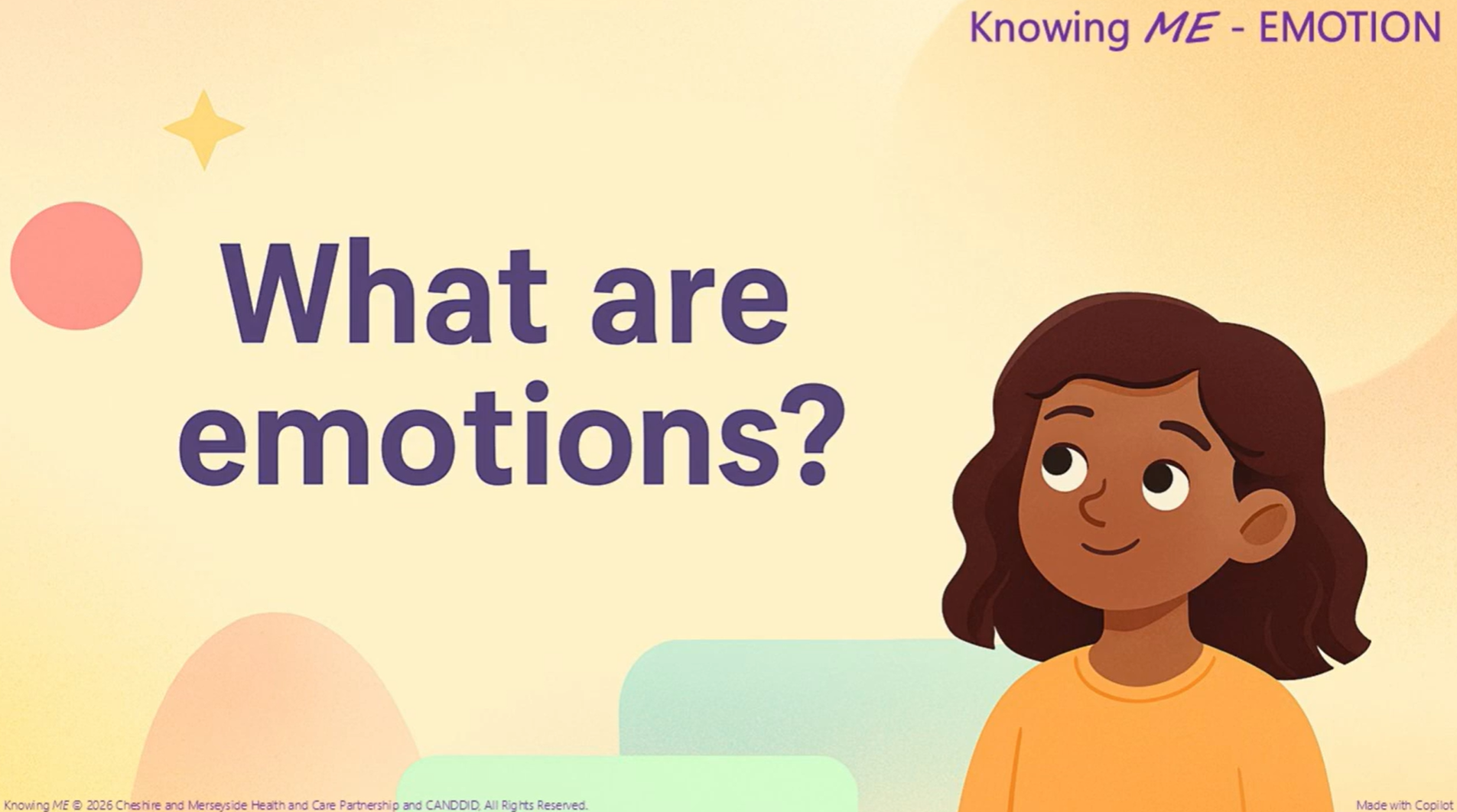
Supporting emotional health means understanding that every brain is different. When people use the term ‘Neuro-affirmative practice’ this means accepting and respecting these differences.
Children and young people may feel, show and manage emotions in different ways.
You can be a young person who is learning about their feelings. You can be a parent or carer who is supporting someone. All of the information here can help.
What Is Emotional Regulation?
Emotional regulation means noticing how you feel and finding safe ways to manage those feelings. Some people feel emotions more strongly or show them in different ways. This is not wrong. It is just different.
For some young people, especially those who are neurodivergent, emotions can feel,
BIGGER
Harder to explain
Harder to manage
This means children and young people who are autistic or have Attention Deficit Hyperactivity Disorder (ADHD) need support from a trusted adult. Emotional regulation can take more time for neurodivergent young people. Feelings may be stronger and last longer. What may look like misbehaviour is often a way of coping with strong or overwhelming feelings.
Co-regulation can help. This is when a calm adult helps a young person feel calm by staying calm and supportive. This is often easier than calming down alone.
Practical Tips & Tools for Emotional Regulation
All of the tips and tools can be used at any time. You don’t need to wait for a professional to tell you it’s ok. They can also be used when a child or young person is being helped by a formal service.
You can say:
“I can see you feel angry.”
“I think you feel sad.”
“You might feel frustrated.”
Name the Feeling
This means helping a child name how they feel and understand what to do next.
Young people can also practise saying how they feel, for example:
“I feel overwhelmed.”
“I feel excited.”
“I am not sure how I feel.”
If using words is hard, try:
pictures
emojis
colours
Calm the Body
Simple daily activities can help calm the body. You can try breathing slowly, squeezing a stress toy, or listening to music. Mindfulness (paying attention to the present moment) can help. There are child-friendly apps and videos to support this in resources below.

-
Visual supports or “zones” tools: e.g. Zones of Regulation ‒ a framework to help children learn to understand and control their emotions. (Being used in some local programmes.)
· Try colour zones, emotion charts, or apps can help track how you’re feeling.
· Tools like Zones of Regulation can be adapted to your child’s needs—make them personal and fun.
-
Routine helps young people feel safe and in control.
You can:
use clear routines each day
give simple expectations
use visual schedules
prepare for changes with gentle warnings
Knowing what will happen next can reduce stress.
Celebrate when a young person manages their feelings well, even in small ways.
-
Creative activities can help young people express feelings without needing words.
Try:
drawing
painting
writing
music
movement
time in nature
Let the young person choose what they enjoy. There is no need to explain everything.
-
Stay connected
Young people may need:
help from a trusted adult
a hug
someone to sit with them
Being calm and present helps a young person feel safe.
You do not need to fix everything. Being there is often enough.
Whether you are a young person or an adult supporting someone, there is no single “right” way to feel or cope. What matters is finding what works and doing it together.
What’s On to support Emotion

Support in Wirral
-
My Happy Mind
My Happy Mind is a resource that can be used by schools in Wirral. There is support for parents and carers and children and young people. You can find more information on their website.
The service in schools is free.
Resources and Helpful Information

Youth Fed is a charity that helps young people build skills, confidence, and wellbeing through support programmes and activities. Its Mental Health and Wellbeing section offers support for young people who may be struggling with their feelings or mental health. The site provides one-to-one support, group sessions, peer support, and mental health projects in schools and communities. It also offers training and information to help adults support young people with their mental health. These resources help young people feel heard, build resilience, and improve their wellbeing.
Youth Fed is a charity that helps young people learn new skills, improve their wellbeing, and get support when they need it. Its Young Hearts, Strong Minds programme helps young people understand mental health and learn ways to cope with challenges. The programme offers one-to-one support, group activities, and training for young people to become mental health advocates. It covers topics such as friendships, family life, exam stress, self-esteem, online safety, and emotional wellbeing. These resources help young people build confidence, resilience, and good mental health.

Victim Support is a charity that helps people who have been affected by crime or other upsetting events. It gives free, private support to victims, witnesses, and their families, even if the crime was not reported to the police. The website offers practical advice, emotional support, and information about people’s rights after a crime. It also has resources for children and young people, online safety, personal safety, and coping with the effects of crime. People can get help through a support line, live chat, and the My Support Space app, which includes self-help tools and guidance. These resources help people feel safer, understand their options, and recover from difficult experiences
Victim Support is a charity that helps people who have been affected by crime and gives free, private support and advice. Its Health Issues page explains that crime can affect both mental and physical health, causing feelings such as fear, anger, sadness, or trouble sleeping. The site offers information about coping with these effects and explains when extra help, such as counselling or medical support, may be needed. It also provides guidance about post-traumatic stress disorder (PTSD) and how to get help if symptoms continue. These resources help people understand their feelings, find support, and recover after a difficult experience
Cheshire and Warrington Infrastructure Partnership (CWIP) helps communities by sharing information, support, and resources that improve health and wellbeing. Its article introduces Kind to Your Mind, a website that helps people across Cheshire and Merseyside find mental health and wellbeing support. The site offers useful resources such as self-help tips, advice, mental health apps, online courses, and local support services. It also includes a personalised support plan that helps people find the most suitable help based on how they are feeling. These resources help people look after their mental health, build resilience, and get support when they need it
Action for Children is a charity that helps children, young people, and families with support, care, and advice. Its Wirral Emotional Health and Wellbeing Team supports children and young people aged 5 to 18 with their feelings, mental health, and wellbeing. The service offers one-to-one counselling, group sessions, digital self-help programmes, and wellbeing workshops in schools and community settings. The website also links to Branch, an online tool that helps young people find the right support for their needs. These resources help children and young people build confidence, manage difficult feelings, and improve their wellbeing
SupportLine is a charity that gives free, private emotional support to children, young people, and adults who are worried, upset, or struggling with problems. Its Children and Young People Support page encourages young people to talk about their worries and explains where they can get help. The site lists helpful helplines, websites, and support services for issues such as mental health, eating disorders, bereavement, bullying, relationships, and being in care.It also provides information about specialist organisations that can offer advice and support for different challenges. These resources help children and young people find trusted support, learn coping skills, and feel less alone

The NSPCC is a charity that works to keep children safe from abuse, harm, and neglect, and to support families when they need help. Its website has lots of advice for parents, carers, children, and young people about safety, wellbeing, behaviour, and mental health. The site provides practical guides on topics such as anxiety, depression, sleep, bullying, loneliness, and supporting children through difficult times.It also offers free resources, learning materials, and a helpline for anyone worried about a child’s safety. The NSPCC runs Childline too, which gives children and young people free, confidential advice and support whenever they need it.