

Eating
Eating
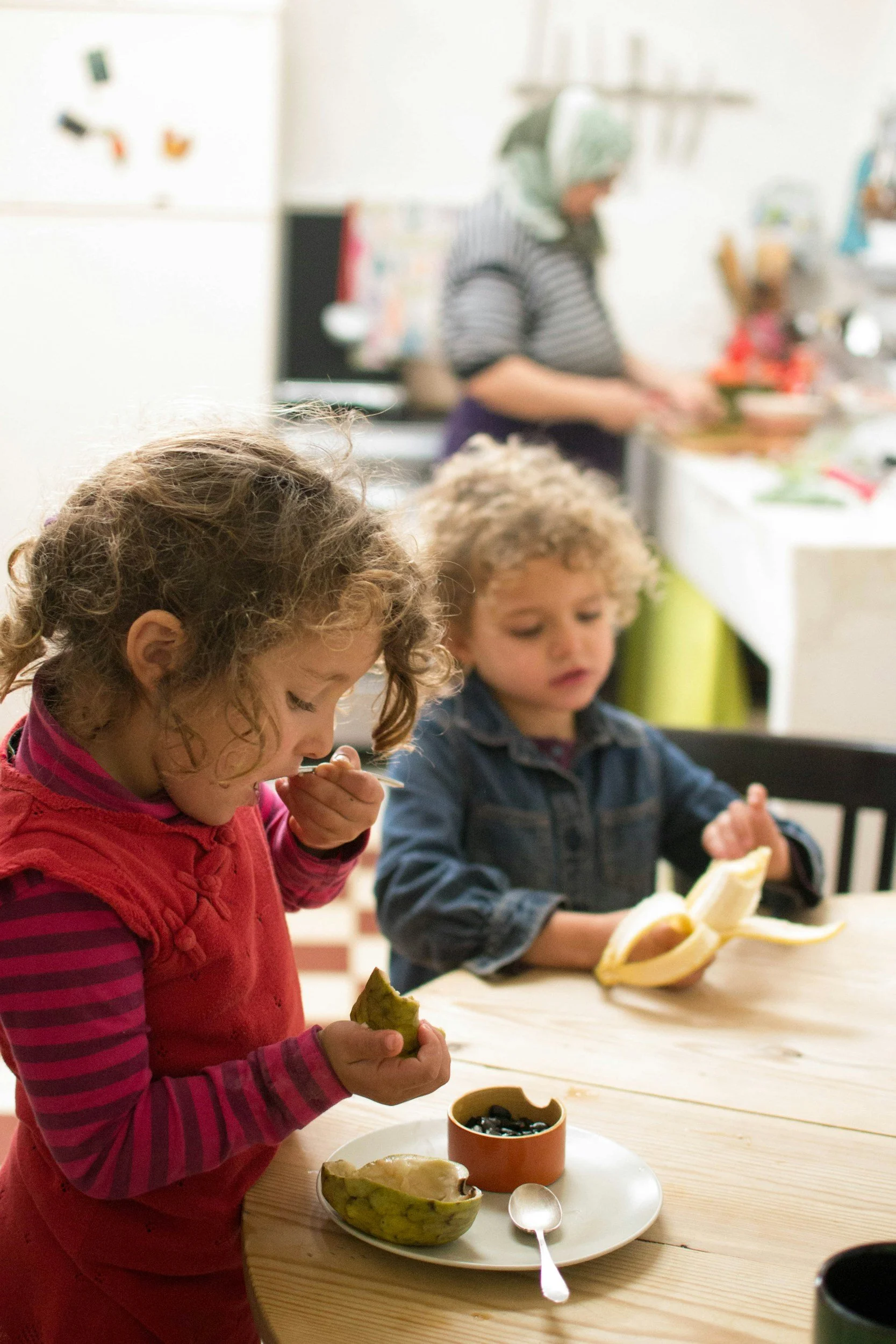
Eating well helps our bodies grow strong. It gives us energy. It helps our brain focus and feel good.
For some neurodiverse young people, food can feel difficult. This may be due to textures, smells or routines. Mealtimes can feel stressful.
This guide gives simple ways to support healthy eating.
Why Nutrition Matters
Good nutrition means:
eating a range of foods for energy, vitamins and strength
drinking enough water
listening to when the body feels hungry or full
Good nutrition helps with:
better sleep
a stronger immune system (the body’s defence against illness)
improved mood and focus
steady energy during the day
Common Challenges
Some young people may:
only want familiar foods
avoid certain textures, like soft or crunchy foods
feel worried or upset at mealtimes
prefer routines and not like change
This is okay. Every young person is different.
The aim is to explore new foods in a gentle way, while respecting what feels safe and comfortable.
What’s On to support Eating
Support in Wirral
-
My Happy Mind
My Happy Mind is a resource that can be used by schools in Wirral. There is support for parents and carers and children and young people. You can find more information on their website.
The service in schools is free.
Resources and Helpful Information
MindMate is a website that helps children, young people, parents, and carers learn about neurodiversity and wellbeing. Its sleep page shares helpful information for neurodivergent children and young people who find it hard to get to sleep or stay asleep. The site links to useful resources, including sleep guides, videos, podcasts, and webinars with advice for better sleep. It also offers tools such as a sleep diary to track sleep patterns and information for children with SEND. Other links include support from charities and expert sleep websites, giving families lots of practical tips and ideas
The National Autistic Society is a charity that helps autistic people and their families by sharing advice, information, and support. Its eating guide explains common food and eating problems that autistic people may have, such as eating only a few foods or finding some foods difficult because of their taste, smell, or texture. The site gives practical tips to help with eating, including using visual aids, food diaries, and clear routines. It also explains when families may need extra help from health professionals if eating problems affect health or growth.These resources help autistic people and their families understand eating difficulties and find ways to make mealtimes easier.