

Hygiene
Hygiene
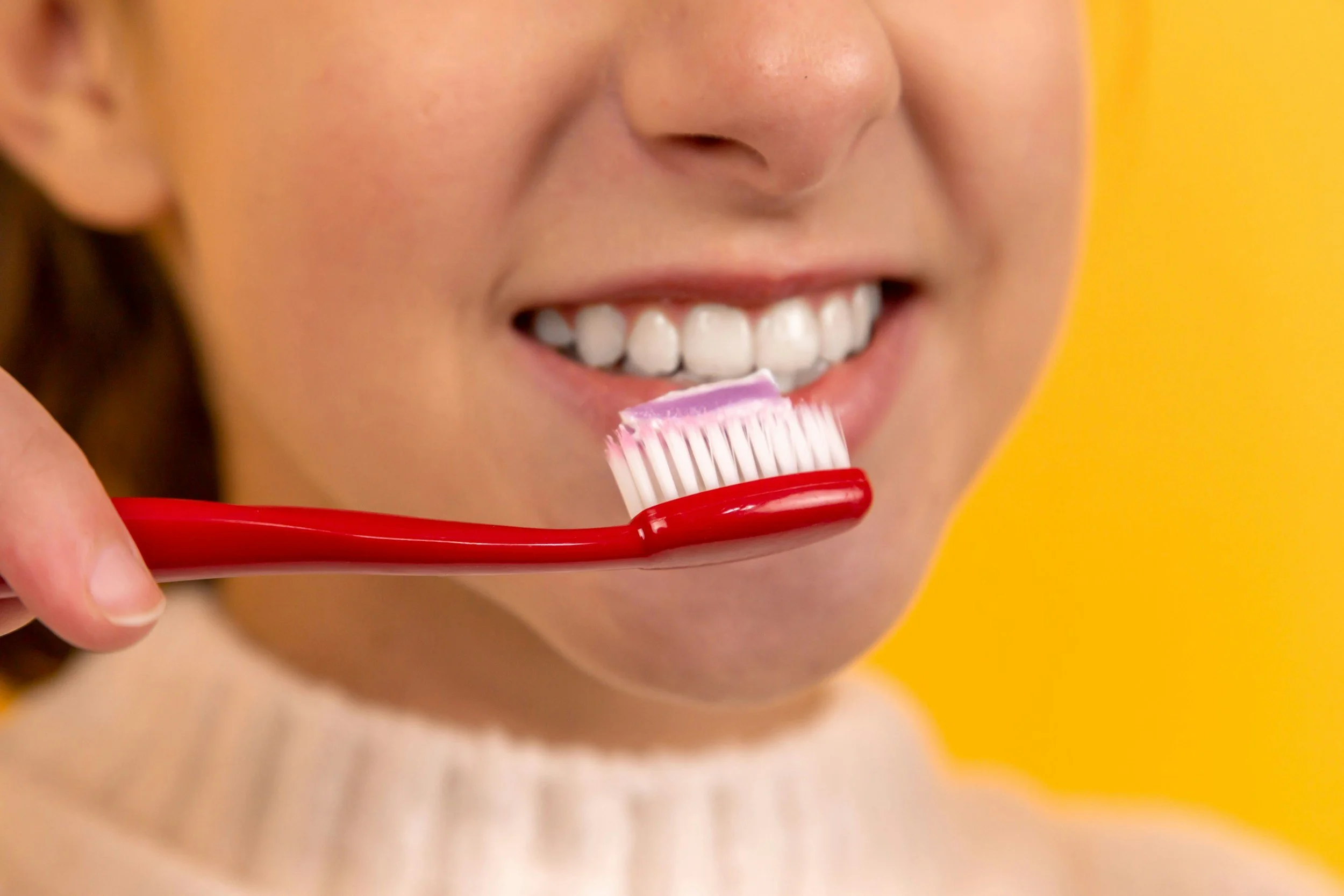
Taking care of our bodies is part of staying healthy. This includes brushing teeth, washing hair and bathing.
For some neurodiverse young people, hygiene routines can feel overwhelming. This guide explains why and gives simple ways to help.
Why Hygiene Can Be Tricky
Some young people may:
feel upset by certain textures, smells or temperatures (for example, rough towels or strong smells)
forget steps or lose track of time
feel worried or rushed, especially in the morning
These challenges are often linked to:
sensory sensitivities (how the body reacts to touch, smell, sound, light or taste)
executive functioning (how the brain plans, organises and completes tasks)
This is not about being lazy or refusing. The young person may need the right support.
What’s On to support Hygiene
Support in Wirral
-
My Happy Mind
My Happy Mind is a resource that can be used by schools in Wirral. There is support for parents and carers and children and young people. You can find more information on their website.
The service in schools is free.
Resources and Helpful Information
Family Action is a charity that helps families with advice, support, and practical information.
Its guide on personal care explains why neurodivergent children may find tasks like washing, bathing, brushing teeth, and hair care difficult. The guide shares simple ideas to make personal care easier, such as using games, clear explanations, and giving children choices. It also offers tips for managing sensory challenges, like reducing noise, using unscented products, and adjusting water pressure or temperature. These resources help parents and carers support children with personal care in a calm and positive way.
Learning for a Purpose is a website that helps parents, teachers, and therapists support neurodivergent children with everyday life skills. Its personal hygiene page shares free activities to help children learn skills such as washing, brushing teeth, and other self-care tasks. The site includes useful resources like visual supports, social stories, guides, and videos that make learning easier and more fun. It also offers sensory-friendly strategies to help children who find personal care difficult or overwhelming.
These resources help children build confidence, independence, and healthy daily routines.

Inclusive Teach is a website that shares advice and resources to help children and young people with SEND learn and thrive. Its hygiene guide explains why some children find tasks like washing, bathing, and brushing their teeth difficult. The guide looks at sensory challenges, such as strong smells, loud noises, and the feel of water or toothpaste. It offers practical ideas to make hygiene routines easier, including using visual supports, games, and sensory-friendly tools. The site also provides a free download with helpful strategies and resources for parents, carers, and teachers.