

Sensory
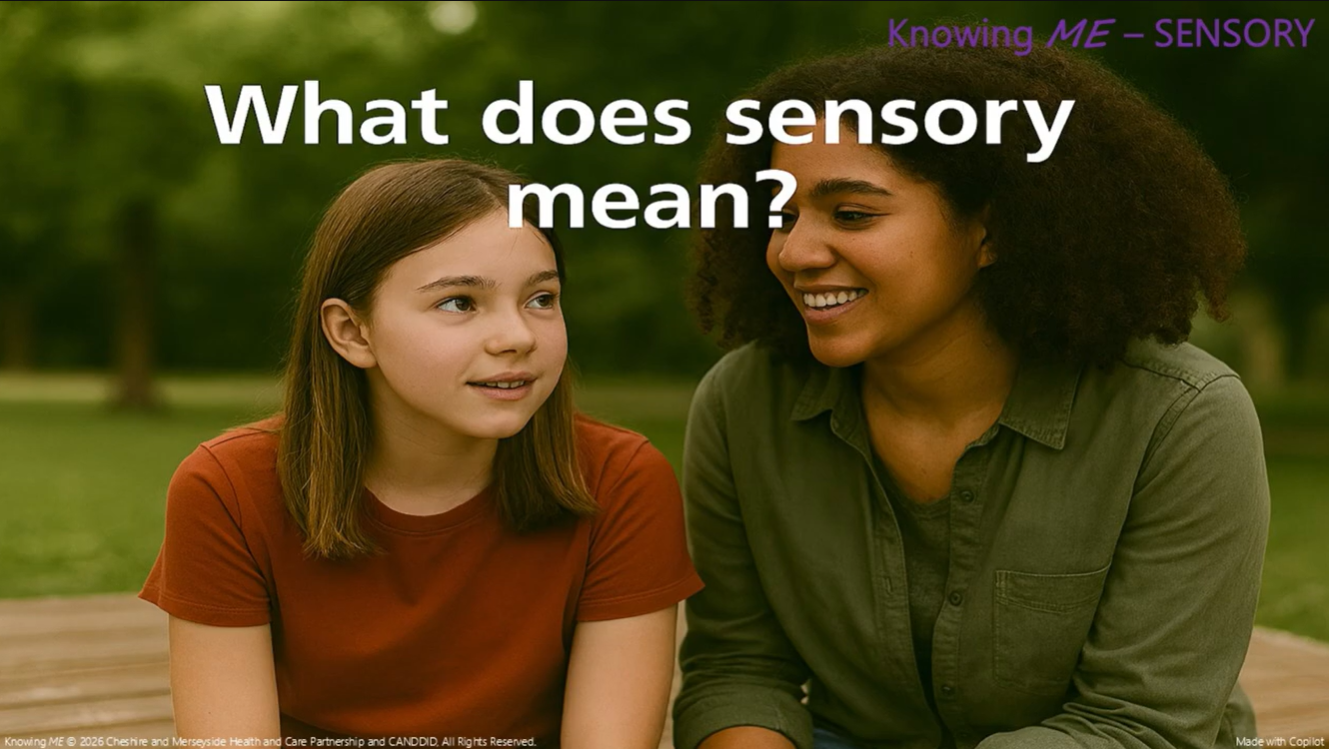
Sensory processing is how the brain takes in and understands information from the senses.
The senses include sight, sound, touch, taste, smell
This information helps us think, feel and act.
Most people learn to process sensory information as they grow.
Neurodivergent young people, such as those with autism or Attention Deficit Hyperactivity Disorder (ADHD), may process this information in a different way.
This is not wrong. It is just different.
What Sensory Differences Look Like
Sensory experiences can be very different from person to person.
A young person may:
feel very sensitive to loud noises, bright lights or certain clothes
seem less aware of sensations and seek strong input (for example, jumping or tight hugs)
react strongly to smells or tastes
find busy or unpredictable places difficult
feel overwhelmed and have a meltdown (a strong emotional response) or shut down (withdraw and become very quiet)
Why It Happens
These responses happen because of how the brain processes sensory signals.
For neurodivergent young people, the brain may:
experience sensory input more strongly or less clearly
find it hard to ignore background noise or distractions
respond differently depending on stress, tiredness or emotions
This can lead to anxiety (feeling worried or unsafe).
When a young person feels overwhelmed, they may go into a fight or flight response. This means the body prepares to protect itself by fighting, escaping or freezing
The short films below give you clear information on different aspects of sensory needs.
An Introduction to sensory processing. Created by Locala health and wellbeing
The 5 senses explained. Created by Locala health and wellbeing
The other three senses explained. Created by Locala health and wellbeing
If a child is very sensitive (over-responsive) or not very sensitive (under-responsive) to sensory input, it can affect how they:
learn
behave
manage emotions
take part in everyday activities
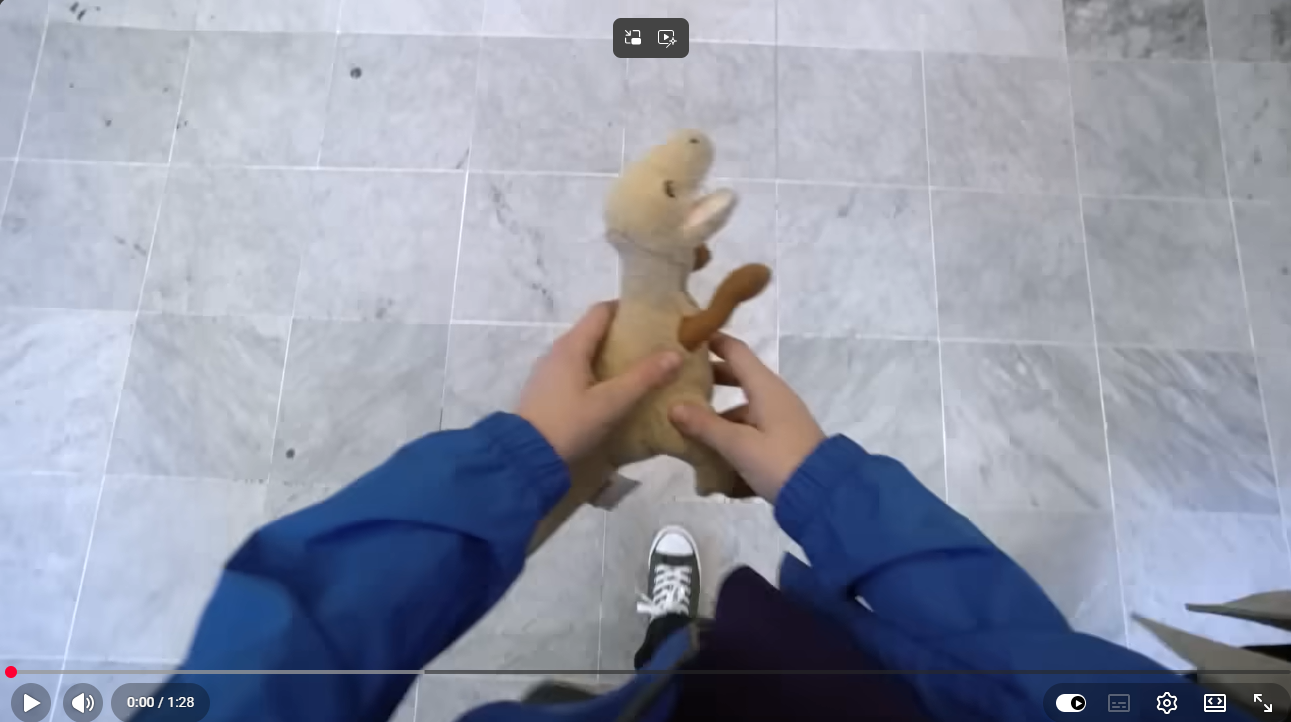
Video Sensory overload and responses
Understanding Sensory Overload
Understanding Proprioception
Proprioception is the sense that helps us know where our body is in space.
It helps with balance, movement and coordination.
Some young people may need more or less input to feel comfortable.
Sensory differences are part of how a young person experiences the world.
With the right support and understanding, they can feel more comfortable and confident.
Proprioception explained
How does sensory processing affect people?
Sensory processing affects how a young person feels and acts in daily life.
If these challenges have a big impact on daily life, it may mean the child has sensory processing difficulties.
For example, it may affect:
concentration in school
sitting still
eating different foods
wearing certain clothes
coping with busy places
managing strong feelings
What Can Help
Different strategies will work for different young people.
Work together with your child or young person. Try small changes over time.
Do not expect quick changes. It can take months for strategies to work well.
-
We recommend you:
try one or two strategies at a time
choose what matters most for your family
make small changes step by step
give each strategy time to see if it works
use helpful strategies regularly for up to 6 month
There are many ways to make sensory experiences easier.
You can try:
noise-cancelling headphones if sounds feel too loud
fidget tools or a weighted blanket (a heavy blanket that gives deep pressure) to feel calm
movement breaks if you need to move
wearing comfortable clothes and avoiding ones that feel uncomfortable
a calm space to go to when things feel too much
-
How Families Can Support Sensory Needs
You can help your child feel safe and confident by:
creating calm, sensory-friendly spaces at home or school
offering tools such as headphones, fidget items or weighted blankets
using simple and predictable routines
encouraging movement breaks or calming activities, like yoga or breathing exercises
working together to understand what helps and what does not
-
Tips for School and Community Settings
You can support your child by:
sharing their sensory needs with teachers and staff
asking for support, such as quiet areas or flexible seating
encouraging sensory-friendly spaces in the community
celebrating your child’s unique strengths
Young people can also ask for support, such as:
sitting in a quieter place
taking breaks when needed
using tools to help them focus or feel calm
telling adults what works for them
Sensory system - over responsive or under responsive?
Below are examples of what you might notice if a child is under-responsive or over-responsive. It is important to know so that you use the right strategy to support them.
If under-responsive, you might see:
If over-responsive, you might see:
seeks bright lights or busy environments
enjoys watching lights or shiny objects
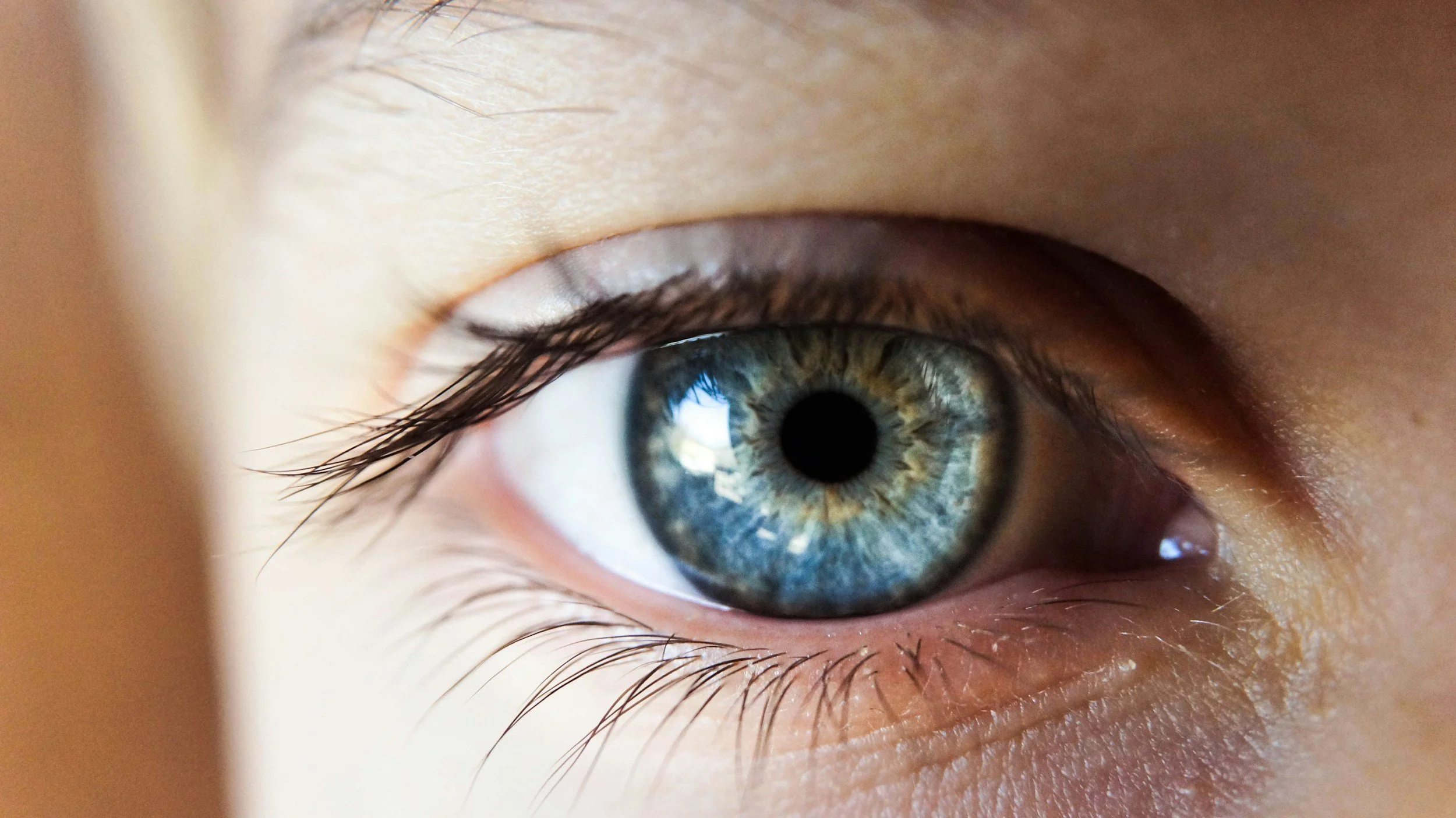
dislikes bright lights
wears a cap or hood to block light
feels overwhelmed by too many colours or lights
does not notice strong smells
seeks strong smells

notices smells others do not
feels stressed by everyday smells like perfume or cleaning products
finds it hard to focus because of smells
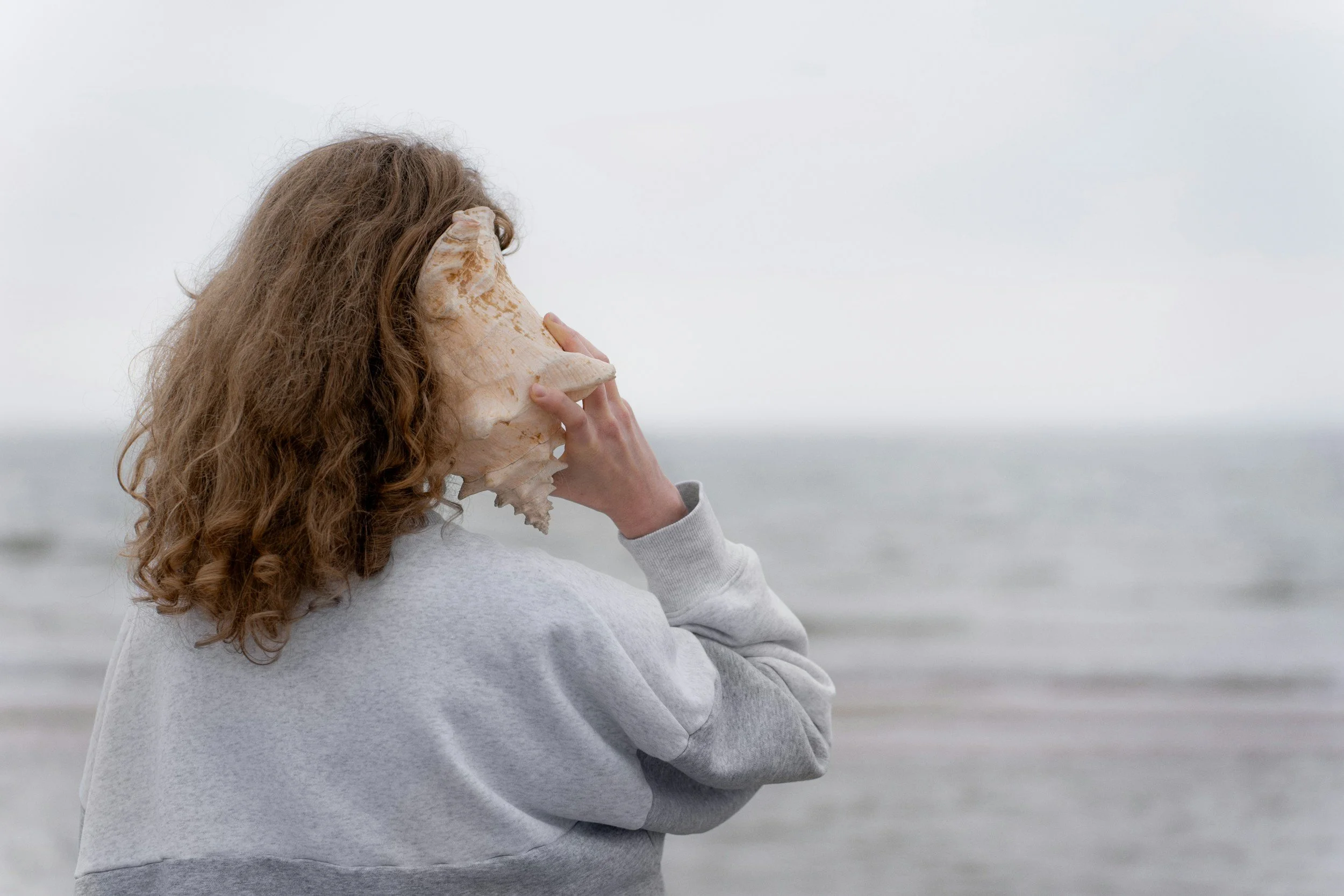
talks loudly
enjoys loud noise
may not respond when their name is called
avoids loud sounds
covers ears
feels anxious before loud noises
gets distracted by background noise

eats or mouths non-food items
prefers strong flavours such as spicy or salty food
dislikes strong tastes
prefers foods that are always the same
gags at certain tastes
avoids new foods
has a limited diet

enjoys messy play
touches objects often
may walk on toes
may appear heavy-handed
only likes touch on their own terms
reacts strongly to being touched
dislikes certain clothes, seams or labels
may walk on toes
bumps into things
trips or falls often
leans on people or furniture
looks at their feet when moving (for example, on stairs)

needs lots of movement
runs instead of walking
enjoys spinning or being upside down

feels dizzy easily
dislikes movement (for example, in cars or on escalators)
finds busy places hard to manage
does not notice pain or illness
does not feel hunger or fullness
may not know when they need the toilet
may not notice if they are too hot or cold

very sensitive to pain
feels very hungry and finds it hard to wait
struggles when too hot or too cold
What’s On to support Sensory
Support in Wirral
-
My Happy Mind
My Happy Mind is a resource that can be used by schools in Wirral. There is support for parents and carers and children and young people. You can find more information on their website.
The service in schools is free.
Resources and Helpful Information

The National Autistic Society is a charity that helps autistic people and their families by providing information, advice, and support. Its website has resources on autism, diagnosis, communication, behaviour, sensory differences, mental health, education, and daily life. The site offers practical guides, support services, online communities, and tools to help autistic people and those who support them. It also provides training and information for parents, carers, schools, and professionals. These resources help autistic people understand their needs, build confidence, and get the right support.

The Department for Education provides free training to help people understand how young children learn and develop. Its website offers eight training modules covering topics such as brain development, language, emotions, physical development, maths, and learning. The courses include practical tips and ideas that can be used when supporting children aged 0 to 5 years. The training is designed for childminders, nursery staff, teachers, teaching assistants, and anyone working with young children. These resources help adults understand children’s needs and support their learning, development, and wellbeing.

The National Sensory Network is a website that helps people understand sensory processing and sensory differences. It offers free courses, guides, downloads, and a forum where people can share ideas and experiences. The site has resources for parents, carers, teachers, and therapists, including information about how sensory differences can affect children, teenagers, and adults. It provides practical tools such as school advice, sensory survival guides, and tips for creating sensory-friendly environments. The website also explains sensory integration and how the senses affect behaviour, learning, and daily life. These resources help people better understand sensory needs and support individuals to feel more comfortable and included

Whole School SEND helps schools, colleges, and education staff support children and young people with special educational needs and disabilities (SEND). Its free sensory processing course explains how the senses work and how sensory differences can affect learning, behaviour, and everyday life. The course includes information about sensory systems, sensory environments, and practical ways to support children and young people. The website also offers free training, guides, resources, and tools for teachers and other professionals. These resources help adults better understand sensory needs and create more supportive and inclusive learning environments.