

Preparing Your Child For Adulthood
Neurodiversity Hub Wirral
Helping your child become more independent
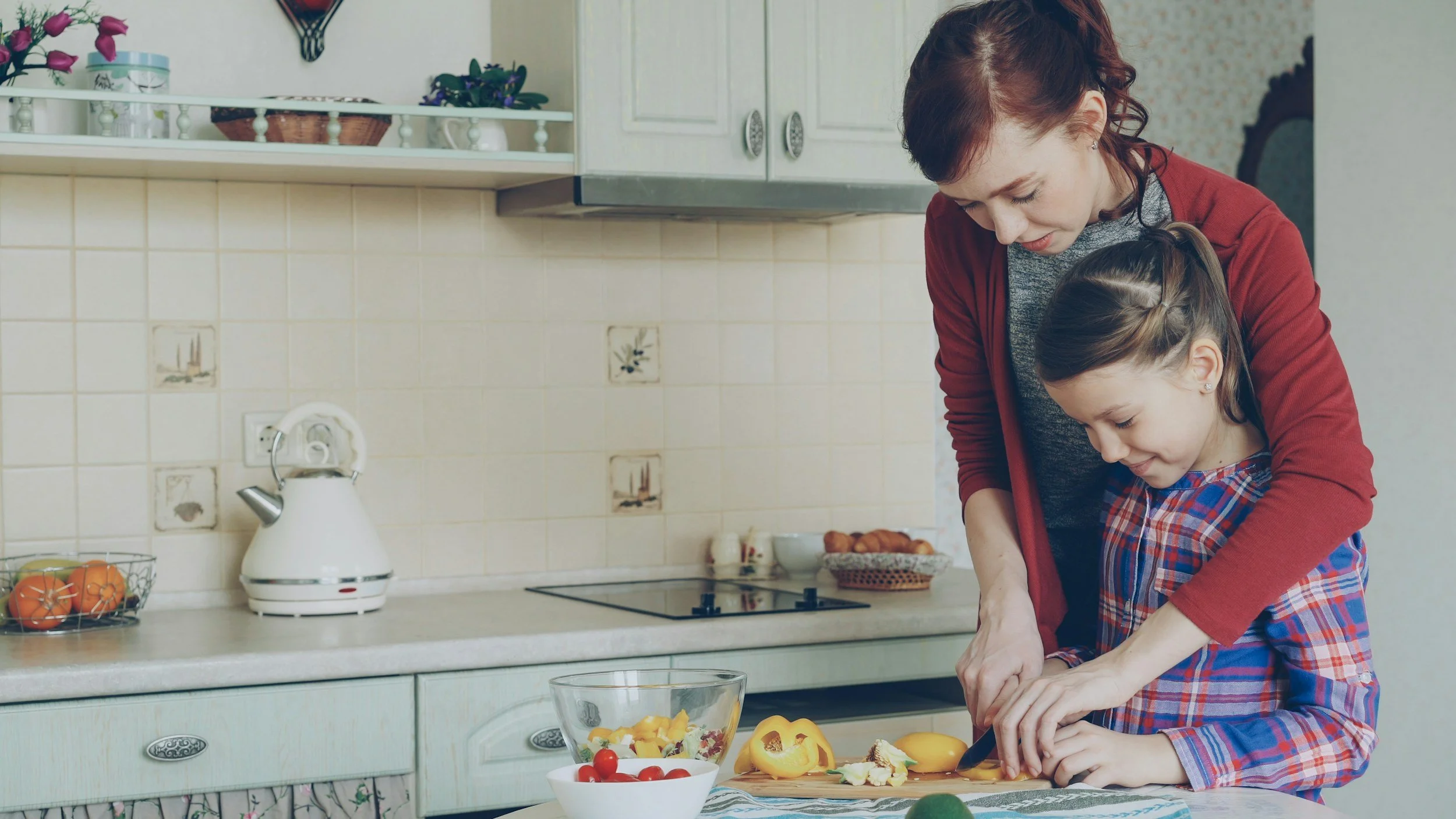
Teaching children to be independent can feel difficult at times.
These simple strategies can help them build skills, confidence, and responsibility, one small step at a time.
-
Teaching children to be independent can feel difficult at times.
These simple strategies can help them build skills, confidence, and responsibility, one small step at a time.Setting clear and realistic expectations
Children often try to meet the expectations adults set.
But they need expectations that are clear and achievable.If expectations are too high, children may give up.
If expectations are too low, they miss chances to learn new skills.Try to set expectations that are just a little higher than what your child can do now.
This helps them stretch and grow without feeling overwhelmed.Be clear and direct.
You could say things like:“I expect you to get dressed in under five minutes.”
“I expect you to put your dishes in the sink after you eat.”
Clear words help children understand exactly what to do.
Teaching skills step by step
It is often quicker to do tasks yourself.
It can also be hard to watch your child struggle with something you could easily do.But teaching your child how to do things independently is an investment.
The time you spend teaching now saves time later.For example, if you show your child how to clean the kitchen or vacuum the living room, they will learn to do these tasks without your help in the future.
Using routines to build independence
Most children do well with routines.
Routines help them know what to do, and in what order.
This reduces stress and creates predictable habits.A morning routine could include:
getting dressed
combing their hair
washing their face
eating breakfast
brushing their teeth
packing their backpack
An after‑school routine could include:
having a snack
30 minutes of screen time
doing homework
doing chores
eating dinner
playing a game
taking a bath
putting on pyjamas
brushing their teeth
reading a book
going to sleep
Clear routines help your child move through tasks on their own.
They also reduce the chaos that can happen when everyone is rushing. -
Saying things like “Clean your room” or “Get ready for school” can feel too vague for many children.
Younger children, children with short attention spans, or children learning a new skill often need clear steps.Break big tasks into small steps.
For example:
“Put your dirty clothes in the hamper. Then straighten your bookshelves.”You do not want to stand beside them and give every step, as this can make them more dependent on you.
A chart can help your child follow each step on their own.
A child‑friendly chart works like a checklist or a to‑do list.If your child cannot read yet, use pictures to show each step.
You can:draw the pictures
use simple clip‑art or printed images
cut out pictures from books or online resources
Hang the chart where your child will see it at the right time.
For example:a bedroom cleaning chart on their door
a “pack your backpack” chart near the coat hooks or front door
You do not need charts for every task.
Choose one or two tasks where you want your child to be more independent.
When they get stuck, remind them to “check your chart” instead of giving every instruction.Over time, they will remember the steps on their own.
Making simple charts to support behaviour
Teaching new skills step by step
Children learn best when tasks are broken down into small steps.
Whether you want a child to calm down when upset, or you want a teenager to help prepare dinner, the steps are the same:
Show them what to do.
Guide them while they try it.
Give positive feedback when they get it right.
Redirect them gently when they go off track.
Once they master the first step, teach the next one.
You build skills one small piece at a time.Encouraging independence through positive praise
Children often get the most attention when they are breaking rules or refusing tasks.
Even negative attention can reinforce behaviour you do not want.So focus on “catching them being good”.
Praise your child when they act independently.
You could say:“Great job putting your dish away without a reminder.”
“I’m so impressed you started your homework all on your own.”
Praise helps children repeat the behaviour.
It also builds confidence as they learn new skills. -
Children learn best when tasks are broken down into small steps.
Whether you want a child to calm down when upset, or you want a teenager to help prepare dinner, the steps are the same:
Show them what to do.
Guide them while they try it.
Give positive feedback when they get it right.
Redirect them gently when they go off track.
Once they master the first step, teach the next one.
You build skills one small piece at a time.Encouraging independence through positive praise
Children often get the most attention when they are breaking rules or refusing tasks.
Even negative attention can reinforce behaviour you do not want.So focus on “catching them being good”.
Praise your child when they act independently.
You could say:“Great job putting your dish away without a reminder.”
“I’m so impressed you started your homework all on your own.”
Praise helps children repeat the behaviour.
It also builds confidence as they learn new skills. -
Rewards can help motivate children to be more independent.
A preschool child might enjoy a simple sticker chart.
For example, if they are learning to sleep in their own bed, earning one sticker each morning may help them feel proud and encouraged.Older children may prefer a weekly reward. You could say:
“If you clean your room and finish your homework before dinner each night, you can invite a friend over on Saturday.”Try not to use rewards that depend on doing something a set number of days in a row.
Children may miss one day, feel like they have “failed”, and give up.Instead, offer rewards based on non‑consecutive days.
For example:
“When you finish your homework before dinner, you can use your laptop for an hour in the evening.”Some children respond well to a token system.
This means they earn tokens for positive behaviour and can swap them for rewards.
For example:2 tokens = 30 minutes of screen time
50 tokens = dinner at their favourite restaurant
Choose a reward system that mirrors real life.
Just like adults get paid after completing work, children earn rewards after meeting their goals.For more information, see:
Verywell Family -
Preparing for Adulthood (PfA) is about helping children and young people gain the skills they need for adult life.
This includes learning about:independent living
education and work
community involvement
health and wellbeing
You can find more information in the Preparing your child for adulthood section.