

Reasonable Adjustments
Neurodiversity Hub Wirral
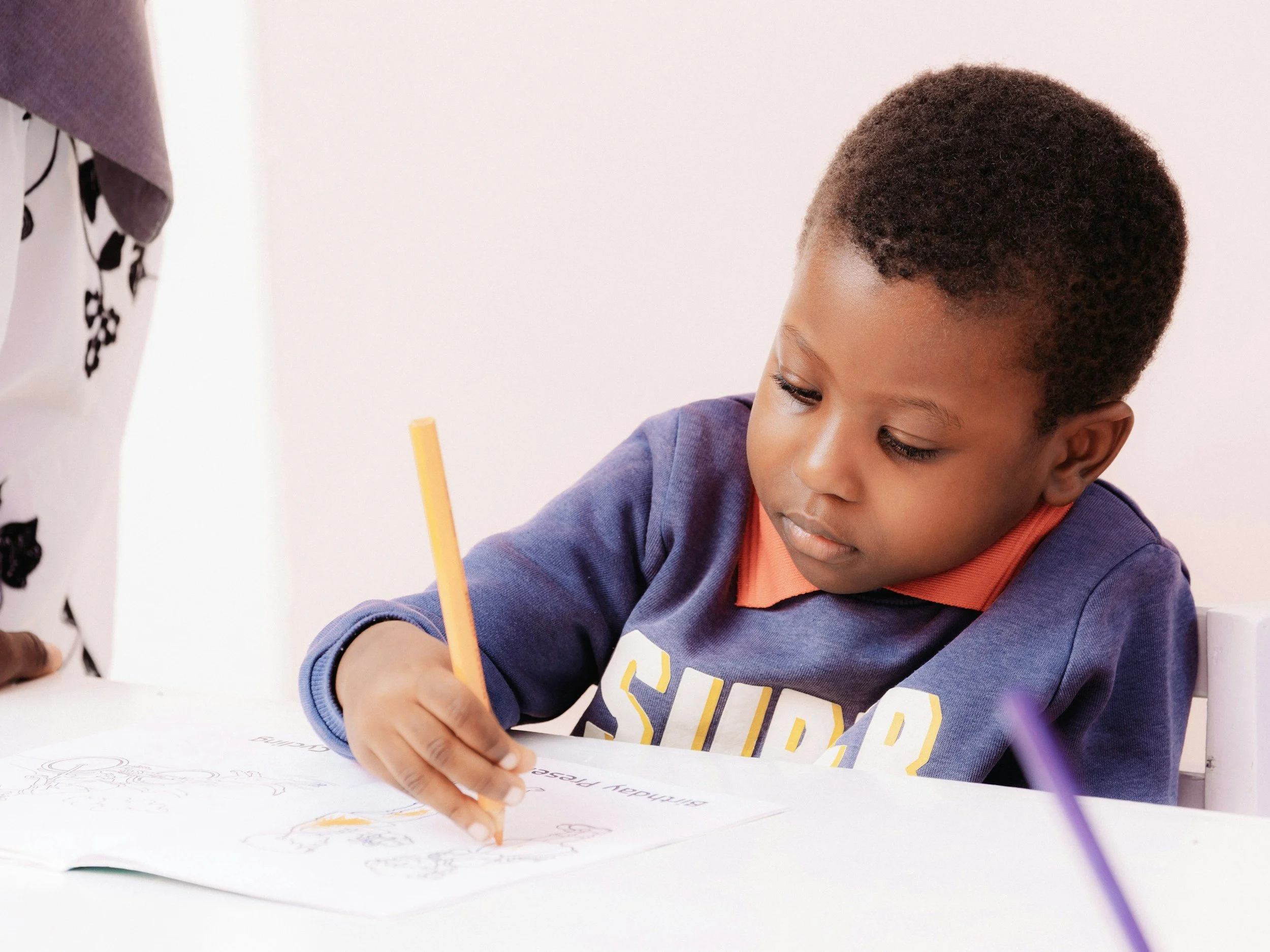
Reasonable Adjustments
Reasonable adjustments are changes made by your school or family to help reduce or remove barriers caused by your neurodivergent needs—especially around routine and change. You can ask for reasonable adjustments to be made.
These strategies may help a child focus better in class and improve their learning experience.
Learning Support
Show and explain tasks at the same time to help with understanding.
Give enough time to finish each task before moving on.
Use praise, attention, and rewards after each step to encourage progress.
Provide tools like a “time out card” or “toilet pass” so the child can leave class if they feel anxious.
Offer alternatives to handwriting, such as using information technology (IT).
Help the child build IT skills like typing, word processing, and voice recognition.
Reduce the amount of handwriting by giving printed handouts or worksheets.
Environmental Adjustments
Think about where the child enters and exits the school.
Busy areas like staircases or lines can be hard to manage. Let the child leave lessons a little earlier to avoid crowds.
Move the child’s coat peg to the end of the cloakroom or let them organise their space in the classroom.
If lining up is difficult, choose a spot in the line that works best for them.
Classroom Adjustments
Seat the child where they can easily see the teacher and learning area.
Make sure they can reach resources without barriers.
Use routines to help with transitions. Let the child move between activities when fewer students are around.
Check seating comfort. Sitting on the carpet may not work well for children with posture challenges.
Classroom Organisation
Limit the number of personal items brought to school.
Use clear plastic pencil cases to help with organisation.
Provide a labelled container or folder for homework and other materials. Make sure it’s easy to reach.
Use colour-coded labels for books and folders.
Create a visual timetable or task list with pictures to show the day’s activities.
Desk and Seating Position
Keep workstations tidy and uncluttered. Use privacy boards or quiet reading areas if needed.
Arrange desks to reduce distractions and bumping. For example, seat a left-handed child to the left of a peer.
Face the child toward the teacher to help with focus.
Use visual cues like a spot, cushion, or chair to show where to sit during floor time.
If posture is a challenge, let the child lean against a wall or chair.