

Sleep: Reasonable Adjustments
Neurodiversity Hub Wirral

Sensory and Environmental Tips
Avoid sugar, caffeine, and additives before bed
Reduce sensory overload—dim lights, lower noise, and remove distractions
Don’t play games or watch TV in bed
Use blackout curtains to block light
Check bedding—is it warm enough and comfortable?
Try a double duvet tucked under the mattress or a sleep suit
🔗 The Sleep Charity – Resources

Reasonable Adjustments for Sleep
Reasonable adjustments are changes made by your school or family to help reduce challenges caused by neurodivergent needs— especially around routines and changes. You can ask for these adjustments to support better sleep.
Sleep and Exams
Exam time can be stressful, and how you manage that stress affects how well you perform. Losing sleep, drinking too much caffeine, and eating unhealthy snacks can make things worse.
Getting 7 to 9 hours of sleep—especially the night before an exam—helps your brain stay sharp and reduces mistakes.
-
Before Bed
Avoid naps after 2pm
Turn off screens (TV, phones, tablets) at least 1 hour before bed
Choose quiet play activities
Offer a light snack if needed (e.g. toast, cereal, warm milk)
Avoid sweets, fizzy drinks, tea, coffee, and hot chocolate
Start the bedtime routine no more than 1 hour before sleep
Bedtime Routine
Keep bedtime and wake-up time consistent
Follow the same steps every night
Try a relaxing bath, brush teeth, then go to the bedroom
Read a calm story—not too exciting
Turn off lights
Give praise in the morning for following the routine
-
Key elements to support sleep:
Clear messages
Positive reinforcement
Good timing
Balanced diet
Sleep hygiene
Calming Activities Before Bed
Lego
Jigsaws
Reading or audiobooks
Fidget toys
Slime or playdough
Sensory box
Dot-to-dot
Board games
Blowing bubbles
Gentle massage
Colouring or drawing
Sewing
Essential oils (rubbed on feet, if safe and preferred)
-
Wind-Down Activities
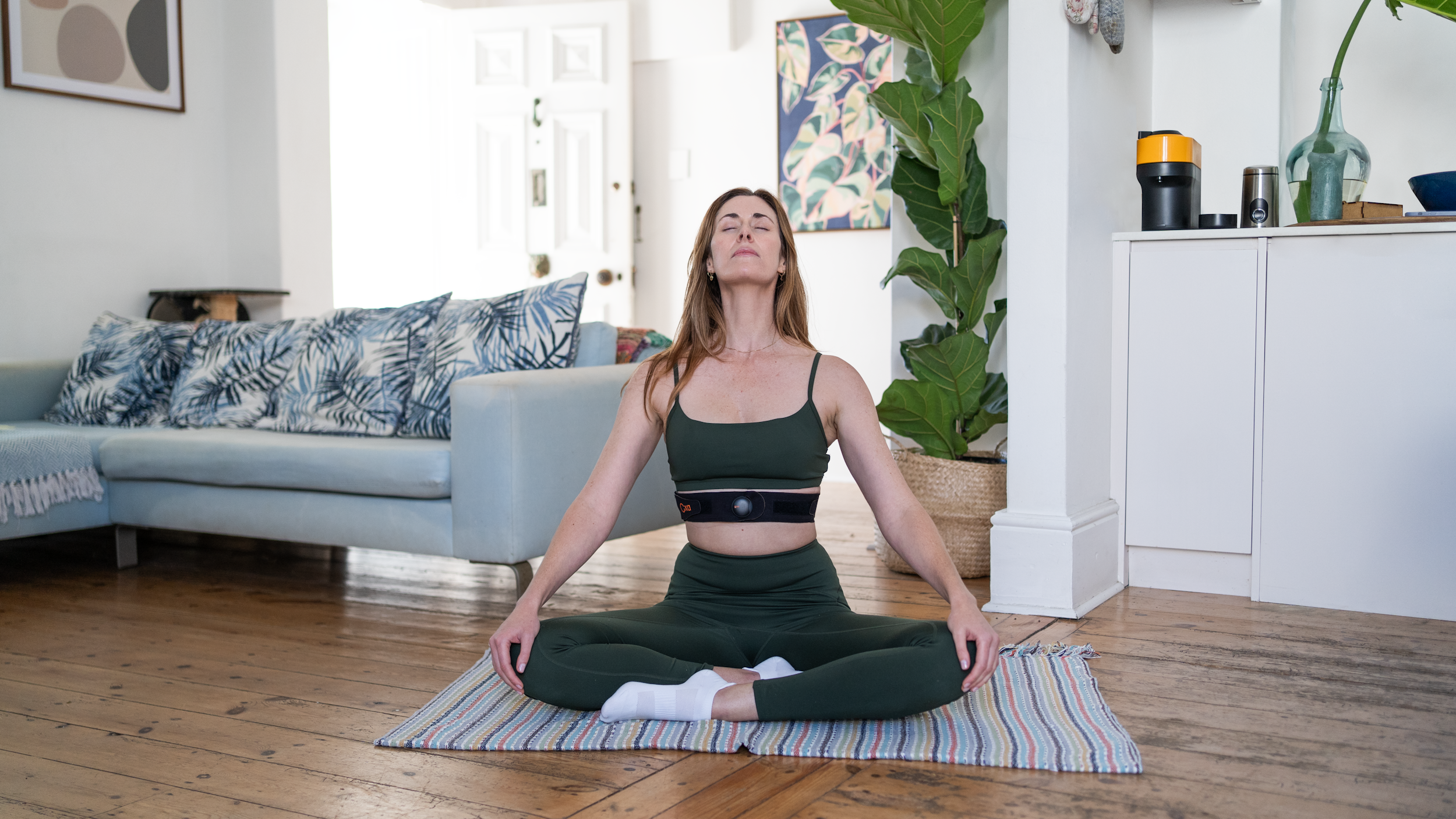
Breathing Exercise:
Lie in bed
Breathe in slowly through your nose
Fill your belly like a balloon
Count to 4 while breathing in
Breathe out slowly through your mouth
Count to 6 while breathing out
Repeat 10 times
Stretch and Relax:
Lie flat with arms and legs straight
Point toes to the bottom of the bed—count to 5
Point toes toward your head—count to 5, then relax
Stretch arms toward legs—count to 5
Open and close hands 10 times, then relax
Squeeze eyes shut—count to 5, then relax
Take 5 deep breaths
Repeat if needed
-
Tips from The Sleep Charity
🔗 Visit The Sleep Charity – Useful Resources
Be prepared
Make a simple revision timetable. Plan what to study and when. Stick to it so you cover all subjects.Sleep well
Avoid all-nighters. Poor sleep leads to stress and fuzzy thinking. Study early and rest well before the exam. A comfy bed helps too.Get physical
Exercise helps reduce stress. Try walking, running, or playing a sport. It also helps you sleep better.Prioritise
Break revision into small tasks. Focus on the most important topics first. Set goals that feel doable.Practice relaxation
Try deep breathing in bed. Close your eyes, breathe in slowly, and breathe out like blowing out a candle. Repeat to feel calm.Ditch the devices
Turn off screens at least an hour before bed. Avoid talking about exams or watching videos late at night.Change the environment
Study in different places. Go outside for fresh air or decorate your room with posters or cushions to make it feel new.Socialise a little
Spend time with friends who understand how you feel. Talk about your stress and ask for help if needed.

More Teen Sleep Resources
🔗 Hunrosa Sleep Takeaway Cards – Teenagers
🔗 Start Now Cornwall – Connect Card
🔗 Start Now Cornwall – Wellbeing Toolkit: Sleep
App Library
You can find health and wellbeing apps in the App Library, tested by ORCHA (Organisation for the Review of Care and Health Applications).
🔍 Search for sleep support by typing “sleep” and choosing your age group or role (e.g. parent/carer):
👉 App Library – Sleep Search