

Reasonable Adjustments
Speech, Language and Communication - Neurodiversity Hub Wirral
Reasonable adjustments are changes that can be made at school, home, or work to make things easier for a child or young person. These changes help reduce challenges linked to their needs, such as coping with routines or dealing with change.
You can ask for these adjustments to be made. Here are examples of adjustments that support speech, language and communication needs. Think about the adjustments that work best for an individual. Different strategies will work for different people. You may need to use more than one.
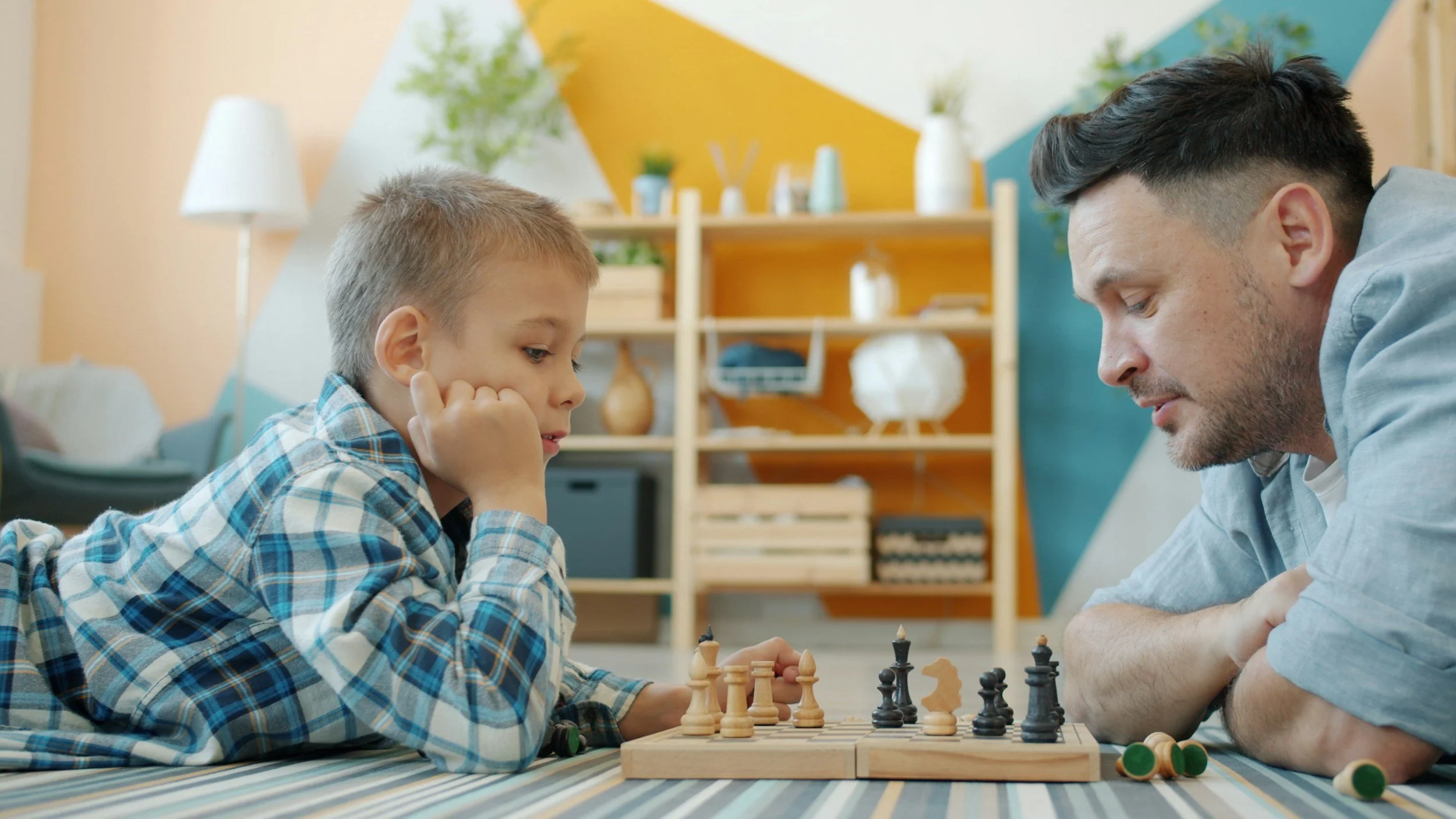
1. Give More Time to Process
Allow extra time for the child or young person to:
Understand instructions
Think about their response
Share their answer
If they don’t respond right away, count silently to 10 before repeating or rephrasing.
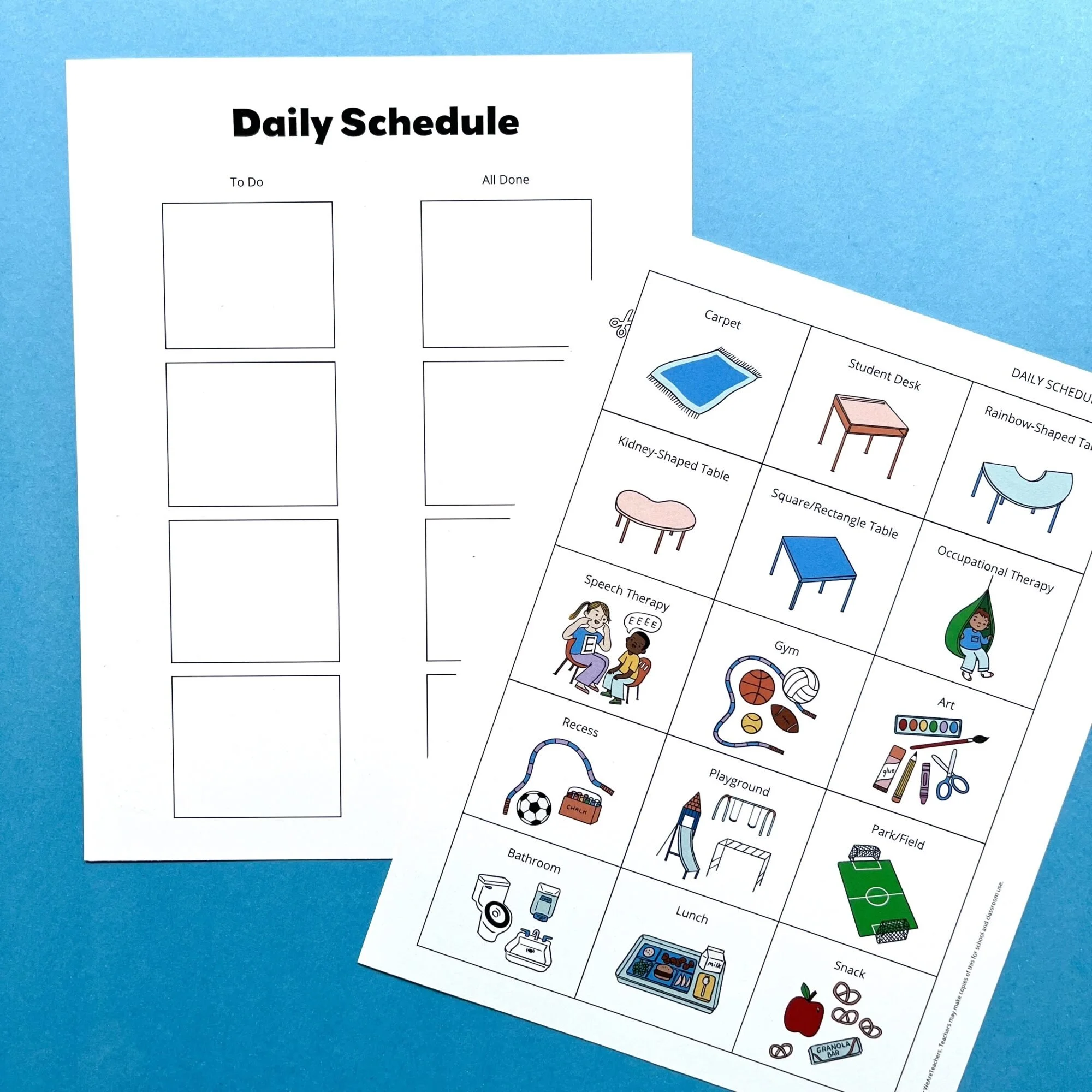
2. Use Visual Supports
Visuals help with understanding, memory, and transitions. You can use:
Gestures and pointing
Drawings and diagrams
Interactive whiteboards, tablets, apps, and videos
Visual timetables, flowcharts, and signs
Language-rich displays around school or work
More ideas: Visual Supports – National Autistic Society
3. Use Multi-Sensory Teaching
Use hands-on learning to support understanding, especially in subjects with lots of language. For example:
Use number lines in maths
Build a model volcano in geography
Start with real-life experiences
Focus on life skills and creative tasks
Model the language you want them to use during activities. This helps with speaking and writing later.

4. Use Clear and Simple Language
Speak slowly
Give one instruction at a time
Keep sentences short
Pause between sentences
Repeat or rephrase if needed
Give instructions in the order they should be done
(e.g. “Finish question 10 before you go outside” is clearer than “Before you go outside, finish question 10.”)
Use simple words (e.g. “make” instead of “produce”)
Avoid idioms or explain them if you use them
5. Support Storytelling and Conflict Resolution
It can be hard for children and young people to explain their side of a story, especially after a conflict. Wait until they are calm. Then:
Give time and support
Use drawings or stick figures to talk through what happened
Explore who, what, where, when, and why
Talk about thoughts, feelings, and motivations
More ideas: Comic Strip Conversations – BCUHB NHS This information sheet tells you about Comic Strip Conversations and Social Stories.

6. Build Emotional Awareness
Understanding emotions can be hard. Help by:
Talking about your own feelings out loud. You might say “I’m feeling frustrated because my laptop is slow.”
Suggesting how they might feel. You might say “I wonder if you’re feeling anxious because you forgot your workbook.”
Using visuals like emotion charts or scales
7. Understand Swearing During Dysregulation
Swearing may happen when a child or young person is overwhelmed. It may not be intentional. Swear words are stored near the emotional part of the brain, not the language part. Swearing can be part of the fight-flight-freeze response and may not be meant to offend.