

Self Care
Neurodiversity Hub Wirral
Looking After Yourself
Self care means doing things that help you stay healthy, happy, and well.
It can support both your physical and mental health.
-
A self care plan is a simple list of things that help you feel better.
You can write down activities that calm you, give you energy, or help you cope when life feels hard.
Some ideas include:
short walks
listening to music
taking breaks
talking to someone you trust
doing something creative
You can make a plan on paper, on your phone, or in a journal.
-
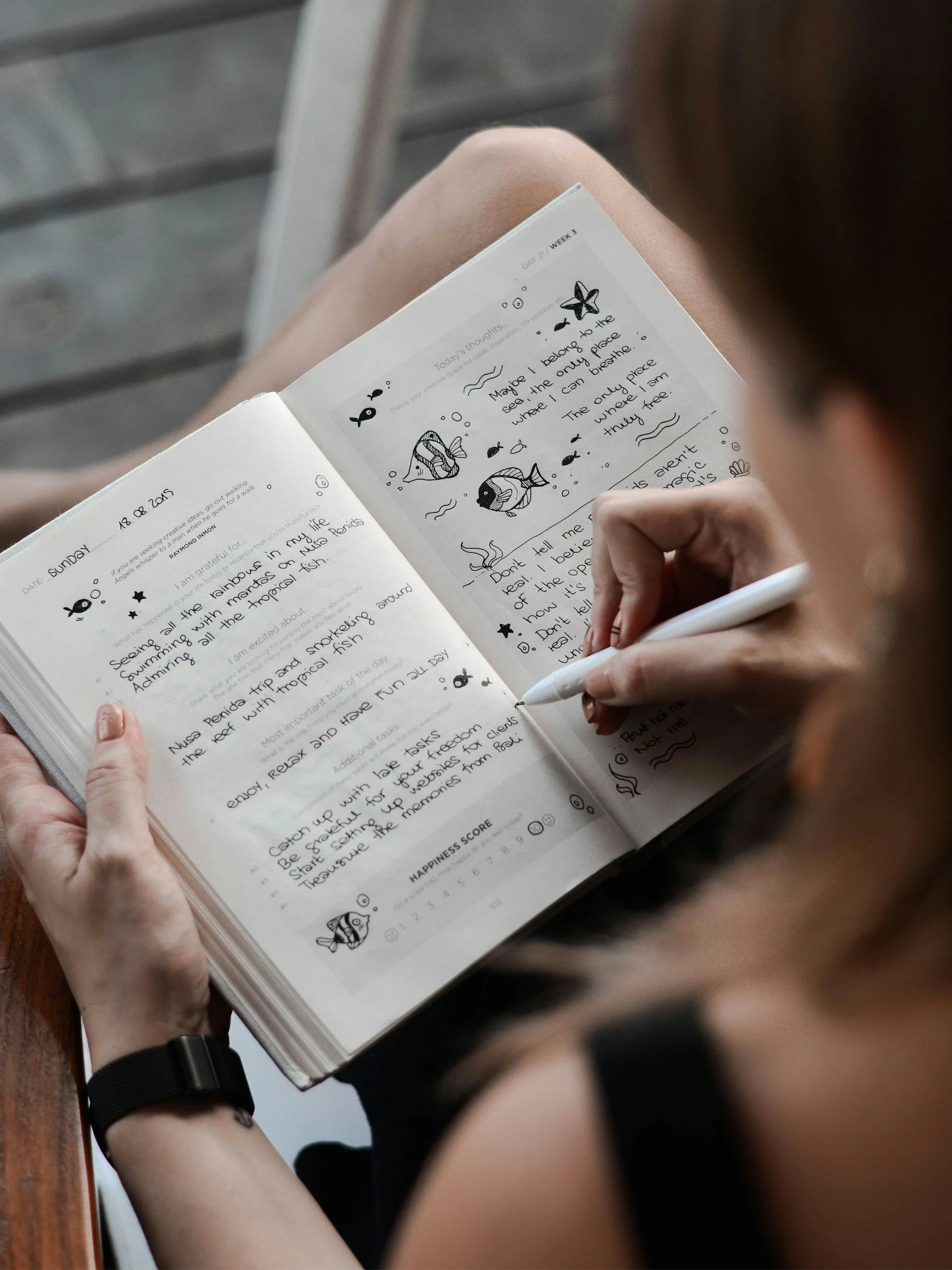
Journaling means writing down your thoughts and feelings.
You can write anything you want.Journaling can help you:
understand your feelings
work through worries
notice things that make you happy
track changes over time
You can write a little each day, or only when you need to.
-
Meal planning can help you eat well and save money.
It also helps you choose food you enjoy.An Easy Way to Start Meal Planning
Step 1: Research What You Like
Think about meals you enjoy and foods that make you feel good.Step 2: Lower Your Expectations
Start small.
You do not need to plan every meal.Step 3: Clean Your Kitchen (Consistently)
A clean space makes cooking easier and safer.Step 4: Go Grocery Shopping
Make a simple list before you go.
Include food for a few easy meals.Step 5: Build In Flexibility
It is fine to swap meals around during the week.Step 6: Make Mistakes — Get Creative!
Cooking takes practice.
Trying new things can be fun.Step 7: Cook and Eat Your Meal
Enjoy the food you made. -
Start by choosing 3–5 meals you want to cook in the week.
Write down the ingredients you need.Try to include:
fruit
vegetables
starchy foods like pasta, rice, or potatoes
protein like beans, eggs, fish, or meat
If you want guidance, the Eatwell Guide from the National Health Service (NHS) shows what a balanced diet looks like.
-
Most people get enough vitamins and minerals from a healthy, balanced diet.
However, some supplements are recommended for everyone at certain times:
Vitamin D in autumn and winter
Folic acid if you are pregnant or trying to get pregnant
A doctor or pharmacist can help you decide if you need anything else.
-
Wash your hands before and after preparing food.
This stops germs spreading and helps keep you safe.Other simple food safety steps include:
keeping raw meat away from other food
storing food in the fridge if it needs to be kept cold
checking use by dates
cooking food all the way through
How Food Affects Mood
Food can affect how you feel.
This may be different for each person.Blood Sugar
If your blood sugar gets low, you may feel tired, angry, or sad.
Eating regular meals and foods that release energy slowly can help.
These include whole grains, oats, beans, and fruits.Stress and Your Gut
When you feel stressed or anxious, your stomach may react.
You may feel:
bloated
constipated
less hungry
more hungry
This is common and can improve with rest, gentle movement, and regular meals.
Eating well can support mental health, but be kind to yourself.
It can feel harder to focus on eating when your mental health is low.Understanding Eating Disorders
Everyone has their own way of eating.
Most eating patterns are safe and help us stay healthy.Sometimes worries about weight or body shape can change how someone eats.
If these worries affect daily life or health, they may be an eating disorder.Eating disorders are ways some people cope with difficult feelings or stressful experiences.
What Is Anorexia?
A person with anorexia nervosa is often under a healthy weight.
They may have a strong fear of gaining weight.They may eat very little or try to burn off calories by:
exercising too much
making themselves sick (purging)
They may focus on being thin, even when it is harmful to their health.
What Is Bulimia?
A person with bulimia nervosa is usually within a healthy weight range.
They often binge eat, which means eating a large amount of food in a short time.
After this, they may try to “make up for it” by:
vomiting
fasting
over exercising
These behaviours can be very harmful.
When Symptoms Do Not Fit One Diagnosis
Some people have many signs of anorexia nervosa or bulimia nervosa, but not all of them.
This can be called Eating Disorder Not Otherwise Specified (EDNOS).
The person still needs support and care. -
FREED stands for First Episode Rapid Early Intervention for Eating Disorders.
It is a special pathway within the Adult Eating Disorder Service.
In Cornwall, FREED is for young adults aged 18–25 who have had an eating disorder for 3 years or less.
The service:
offers fast access to evidence‑based support
aims to meet needs quickly and safely
tries to make first contact within 48 hours of referral
If FREED is suitable, an assessment appointment is booked soon after.
Support for Children and Young People
If you are aged 8–18, you can be referred to the Children and Young People’s Eating Disorder Service.
This service supports young people with eating difficulties or eating disorders.
-
Staying Hydrated
Everyone should try to drink 6 to 8 glasses of fluid each day.
This can include:
water
lower fat milk
sugar free drinks
tea or coffee
Tea and coffee contain caffeine, but in normal amounts they still help keep you hydrated.
Juice and Smoothies
Fruit juice and smoothies count towards your fluid intake.
Try to have no more than 150ml a day because they contain a lot of sugar.
Cutting Down on Sugary Drinks
Sugary drinks are a major source of extra sugar for children and adults in the UK.
Try swapping sugary drinks for:
diet drinks
sugar free drinks
drinks with no added sugar
This is a simple way to reduce sugar.
How Caffeine Affects You
Caffeine is found in:
tea
coffee
chocolate
cola
energy drinks
Caffeine is a stimulant, giving a short burst of energy.
It can also:
make you feel anxious or low
disturb sleep
cause withdrawal symptoms if stopped suddenly
If caffeine affects your mood, try reducing it slowly.
For example, alternate between caffeinated and decaf drinks. -
Alcohol contains calories (kcal), and drinking too much can affect health.
Adults should drink no more than 14 units a week.
Examples:
1 pint of standard lager ≈ 136 kcal
175ml glass of wine ≈ 135 kcal
25ml spirits (40%) ≈ 56 kcal
Alcohol and Mental Health
Alcohol may feel relaxing at first, but it can:
worsen anxiety or depression later
make you feel unwell
make coping harder over time
Alcohol and Pregnancy
Alcohol during pregnancy can harm a baby and cause Foetal Alcohol Spectrum Disorder (FASD).
Alcohol can:
harm brain and body development
stop healthy growth
lead to pregnancy loss
Children who survive may have lifelong difficulties.
-
Healthy relationships support mental wellbeing — including the relationship with yourself.
Setting boundaries means knowing what feels safe, fair, and respectful for you, and speaking up when something does not feel right.
Feeling Pressure From Others
Peer pressure is when you feel pushed to do something to fit in or avoid conflict.
Healthy boundaries help you stay safe and true to yourself.
Boundaries to Protect Yourself
Boundaries protect your:
feelings
time
personal space
safety
wellbeing
Ways to set boundaries include:
saying what you are comfortable with
taking time to decide
choosing who you spend time with
walking away from unsafe situations
asking a trusted person for help
-
It is okay to say “no.”
You do not need to explain yourself.Helpful phrases include:
“No, thank you.”
“I’m not comfortable with that.”
“That doesn’t feel right for me.”
Practising makes it easier over time.
Why Saying No Feels Difficult
Many people struggle with saying “no” because they want to:
avoid conflict
be liked
keep the peace
We Want to Get Along
Humans are social.
Saying “no” can feel uncomfortable even when necessary.Wanting Acceptance
We may say “yes” to feel liked or avoid rejection.
Fear of Disappointing Others
Many people want to avoid letting someone down.
Social Rules Make It Hard
We are often taught to be polite and not speak up.
Learning assertiveness takes practice.Why Saying No Matters
Saying “no” helps protect your:
time
energy
wellbeing
values
It can:
reduce stress
improve confidence
strengthen relationships
help you grow
Easy Ways to Say No
You do not need a reason every time.
15 simple phrases:
“Thanks for thinking of me, but I’ll have to pass.”
“I wish I could, but it’s not possible right now.”
“I’m on a strict diet of ‘no’ this week.”
“Can I check my schedule and get back to you?”
“I can’t, but someone else might be interested.”
“I’m not comfortable with that, but thank you.”
“I can’t commit to that right now.”
“Maybe next time.”
“I’m already busy that evening.”
“I’ve already made other plans.”
“I have a regular commitment then.”
“Let’s plan something another time.”
“I’ve got a full plate right now.”
“I’m cutting back on __, so I’ll decline.”
“I’m stretched thin at the moment.”
-
Pets can:
increase physical activity
provide companionship
reduce anxiety
boost confidence
add structure to daily life
help people meet others
Pets and Neurodiversity
Pets can support neurodivergent people, including those with ADHD and autism.
Pets and ADHD
Pets can help with:
routine
time management
responsibility
Pets and Autism
Pets can offer:
calm
comfort
predictable relationships
They can also support sensory needs.
Deciding If a Pet Is Right for You
A pet needs time, money, and commitment.
Questions to ask:
How much space do I have?
How active am I?
How much time do I have each day?
Can I afford vet care, food, and insurance?
Fostering or helping a friend can help you decide.
-
The internet can be positive, but it can also be harmful.
If someone online makes you feel unsafe, seek help.
Your feelings are valid.
What happened is not your fault.Speak to a trusted adult or use a support service.
Safe Places and Support
Safe Places
Safe Places support people with learning disabilities and autistic people in the community.
Participating locations include:
shops
cafés
job centres
Look for the Safe Place sticker.
Safe Place Cards
To request a card:
Email: safeplaces@cornwall.gov.uk
Call: 01209 615 600
Safe Places App
A free app shows nearby Safe Places.
Available on the App Store and Google Play. -
Support is available if you experience a hate crime or hate incident.
You can also report incidents on the True Vision website.
Mate Crime
Mate crime is when someone pretends to be your friend to take advantage of you.
It is wrong and support is available.
-
Good hygiene helps prevent illness and protect others.
Personal hygiene includes:
washing daily
handwashing after the toilet
brushing teeth twice daily
covering coughs and sneezes
washing hands after touching animals
Bathing and Showering
Wash daily, including armpits and genital areas.
Preventing Body Odour
Use deodorant and wear clean clothes.
Preventing Bad Breath
Brush and floss daily.
See a dentist if problems continue.Things to Think About Before a Tattoo
Getting a tattoo is a big decision.
Learn about:
risks
aftercare
Talk to a trusted adult or watch reliable guides first.
-
Adults should aim for:
150 minutes of moderate activity each week
Exercise can:
improve health
boost mood
build confidence
support mental wellbeing
Moderate Activity
You can talk but not sing.
Examples:brisk walking
dancing
cycling
hiking
Vigorous Activity
Examples:
running
swimming
team sports
skipping
Very Vigorous Activity
Examples:
heavy weight lifting
sprinting
circuit training
Muscle Strengthening
Examples:
yoga
Pilates
resistance exercises
gardening
Free Online Exercise Videos
The NHS offers free workout videos for all abilities to exercise safely at home.