
Teenage Zone
Neurodiversity Hub Wirral
Vision and Hearing for Teenagers
Good vision and hearing are important for learning, staying safe and enjoying hobbies.
You should have had routine tests when you were younger, but your eyesight and hearing can change as you grow.
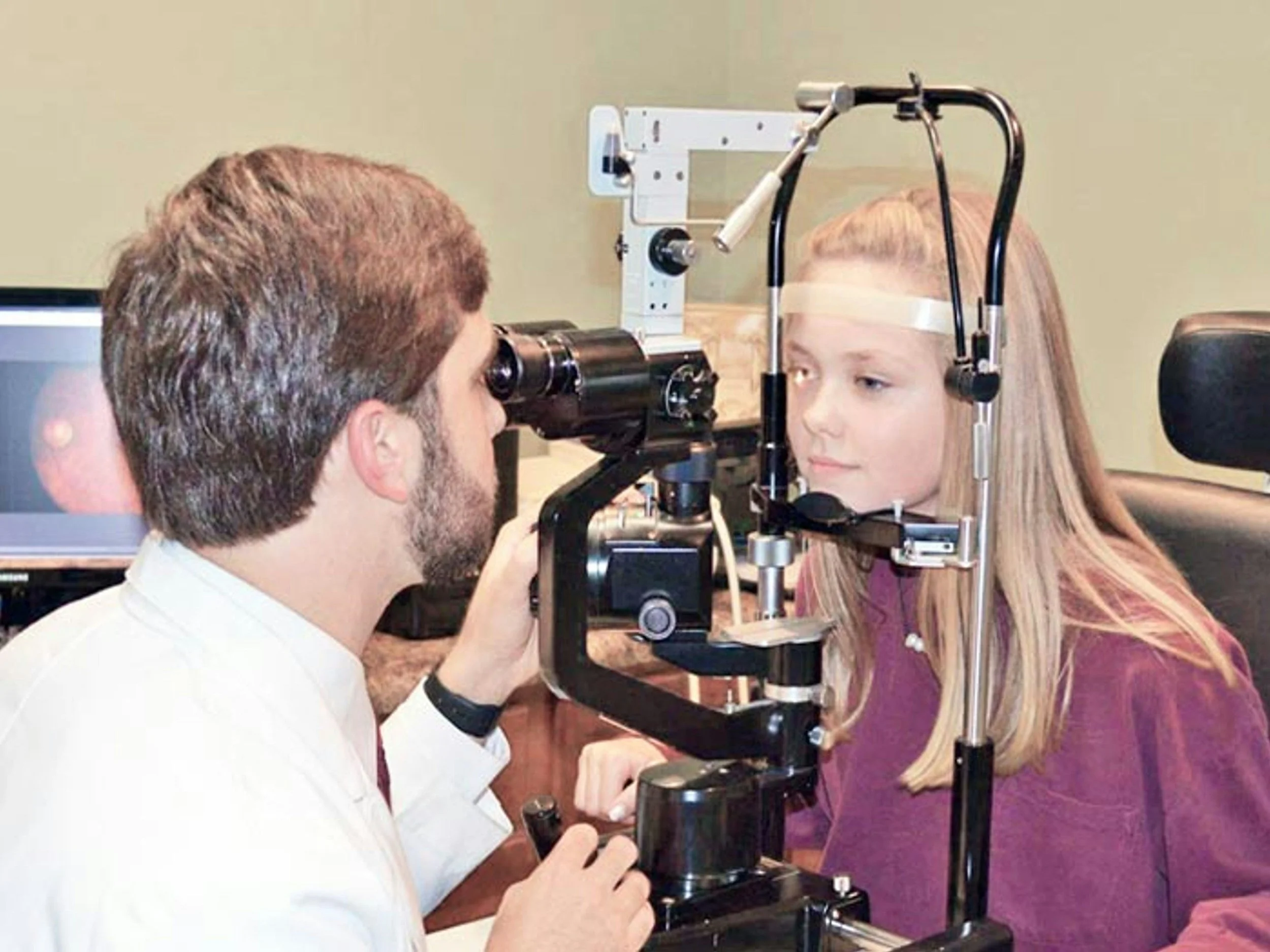
Many teenagers do not think much about eye health. You might feel well now and assume you always will. But it is recommended that teenagers aged 13 to 18 have a full eye test every two years, even if you do not wear glasses.
You may become short‑sighted as you grow. This means far‑away things, like the classroom whiteboard or the cinema screen, look blurry. It is very important to get your eyes tested when you start learning to drive.
If you are aged 16, 17 or 18 and in full‑time education, you can get a free NHS eye test. You may also receive help paying for glasses.
-
Contact lenses can be a good choice for teenagers. They are safe, comfortable and work well for most people.
They can help if:
you do not like wearing glasses
you play sports or take part in physical activity
Contact lenses give clear vision, do not get dirty or foggy, and reduce the chance of injury if you fall while playing sports.
-
You can book an appointment with any high street optician.
They will:
talk to you about your eyes and your family’s eye health
check your vision
examine the health of your eyes
If you need more detailed tests, the optician can refer you to a hospital eye clinic.
Hospital clinics offer a range of tests and can support young people with different needs.
If you feel nervous, tell the optician before your appointment. They can explain what will happen.
-
If you are worried about your hearing, speak to your General Practitioner (GP).
They can:
look inside your ears
suggest a hearing test if needed
Some opticians also have hearing specialists, and some school nurses can check your hearing too.
You may be referred to:
audiology (hearing specialists)
Ear, Nose and Throat (ENT) at the hospital
These teams can carry out detailed hearing tests.
-
Here are some other difficulties young people may experience. You can read more in the main sections.
Difficulties Processing Sound
Some young people find it hard to process everyday sounds.
Sounds may seem:
too strong
too quiet
confusing
These differences can affect behaviour and daily life.
Being Sensitive to Sound
Some young people find certain sounds uncomfortable or upsetting.
This is sometimes called hyperacusis.
A strong fear of specific sounds is called phonophobia.Difficulties Processing Visual Information
Visual processing is how the brain makes sense of what you see.
It can affect reading and how you understand written information.
Being Sensitive to Visual Input
Some young people are very sensitive to things they see, such as:
bright lights
busy patterns
Visual Stress When Reading
Visual stress describes symptoms like:
eye strain
tired eyes
discomfort when reading
Some people find that colour filters help reduce this.