

Teenage Zone
Neurodiversity Hub Wirral
Toileting Problems in Teenagers
Sometimes young people have worries about their bladder or bowels, like needing the toilet a lot or having accidents. This can feel upsetting, but it’s actually really common and nothing to be embarrassed about. This section explains what these problems might look like and gives simple ideas to help you feel better and more confident. You’re not alone, and there are people who can support you.
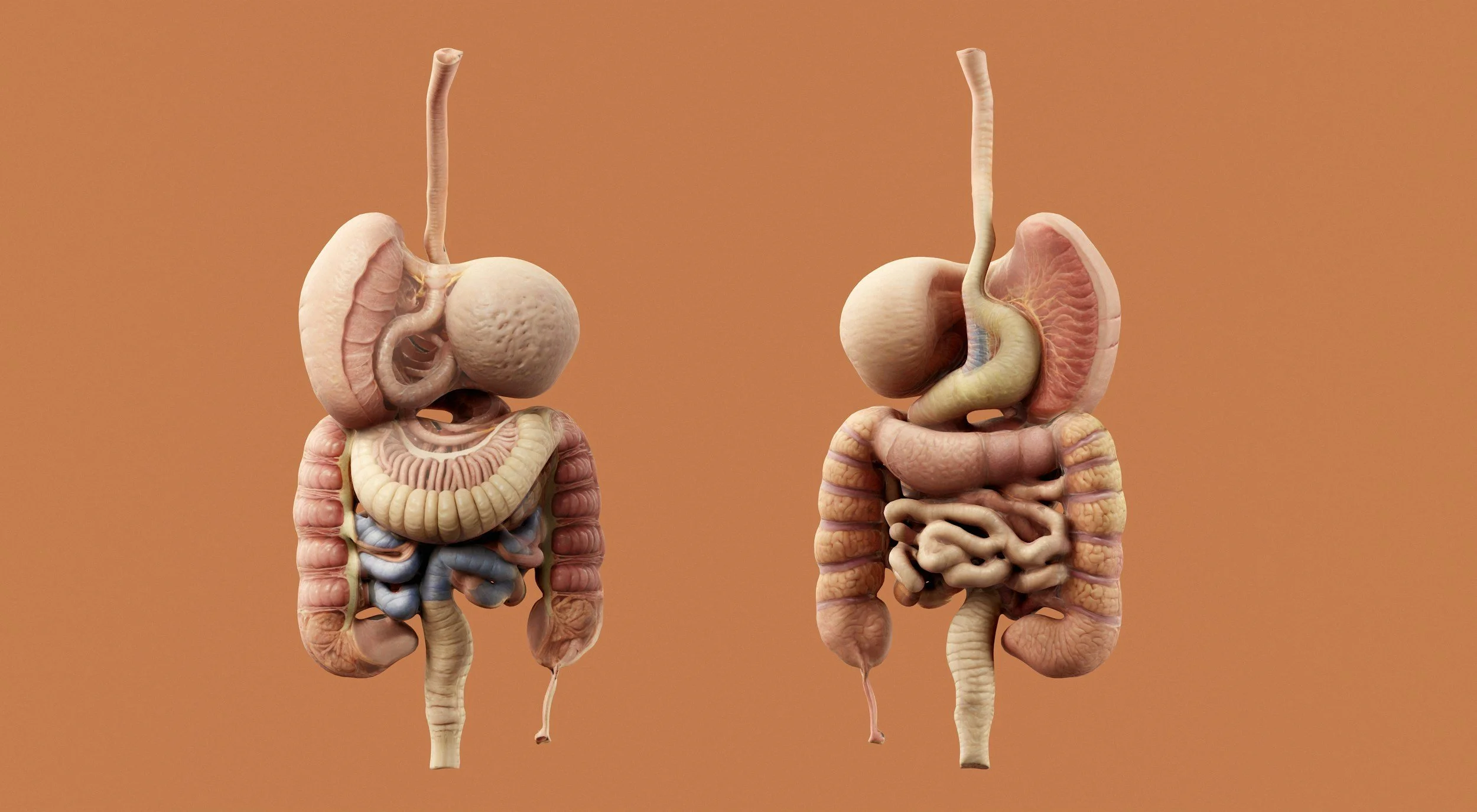
-
Teenagers can experience different bladder and bowel difficulties. These may include:
Frequency
Needing to pee more than seven times a day.
Urgency
Feeling a sudden need to get to the toilet quickly, some or all of the time.
Wetting
Pee leaking out on its own, often with little or no warning.
Bedwetting
Wetting the bed during sleep.
Some teenagers may have other bladder or bowel problems during the day, but some may only wet the bed at night.Constipation
Having a poo fewer than three times a week, or having poos that are:
hard to pass
painful
very large or very small
very sticky
very hard or very loose
needing to strain to poo
Soiling
Poo leaking into underwear. This may happen when:
the body gives no warning that poo is coming
the teenager does not feel the poo in their underwear
-
Here are some simple steps that can help with bladder and bowel issues:
Drink plenty of water‑based drinks
Aim for:
1½ to 2 litres a day for teenage girls
2 to 2½ litres a day for teenage boys
More on hot days or if doing a lot of exercise
Drinking enough helps to:
keep pee pale and less irritating to the bladder
prevent constipation
lower the risk of urinary tract infections (UTI)
Avoid drinks with caffeine
These include tea, coffee, hot chocolate and energy drinks.
Caffeine:makes the kidneys produce more wee
irritates the bladder
can make wetting worse
Avoid drinking in the hour before bed
Especially important if you experience bedwetting.
Eat plenty of fruit and vegetables
Aim for five to seven portions a day.
This helps prevent constipation.Go to the toilet when you feel the need
Do not wait or hold it in.
Talk to someone you trust
Support is available (see below).
-
Yes, school can help.
If you have bladder or bowel problems, you can ask for a medical pass that allows you to leave lessons to use the toilet when you need to. Most schools will provide one once they understand the issue.
You can:
talk to your pastoral leader (head of year or head of house)
ask your parent or carer to speak to school
ask the school nurse to help you get a pass
If you are worried about:
the condition of school toilets
limited access to drinks
You can raise this with the school council. Friends may be able to support you too.
-
Some teenagers have bladder or bowel problems related to a medical condition they were born with, or due to illness or injury. They may need:
catheters
medicines
special bowel management programmes
If this applies to you, follow the guidance given by your healthcare team.
If you feel worried or things are getting harder, speak to a health professional as soon as you can.Life as a teenager can be challenging. Wanting to feel the same as everyone else is normal.
If you had leaks when you were younger and adults reacted negatively, you may feel nervous about asking for help now.
But today, we understand these issues better. Bladder and bowel problems are not your fault, and you should feel confident seeking support.Trying to hide these problems can make you feel different or alone. If others find out, you may worry about teasing or bullying. These difficulties can affect:
confidence
friendships
taking part in school trips or sleepovers
Continence problems can sometimes affect mental health and lead to low mood.
-
Most bladder and bowel problems can be treated.
Some improve quickly; others take longer and need regular routines.If you or someone you know is affected, please ask for help.
School Nurse
Most secondary schools offer drop‑in clinics with the school nurse.
Reception can tell you when the nurse is in school.
You do not need to say why you want to see them.GP (General Practitioner)
You can tell your parent or carer and ask them to book an appointment.
If you are over 16, you can:register with a GP yourself
make your own appointment
More Information
Bladder and Bowel UK:
https://www.bbuk.org.uk/toileting-troubles-in-teenagers-and-young-people/ERIC also offers helpful information for teenagers on topics such as:
managing medical appointments
managing feelings and relationships
trips away from home
managing at school and college
moving to university (ERIC Young Champions)