

Teenage Zone
Neurodiversity Hub Wirral
Teenage Zone
Your Brain Is Changing – And You Can Shape It
Your brain is growing and changing as you move toward adulthood. You don’t need to rush. Your brain won’t fully develop until around age 24. Right now is your time to learn, explore, and find your place in the world.
Your brain has added about a billion new brain cells (called neurons) to help you do this. The neurons you use will grow stronger. The ones you don’t use will fade away. That’s normal and healthy. It helps your brain focus energy on the skills and ideas that matter most to you.
Your Brain Is Fast – But the Brakes Aren’t Ready Yet
Your brain develops from the back to the front. The amygdala—the part that controls emotions and instincts—develops early. It helps you react quickly in dangerous situations, but it doesn’t always help with calm decision-making.
The pre-frontal cortex—the part that helps you think clearly, plan, and make good choices—develops later. It’s like the brakes on a fast car. Until it’s fully developed, your decisions may be more emotional or impulsive.
How to Help Your Brain Grow
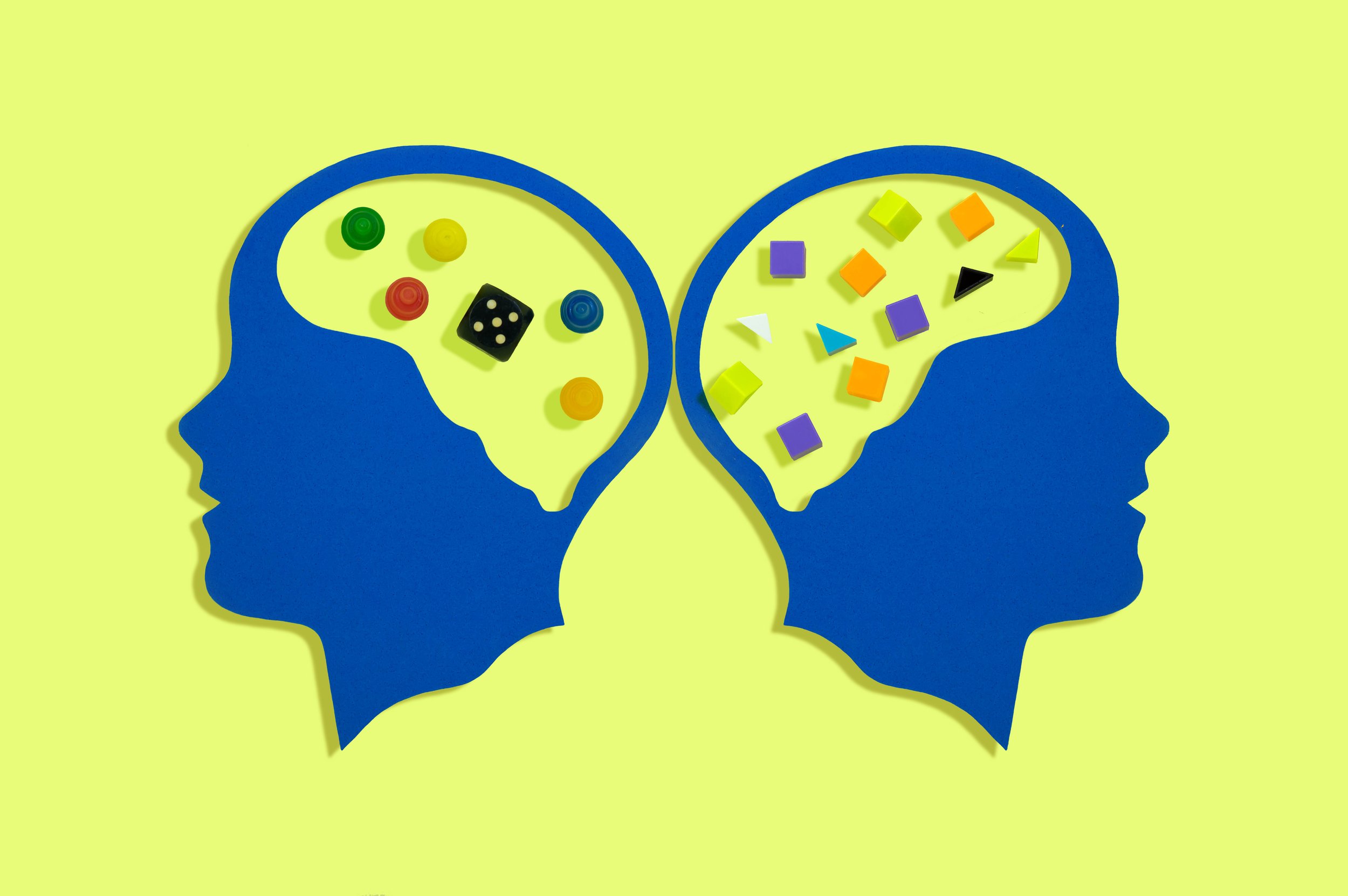
Your brain is becoming more powerful, but it needs your help. Every experience changes your brain. If you spend time doing things you enjoy—like music, sports, drama, painting, cooking, or learning a language—those parts of your brain will grow stronger.
If you spend too much time doing very little, your brain cells won’t get the exercise they need. Brains love action and learning. Couches are great for relaxing, but not for growing strong brains.
How to Use This Knowledge
You’re ready to try new things and take risks. That’s part of growing up. But because your brain is still learning how to read situations, things might not always go as planned.
Before jumping into something, pause and think. Listen to your intuition—the quiet voice built from your memories and experiences. It can help you make smart choices while still being brave and creative.
Hello Hormones! Your Brain Is Adjusting
Hormones like testosterone, oestrogen, and progesterone increase during puberty. These hormones affect your brain and emotions.
For girls, oestrogen and progesterone affect mood. Big feelings are normal and healthy.
For boys, testosterone works with the amygdala. You might feel anger or fear more strongly than before.
These feelings are okay. What matters is how you respond to them.
How to Handle Big Feelings
Hormones affect the limbic system, the emotional part of your brain. You might feel more intense emotions and crave deep experiences. Listening to music or watching movies can help you process these feelings safely.
Strong emotions can lead to mistakes, but they can also inspire courage and change. Many important movements in history started with young people who felt strongly and acted bravely.
You’ll also feel joy and excitement. These feelings help you connect with others and discover your passions. Hold on to them—they help build a beautiful life.

Your Brain Is Like an Open Window
Your brain is very sensitive to what you experience. Good experiences help it grow. Harmful ones can shut it down.
Think of your brain like a house still under construction. A storm can damage it more than it would a finished house. That’s why stress and addiction can be especially harmful during adolescence.
How to Protect Your Brain
Your brain is amazing because of what you choose to do. Be careful with your choices. They can shape your brain in lasting ways.
Let’s Talk About Addiction
Dopamine is a brain chemical that makes you feel good when you get something you want. Your brain has less dopamine than an adult’s, so you might feel flat sometimes. But when you do get something you want, your brain releases more dopamine than an adult’s brain would. That rush feels great—and it can make you want more.
This can lead to addiction. It might be to unhealthy things like drugs, alcohol, or gambling. Even healthy things like exercise, social media, or gaming can become harmful if done too much.
How to Stay in Control
Notice when you feel pulled toward something that isn’t good for you. That’s dopamine talking. Your brain is strong, smart, and creative—but also vulnerable. You have the power to make choices that protect it.
Your Brain Is Still Building – So You’ll Need to Work a Bit Harder
Your pre-frontal cortex—the part of your brain that helps you make smart choices—is still developing. This means you might find it harder to stop yourself from doing something risky or impulsive.
But there are safer ways to get a dopamine boost (dopamine is a brain chemical that makes you feel good). Try:
Listening to music
Exercising
Learning something new
Taking on a challenge
Your brain is encouraging you to be brave and fearless. That’s great! Just be smart about it.
Feeling Like a Rebel? That’s Normal
What Your Brain Is Doing
Right now, your brain is wide open to new experiences. You’re likely craving adventure, challenge, and novelty. This is a good thing—it helps you grow and prepares you for adulthood.
But this craving can also lead to risky behaviours, like:
Lying about where you are
Sexting
Drinking
Using drugs
It can also lead to amazing things, like:
Sports
Performing
Activism
Travel
Competitive activities
Your job is to tell the difference between good risks and bad risks. That’s hard, because your pre-frontal cortex (the part that helps you think about consequences) isn’t fully developed yet. You might overestimate the good and underestimate the bad.
How to Make It Work for You
Trying new things is important. You don’t want to miss out on experiences that help you grow. But just because something feels like a good idea doesn’t mean it is.
Sometimes you’ll feel invincible. You might take risks without thinking about what could go wrong. You might also find it harder to learn from mistakes.
You have control over your brain—but you need to switch it on. Slow down. Think about the good and the bad. Talk to adults who care about you. They’ve been through this too. They’ve made mistakes and learned from them.
Being a rebel can sound cool—but remember, your parents were rebels once too.
Doing Two Things at Once Is a Myth – Yes, Even for You
What Your Brain Is Doing
Your brain can only focus well on one thing at a time. If you try to do more than one task, your brain will switch between them. This means neither task will be done as well as it could be.
How to Make It Work for You
If something involves risk, give it your full attention. That’s why texting while driving is dangerous. The same goes for driving with loud friends or studying with the television on. Your brain is amazing—don’t overload it.
Sleep Is a Superpower (Yes, Really That Good)
What Your Brain Is Doing
Your brain releases melatonin (the sleep hormone) about two hours later than an adult’s. That’s why you feel wide awake around 7 or 8 p.m. and don’t feel sleepy until after 10 p.m. Melatonin also stays in your body longer, which makes mornings harder.
Your brain is growing fast and needs 9–10 hours of sleep. While you sleep:
Your brain clears out unused neurons and strengthens the ones you need.
Your memories and learning from the day are reinforced.
Your brain replays and makes sense of emotional experiences.
How to Make It Work for You
Write this down: “Everything feels better with sleep.”
Start winding down an hour before bed. Put away devices—the light delays melatonin and keeps you awake. Try reading, listening to music, or light studying.
If you’re stuck on a problem, sleep on it. Your brain will work on it while you rest.
You’re on a different sleep schedule than adults. Sleep when you can—even if it’s not when others do.
What Happens If You Don’t Sleep Enough
Skin issues like acne may get worse
You may crave unhealthy food
You’ll feel moody, impatient, and low
You’ll make more poor decisions
You’ll learn less and forget more
You’ll be less creative and struggle to solve problems
You may misread others and feel they’re upset with you—even when they’re not
You Might Misread People’s Emotions – That’s Normal
What Your Brain Is Doing
Adults use the pre-frontal cortex to read facial expressions. This helps them understand emotions more accurately.
Teenagers often use the amygdala, which is sensitive to danger and reacts quickly. This can lead to misreading emotions—like seeing anger or threat when there isn’t any.
How to Make It Work for You
If you think someone is angry or upset, pause. You might be right—but you might not be. Misreading emotions can damage relationships.
Use your voice. If you’re unsure how someone feels, ask them—preferably in person. Texting can make things more confusing when emotions are involved.
Avoid jumping to conclusions. Cool off before reacting. If something feels black and white, there’s probably more to it.
Learning to manage emotions and relationships is part of emotional intelligence—one of the most powerful skills you can build. Now is the perfect time to practice.
You’ll Worry More About What People Think of You
What Your Brain Is Doing
During adolescence, your brain becomes more sensitive to social cues. Just knowing someone might be watching you can trigger a strong reaction in your brain and body.
Your brain pays close attention to what others might be thinking. This can feel uncomfortable, especially because you might misread those signals. It’s normal—adolescence is tough!
Your brain also releases more oxytocin (the bonding hormone), which makes you more self-aware. You start thinking about who you are, what matters to you, and the kind of world you want to live in. That’s a good thing—but it can also make you more sensitive to others’ opinions.
How to Make It Work for You
Here’s the truth: everyone your age worries about what others think. Your brain is wired to connect with peers, so the fear of being left out can feel painful.
Sometimes people exclude others to feel stronger in their group. It’s not fair, and it’s not about you. It’s about their own need to figure out who they are.
If you feel left out, remember: it’s temporary. It doesn’t reflect who you are. You are brilliant, kind, strong, and amazing. You are nobody’s victim.
You Might Feel Distant From Your Parents
What Your Brain Is Doing
Your brain is helping you separate from your family and connect with your peers. This is part of growing up. You’ll start questioning your parents and thinking differently. That’s healthy.
You’ll also begin to see that your parents aren’t perfect. You might disagree with how they do things. That’s okay. If you stay calm and explain your thoughts clearly, you’re more likely to be understood—even if they don’t always agree.
How to Make It Work for You
Your family will still matter, just in a different way. This shift happens for everyone. Your ability to think creatively and question things helps the world grow and improve.
Be grateful for differences. They make life interesting. Your ideas, along with those of other young people, help shape a better future.
You Can’t Always Blame Your Brain
What Your Brain Is Doing
Your brain has a lot of influence—but you’re still in charge. People won’t care what your brain was doing if they’re left picking up the pieces.
You’re not a robot. You make your own choices. Take time to think things through. Look at the situation from all sides—even the ones you’d rather ignore.
The difference between brave and reckless is how much time you spend thinking about the consequences.
How to Make It Work for You
You’re awesome. These changes are leading you toward something amazing. Not everything will go smoothly. Some days will be hard. But if you make the best choices you can to stay safe, you’ll look back and laugh.
The mistakes, the awkward moments, the falls—they’ll become stories you treasure.