
Eating and Drinking: Teenage Zone
Neurodiversity Hub Wirral
Healthy Eating Tips for Teenagers
The teenage years are a key time for growth and change. Teenagers become more independent and start making their own food choices. Wherever possible, they should be encouraged to be active and eat a varied diet.
A healthy, varied diet gives your body the energy and nutrients it needs. This helps you concentrate at school, take part in sports and feel well.
Below are some simple tips.
-
Some people think skipping breakfast helps with weight loss. This is not true.
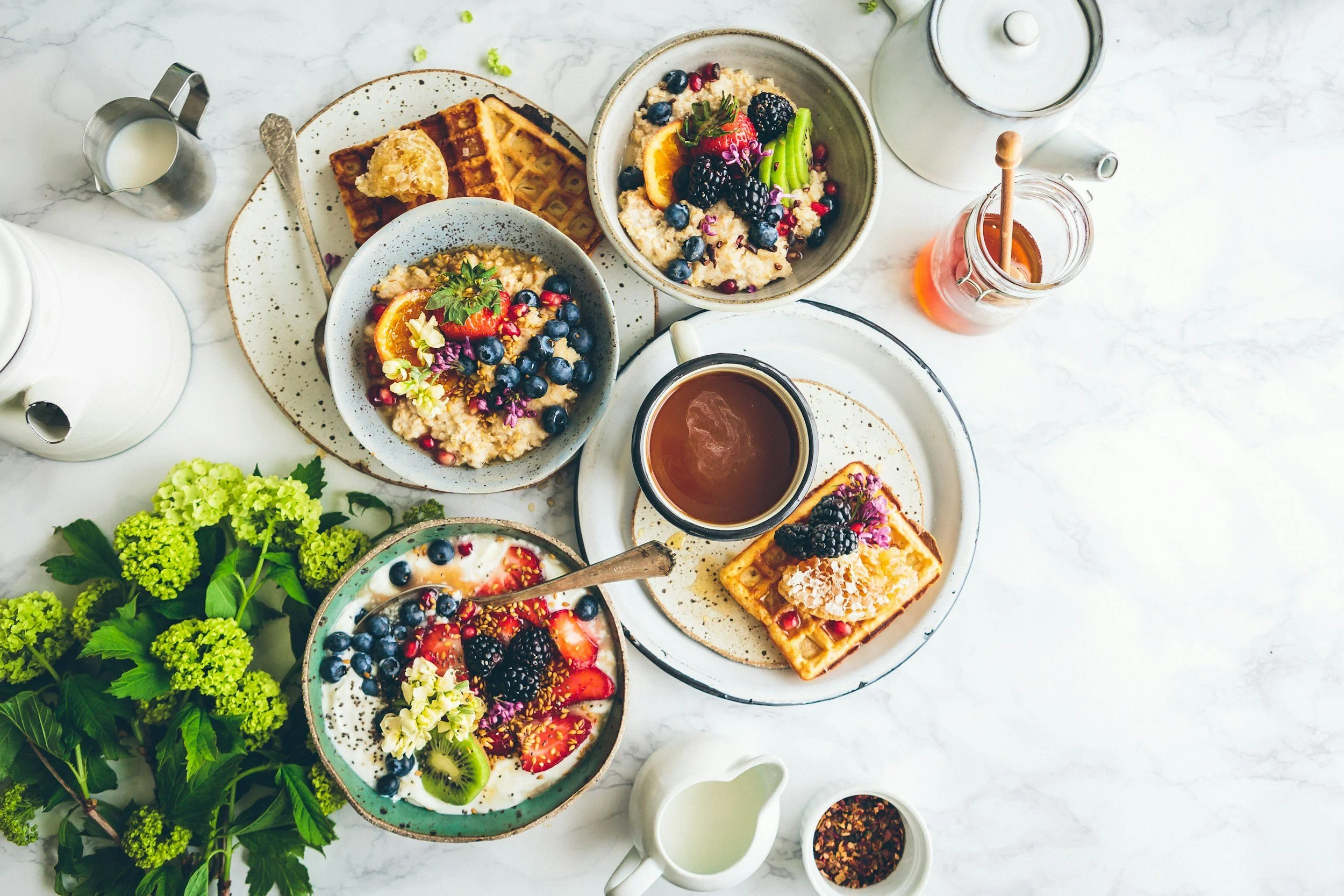
Breakfast gives you energy after a long time without food.Ideas for breakfast:
wholegrain toast with low‑fat spread, a glass of orange juice and low‑fat yoghurt
a bowl of cereal (low in fat, salt and sugar) with low‑fat milk (green, orange or red‑cap milk), plus an apple or banana
porridge with chopped banana and blueberries or dried fruit
boiled, poached or scrambled egg on toast, with a fruit smoothie
-
Try to have breakfast, lunch and dinner each day.
At each meal, include:
at least one portion of fruit or vegetables
a starchy food such as wholemeal bread, wholewheat pasta or potatoes with the skin on
Aim for five portions of fruit and vegetables a day. Fresh, frozen, canned and dried all count.
Examples of one portion:
two small fruits (plums or satsumas)
one medium fruit (banana or apple)
one heaped tablespoon of dried fruit
-
All children and young people should be treated as individuals. Their food likes and dislikes, and their religious or cultural food needs, should be respected.
Food should look and smell appealing. This helps children enjoy eating. This is especially important for children who need food with changed textures because of swallowing difficulties.
Meal and snack times should fit the child’s needs. Some children may need small meals and snacks more often during the day.
Children should have enough time to eat and drink. If a child eats slowly, make sure their food stays warm and safe to eat.
Many toddlers go through a fussy stage. But it can be harder when an older child still eats only a few foods. Parents and carers often try many ideas, but nothing seems to help. This can cause stress and affect relationships.
Some children may refuse food because it looks different. They may fear new foods. They may focus on small details, like colour, shape or brand. They often prefer familiar packaging. They may not see why they should try something new.
There are some helpful “Do’s and Don’ts” when supporting children with restrictive or other eating difficulties.
Try to
✓ Let the child eat the foods they enjoy.
✓ Eat new foods in front of them, but do not expect them to try them.
✓ Play simple food games that let them touch, see and smell new foods.
✓ Involve them in meal preparation so they can explore food safely.
✓ Put small bowls of new foods on the table so they can choose to look or touch if they want.
✓ Stay calm and positive if they try something new.
✓ Encourage eating together with family or friends.Try not to
✗ Prompt too much. This can make them less likely to try new foods.
✗ Pressurise them. This can increase anxiety.
✗ Bribe them. If they are scared, bribing will not help.
✗ Use food as a reward. Use stickers, fun activities or time together instead.
✗ Hide a new food in a favourite food. They may stop eating that favourite food in the future.
✗ Look anxious. Children can sense your feelings. If you look worried, they may feel worried too.Eating a varied diet is good for health, but many children find this hard. Some children eat only a few foods. Others may eat too much. This section explains common issues and ways you can help.
Research indicates that children who are anxious and sensory-sensitive are more likely to have issues with eating.
Children who feel anxious or have sensory sensitivities often find eating difficult. This is very common in neurodivergent children.
Some eating patterns you may see include:
only eating a few foods
not being able to eat at school
only eating when alone
going long periods without food
overeating
eating non-food items, known as pica
These behaviours can be hard to understand and manage. Parents and carers may feel worry, frustration, or even blame themselves. It can be stressful when a child struggles to eat a healthy, varied diet.
-
Iron is important, especially for teenage girls who lose iron during their period.
Iron helps make red blood cells, which carry oxygen around the body.Nearly half of teenage girls do not get enough iron.
Good sources include:
red meat and liver
wholegrains (such as wholemeal bread)
iron‑fortified cereals (such as cornflakes or Weetabix)
dark green vegetables (spinach, broccoli, peas)
beans (kidney beans, chickpeas, baked beans)
dried fruits (raisins, apricots, figs)
seeds (sesame or pumpkin seeds)
-
During your teenage years, your bones grow quickly. They get bigger, stronger and denser. Most of your bone mass is built between ages 18 and 25. By the end of your teenage years, you will have built at least 90% of your adult bone strength.
This makes your teenage years the best time to look after your bone health.
Good sources of calcium include:
dairy foods such as milk, yoghurt and cheese (choose low‑fat versions if you can)
white and brown bread (calcium is added to flour in the UK)
calcium‑fortified dairy alternatives such as soya drinks and yoghurts
calcium‑fortified breakfast cereals
dark green vegetables (spinach, peas, cabbage)
fish you can eat with the bones (canned sardines, canned salmon or whitebait)
-
Your body loses water when you exercise, especially through sweat. It is important to drink enough every day.
Try to have 6 to 8 glasses of fluid a day.
Good choices include:
water
low‑fat milk
A small 150ml glass of unsweetened fruit juice is fine, but only once a day.
Try to avoid sugary or energy drinks as these can harm your teeth, especially between meals.
-
Fast food often contains a lot of saturated fat, salt and sugar. Eating too much of these foods can affect your health. It is best to have them only sometimes.
-
If you get hungry between meals, choose healthier snacks such as:
fresh or dried fruit
a small handful of unsalted nuts and/or seeds
yoghurt
wholemeal pitta bread with dips such as houmous, cream cheese or salsa
More ideas:
https://www.what0-18.nhs.uk/health-for-young-people -
Everyone has their own eating style, and many ways of eating are healthy. But some eating patterns are linked to strong worries about body weight or body shape.
These thoughts can affect the body and daily life. These eating patterns are called eating disorders. Eating disorders are often a way of coping with stress or difficult feelings.
Below are some common eating disorders.
-
A person with anorexia is underweight and has a strong fear of gaining weight. They may:
limit or restrict what they eat
avoid foods they think will make them gain weight
make themselves sick (purge)
exercise too much to lose weight
Treatment for under‑18s:
Children and young people should be offered:family therapy
another talking therapy such as CBT or adolescent‑focused psychotherapy
More information:
https://www.nhs.uk/mental-health/conditions/anorexia/overview/ -
A person with bulimia is usually a healthy weight. They often binge‑eat large amounts of food in a short time and feel out of control. They then try to “undo” the eating by:
making themselves sick
using laxatives or diuretics
fasting
exercising too much
Treatment for children and young people:
Young people are usually offered:family therapy
CBT (if family therapy is not suitable)
More information:
https://www.nhs.uk/mental-health/conditions/bulimia/overview/ -
EDNOS is when a person shows most, but not all, signs of anorexia nervosa or bulimia nervosa. They still need support and treatment.
What to Expect When You Come to the Service
We understand that meeting new people and talking about personal things can feel worrying. Your first appointment will be a new patient assessment — a chance for us to get to know you and understand what you need.
What We Talk About in the Assessment
We will ask questions about different areas of your life. This helps us understand your strengths, challenges and what support may help you.
You can have some time on your own during the assessment if you prefer.
You can write notes before the appointment and bring them with you if helpful.
Finding the Right Support for You
Our aim is to learn what support you need. Sometimes another service may be more helpful for you. If so, we will explain this and help plan the next steps.
You Are in Control of Your Care
You do not have to attend appointments. It is your choice to work with us.
If you want to stop at any time, we will respect that decision and help with safety planning if needed.
If we feel you are at high risk of harm and not able to work with us, we will discuss other options with you and your parents or carers.
How We Keep Your Information Safe
Anything you tell us is confidential within the team.
If we need to share information to keep you or someone else safe, we will explain:
why we are sharing it
who we are sharing it with
Stories and Information About Eating Disorders
Anorexia: Katie’s Story – NHS: https://www.youtube.com/watch?v=tOouAmEEnlc
It Happens to Boys Too – Freddie Flintoff (BBC): https://www.youtube.com/watch?v=d7qYccObggc
What It Means to Have an Eating Disorder – NHS: https://www.youtube.com/watch?v=DRQe8NcqvVY
More information:
https://www.nhs.uk/mental-health/feelings-symptoms-behaviours/behaviours/eating-disorders/overview/Where to Get Support
If you are a young person struggling with an eating disorder, these resources may help:
Beat Eating Disorders – https://www.beateatingdisorders.org.uk/
Centre for Clinical Interventions (CCI) – https://www.cci.health.wa.gov.au/
Provides self‑help modules you can use on your own or with a parent or carer.
-
Drinking alcohol before age 18 can be harmful. The younger you start, the more harm it can cause.
Some substances can make you feel relaxed or confident, but these effects are temporary and can cause bigger problems later.
For example, you may:
feel you need alcohol or drugs to cope
feel worse when the effects wear off
feel physically unwell
Why Drugs Can Be Dangerous
There is always risk when taking drugs. Drugs affect people differently, and it is hard to know what is in them.
If used often, you may reach a point where:
the drug starts to control you
you hide your use
you prioritise getting more
you think about drugs or alcohol constantly
These are signs of addiction, which is closely linked to mental health problems
Why Alcohol Is Risky for Teenagers
Your brain is still developing during your teenage years.
Drinking alcohol can lead to:
memory problems
difficulty learning
problems with verbal skills
higher risk of alcohol dependence as an adult
higher risk of mental health illnesses later in life
Alcohol and Your Daily Life
Drinking at a young age may affect your:
hobbies, sports and activities
ability to cope with stress
likelihood of trying other substances
school performance
confidence
risk of developing anxiety, depression or self‑harm
thoughts about suicide
More information:
ZILLO Wirral
YoungMinds – https://www.youngminds.org.uk/young-person/coping-with-life/drugs-and-alcohol/
GOV.UK – https://www.gov.uk/alcohol-young-people-law