

Teenage Zone
Neurodiversity Hub Wirral
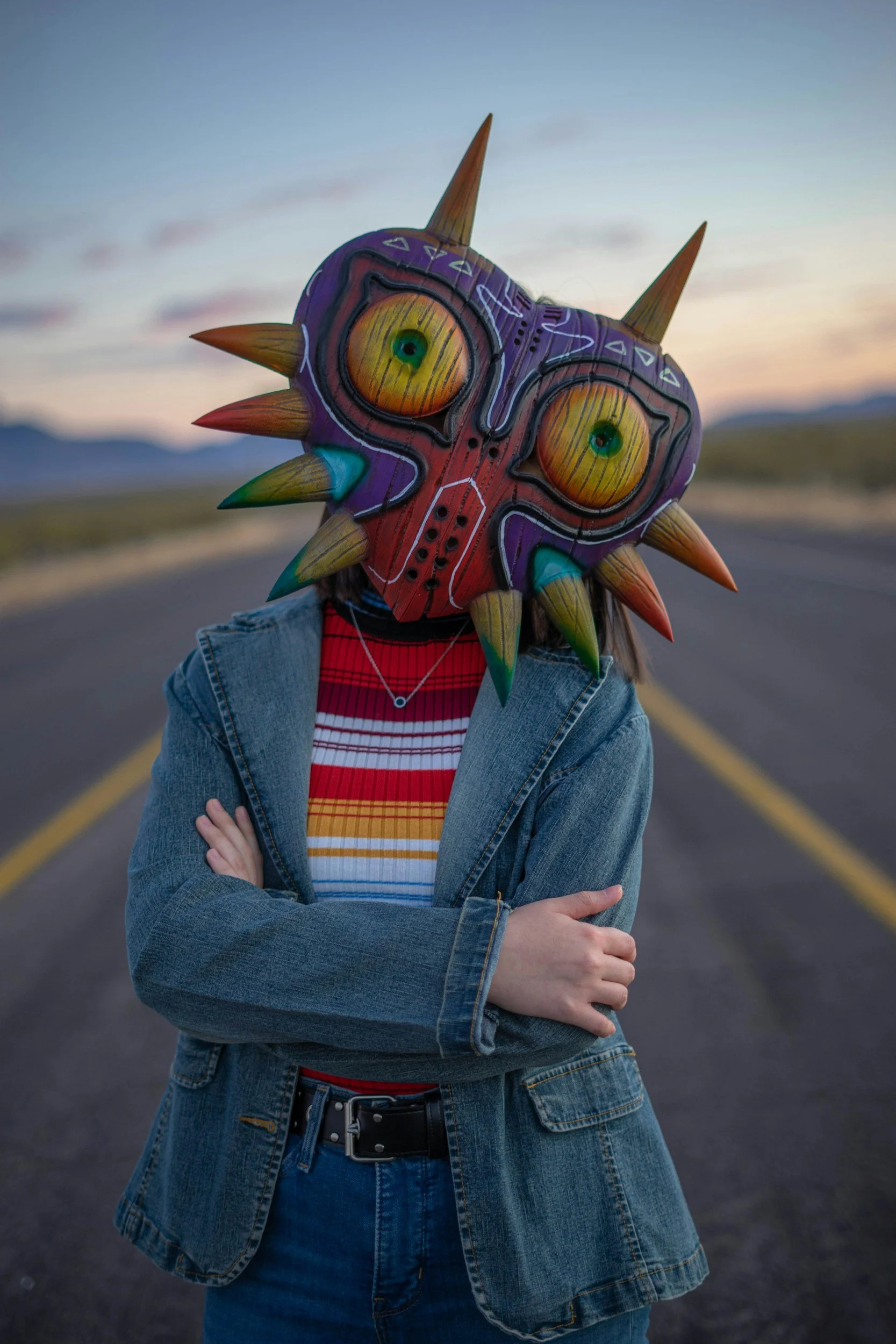
Take time to explore the things that bring you joy. It can feel hard to remove the mask and find your true self after masking for many years.
Ask people who know you well to help. This might be family, friends, or trusted professionals. Other neurodivergent people can also be great to talk to.
Find places where you feel safe to unmask and be your real self. For some people, this might be clubs such as dance, drama, or sport. For others, it might be online spaces, or quiet places to be alone or with people who feel safe.
Think about what helps you feel comfortable. You could create a real or online toolkit to take with you. This might include a fidget toy, earplugs, headphones, or permission to stim. Stimming means repeating movements or sounds that help you feel calm.
If you can, find a trusted adult at school or college and tell them how things really are for you. You can write it down or send an email if speaking is hard. Many school staff are surprised when they learn a student is struggling because "they seem fine." If your school or college has an Autism Champion (a staff member who supports autistic students), this could be a good place to start, even if you do not have an autism diagnosis. Any trusted adult can support you.
You may want to keep a journal of moments when you mask. Write down how masking makes you feel. Try unmasking in safe places and record what happened. Many people find that their fears of being judged or embarrassed do not come true.
You could also ask to use a neurodiversity profiling tool. This is a guide used by schools to better understand your needs.
Always remember that neurodivergent people bring many strengths. Neurodivergent people enrich the world. In every school, shop, cinema, and room, there are people with different brains. Great things happen when we celebrate these differences and the brilliant minds that everyone has.
Words from Cerys – a young person with Autism on Masking
“To me, I have masked forever. I don’t remember a time when I didn’t need to. Primary school is when I first noticed masking affecting my life. I was struggling at school, so I masked without knowing. This made it look like I was doing well and was the ‘golden child’. But at home it was different. Home felt safe, so I stopped masking, and my behaviour showed how hard things really were.
I still mask now. I mask so I do not seem different in crowds. I mask to hide the parts of me that are not like others. Masking is exhausting. Trying to be accepted and changing who you are to fit in takes a toll on your emotions. For me, this leads to burnout. I shut down and become overwhelmed. I have what I call meltdowns. People who do not understand me find this distressing. It is distressing for me too.
I am trying to stop masking to prevent more meltdowns and burnouts. I am a high masker. I burn out at least five times a month. This is not healthy, so I am trying to unmask. During burnout or meltdown, I cannot communicate. Things that help me are having a quiet and safe space, painting, listening to music, and texting people I trust. I can unmask around my family or in public when I am with people who feel safe, like my boyfriend or family.
Since my Autism diagnosis at 17, I have learned a lot about myself and masking. Now I understand why I struggled in school, at work, and even in friendships. At school I found it hard to ask for help, so I started failing classes. At work I found it hard when there was no routine. With friends, small disagreements were harder because I took jokes literally and corrected people. This made me seem stubborn. Now I have friends who understand and accept me. I also have a very supportive family.
I would say this: Do not be afraid to say no. Give yourself time to rest. And use your amazing, unique brain to celebrate who you really are.”