
Teenage Zone
Neurodiversity Hub Wirral
Teenage Zone
As a teenager, your body is growing stronger. You are building better coordination, balance, and endurance. You are also improving your ability to judge distance and use hand-eye coordination. With practice, you can learn the skills needed for adult sports.
Fine Motor Skills
Fine motor skills use the small muscles in your hands. These skills help you:
Write longer paragraphs or essays
Eat with a fork or spoon
Play sports
Dress yourself
Cut food with a knife
Handle small objects
You also need hand-eye coordination (using your eyes to guide your hands) and bilateral coordination (using both hands together or one hand to help the other).
It’s never too late to improve your fine motor skills. With patience and regular practice, you can get better!
Fun Fine Motor Activities for Teenagers
Finding fun activities that build fine motor skills can be tricky—but not impossible! Try things that interest you:
Jigsaw puzzles – Choose puzzles with 300–500 pieces for a good challenge.
Board games – Games like Monopoly or Jenga use small pieces and help build coordination.
Friendship bracelets – Use wire, fabric, or yarn to make cool patterns.
Lego sets – Pick a theme you like (characters, landmarks, vehicles). Sets with 1000–5000 pieces are great for teens.
Dice games – Rolling and handling dice builds finger control.
Clay or pottery – Sculpting helps strengthen your hands.
Baking and cooking – Measuring, pouring, and stirring all use fine motor skills.
Sewing – Try simple sewing projects. It’s a great life skill!
Painting – Paint figurines or create art on canvas.
Model making – Build model cars or buildings.
Playing a musical instrument
Practicing beauty routines
Note: Using phones, tablets, and computers too much can reduce fine motor strength. Try to balance screen time with hands-on activities.
Gross Motor Skills
Gross motor skills use your whole body. As a teenager, you are building strength, coordination, and endurance. You are also improving your ability to judge distance and use hand-eye coordination.
Activities to Improve Gross Motor Skills
Trampolining
Jumping helps with balance and can be part of a sensory routine. Try a trampoline park with friends or use a mini trampoline at home (with safety gear like a jump bar).
Bowling
Rolling a ball and aiming at pins builds coordination. You can also make a home version using empty bottles and a soccer ball.
Walking or Climbing
Hiking or walking on uneven ground strengthens your core muscles.
Swimming
Swimming uses your whole body and builds strength. It also helps with proprioceptive awareness (knowing where your body is in space).
Playground Activities
Rope ladders and wobble bridges help build core strength. It’s also a fun way to revisit the playground.
Riding a Bike or Scooter
Some teens learn to ride later than others. Scooters are easier to start with. Once you learn, biking helps with balance and gives you independence.
Dancing
Dancing improves balance, coordination, and movement planning. It’s also a great way to socialise.
Why P.E. Can Be Difficult for Young People with Dyspraxia / Developmental Coordination Disorder (DCD)
Dyspraxia, also called Developmental Coordination Disorder (DCD), is a common condition that affects movement and coordination. It does not affect intelligence.
Dyspraxia can make it harder to:
Keep balance
Play sports
Use small objects
Write
Learn to drive
Common Challenges in P.E.
Young people with dyspraxia or DCD may experience:
Balance issues – falling, wobbling, or trouble standing on one leg
Hand-eye coordination – difficulty catching or aiming a ball
Foot-eye coordination – trouble kicking or trapping a ball
Motor planning – difficulty figuring out how to move correctly (e.g. climbing equipment)
Stamina – tiring quickly, especially during long runs
Spatial awareness – bumping into people or objects, trouble finding open space
Processing speed – reacting slowly, missing the ball
Short-term memory – forgetting game rules
Fine motor skills – struggling to change clothes before and after lessons
Self-organisation – losing P.E. kit or forgetting equipment
Why Team Sports Are Especially Hard
Team sports can be tough because they often require:
Watching surroundings constantly
Reacting quickly to changes
Moving around others and the pitch
Keeping up energy
Predicting others’ actions
Judging the ball’s speed, direction, and distance
Staying focused for the whole game
Understanding rules and strategies
Because team games are competitive, they can lead to frustration and low self-esteem.
Dyspraxia – Hints and Tips for Teenagers
The Dyspraxia Foundation offers helpful advice for teenagers. Remember: you are unique. You don’t have to do things that make you uncomfortable just to fit in.
Hobbies and Leisure Activities
Don’t worry about what others are doing.
Find a hobby or activity you enjoy and look for local groups.
You’ll likely meet people with similar interests.
Staying active is important for your health. Try sports or activities like climbing, canoeing, or cycling—even if they’re not mainstream.
Writing or Typing
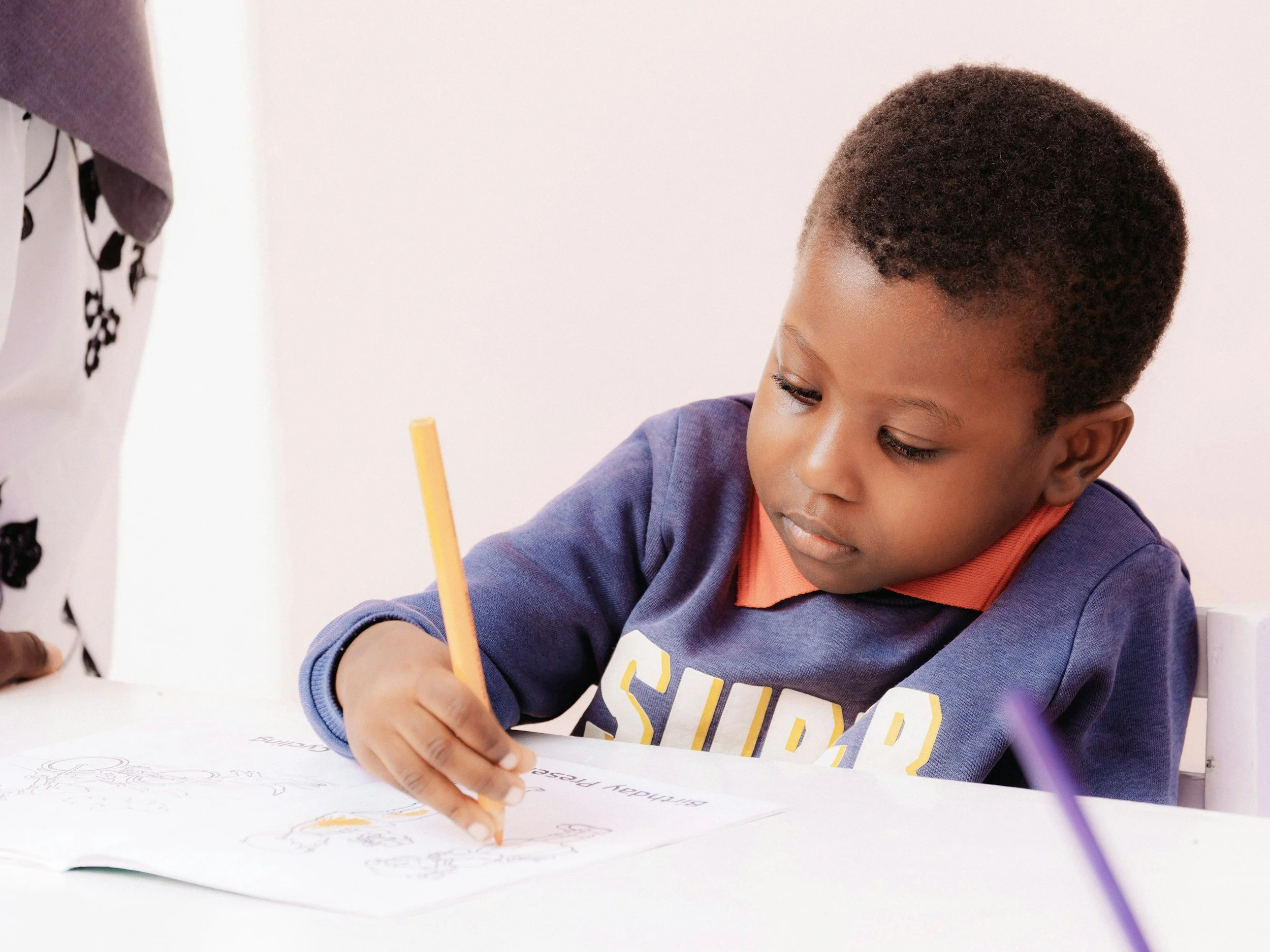
Try different pens or pencils. Chunky ones with weight may be easier to hold.
Typing is a useful life skill. Use free online typing programs to learn.
Touch screens (like tablets) may be easier to use.
Set up folders on your device to store work. This helps you find things quickly.
Organisation for School, College, or Work
Pack your bag, make lunch, and check your timetable the night before.
Use sticky notes on the door to remind yourself of special items.
Laminate and colour-code a small timetable. Keep it in your bag or jacket.
Match timetable colours to your exercise books.
Choose a bag with outside pockets. Keep the same items in each pocket.
Use a rucksack-style bag with two shoulder straps. These are better for posture and easier to carry.
If your bag has a quick-release strap, fasten one strap before putting it on and secure the other after.
Useful Links
Watch a film about dyspraxia by Abi Hocking: YouTube – Abi Hocking on Dyspraxia
NHS Information on DCD/Dyspraxia: NHS – Developmental Coordination Disorder