About the ‘This is Me’ Tool
Children and young people who show signs of neurodevelopmental needs can now use a new tool called ‘This is Me’. This profiling tool helps find out what support a child or young person may need.
The Neurodiversity (ND) Profiling Tool is the first step in understanding neurodiversity in children and young people aged 0 to 19. The tool supports early identification and early help for children and young people with neurodevelopmental needs.
Nature and Nurture and Why it matters
Nature and nurture are two key ideas that help explain human behaviour.
Nature can be described as biological factors that people are born with or develop as they grow. These include their genetics, the hormones that are in their body and the way their body developed during puberty. Without medical help, these nature factors are very difficult to control or change in a person.
Nurture means environmental factors like the people who surround you, diet and experiences. It can also include trauma. This could be an adverse childhood experience, like domestic violence or a serious injury. The child may experience it first hand or witness it. We know these experiences can have a tremendous effect on how people develop.
Professionals work with families to understand whether behaviours come from nature, nurture, or both. For example, a child might have a high attention span. It could be due to their brain wiring (Nature). It could be related a strong need to get everything right (perfectionism). It could be learnt from parenting style or experience at school (Nurture).
Environmental factors include:
Relationships with others
Physical health and diet
Social and cognitive stimulation
Trauma, such as domestic violence, abuse, or serious injury
These factors can strongly affect development, especially in early childhood.
Nature includes:
Genetics
Hormones
Physical development during puberty
These factors are harder to change without medical help.
Professionals look at behaviour, past events, and family and medical history. They try to understand what causes certain behaviours. Because the human mind is complex. It’s not always possible to know the exact cause. Misunderstanding behaviour can lead to incorrect diagnoses or labels. This can affect a child’s future and wellbeing.
Professionals trained to work with children think carefully about whether behaviour is shaped by nature, nurture, or both. This helps them choose the right support and intervention.
What is Neurodiversity?
Neurodiversity means that people’s brains work in different ways. People think, learn and behave differently. These differences are normal.
Neurotypical describes someone whose brain works in the way most people expect. They usually meet developmental milestones at the usual ages.
Neurodivergent describes someone whose brain works differently from what is typical. This can show in many ways. Some differences are small and hard to notice. Others are more obvious.
How Does This is Me Work?
The This is Me Tool is a visual document. The profile is completed with the family, not for them. The tool gives a full picture of a child or young person’s needs. It suggests strategies to help at home, in early years settings, school or college, and in the community.
It looks at nine areas of development for a child or young person aged 0 to 19.
speech and language
energy levels
attention and impulse control
emotion regulation
motor skills
sensory processing
flexibility and adaptability
systemizing and empathising
Cognitive ability
Families complete the profile with professionals—not for or to them. This shared approach helps build trust and understanding.

-
Research shows that neurodevelopmental traits exist along a wide spectrum. Current diagnostic systems often set a fixed point on this spectrum. For example, the Childhood Autism Rating Scale (CARS) gives a diagnosis of autism if a child scores above 30 points. If they score below 30, they do not receive a diagnosis.
This method can be misleading. It suggests that everyone with a diagnosis is the same, and everyone without one is “typical.” It ignores important differences in social skills, attention, and thinking styles. It also overlooks the needs of children who fall just below the diagnostic threshold.
-
Wirral wants uses a needs-led approach to help people to have support as early as possible. It looks at the whole child, not just a label. It includes children and young people who may not meet the criteria for a diagnosis but still need support.
This approach encourages shared language and understanding between caregivers, health professionals, and educators. It helps identify concerns early and respond with timely, appropriate support. It also promotes a holistic view—looking at the whole person, not just a label.
Instead of focusing on a diagnosis like autism spectrum disorder (ASD), attention deficit hyperactivity disorder (ADHD), or learning disability (LD), the profile gives a broader picture of the child’s temperament and needs.
-
The tool helps parents and carers get support even if their child does not have a diagnosis. It encourages conversations between families and professionals to understand the child’s unique needs. They share their views and get a better understanding of what makes the child unique.
Together, they can co-produce a picture of the child’s temperament and map out their unique traits. Since temperament changes over time, the profile can track development and show progress. This often helps families see how far their child has come and imagine what the future might hold.
-
Traditional approaches often follow this pattern:
Referral
Specialist assessment
Diagnosis of a specific disorder
After diagnosis, families may find there is little follow-up or tailored support. Diagnoses are rarely personalised, which can lead to less effective plans.
The profiling tool changes this. It introduces help at the earliest opportunity. This helps everyone understand the child’s individual needs and how to support them—whether or not they have a diagnosis.
By the time the child’s profile is created families and professionals will know the child’s strengths and challenges. They can then offer the best possible support.
-
Not every child needs to be screened. The tool is used when parents or professionals have concerns about a child’s development. It is not for every child.
Parents may talk to health visitors, early years settings, teachers or Special Educational Needs Coordinators (SENCOs). Sometimes professionals will raise concerns first.
The profile can be shared with anyone the parent or young person chooses.
-
The Neurodiversity Profiling Tool includes nine areas that represent different aspects of neurodiversity. Each area is explored through a conversation between a parent or carer, a professional, and the child or young person—when they feel ready and able to take part.
You can complete the profile in one session, but it often takes longer. The tool is subjective, meaning it relies on personal views. However, when parents or carers and professionals work together, the result is a rich and complete picture of the child or young person’s strengths and needs.
This detailed profile helps identify what support is needed in different parts of life—at home, in school or college, and in the community. The process is collaborative and person-centred. It is done WITH the family, not FOR or TO the family.
-
Once completed, the tool creates a “profile on a page.” This shows:
· Strengths
· Areas that need support
· Suggested strategies and support options
This visual summary makes it easier to understand than a long written report. You can share it with anyone who supports the child or young person, helping them understand what works and what help is needed.
The Nine Neurodiversity Subsections
The tool divides neurodevelopmental traits into nine unique areas. Experts—including clinicians, specialists, caregivers, and past service users—helped design these sections. They made sure the language is clear and the behaviours are easy to understand.
Here are the nine areas:
1. Speech and Language – How the child or young person communicates
2. Energy Levels – Their physical and mental energy throughout the day
3. Attention and Impulse Control – How well they focus and manage impulses
4. Emotional Regulation – How they manage and express emotions
5. Motor Skills – Coordination and movement abilities
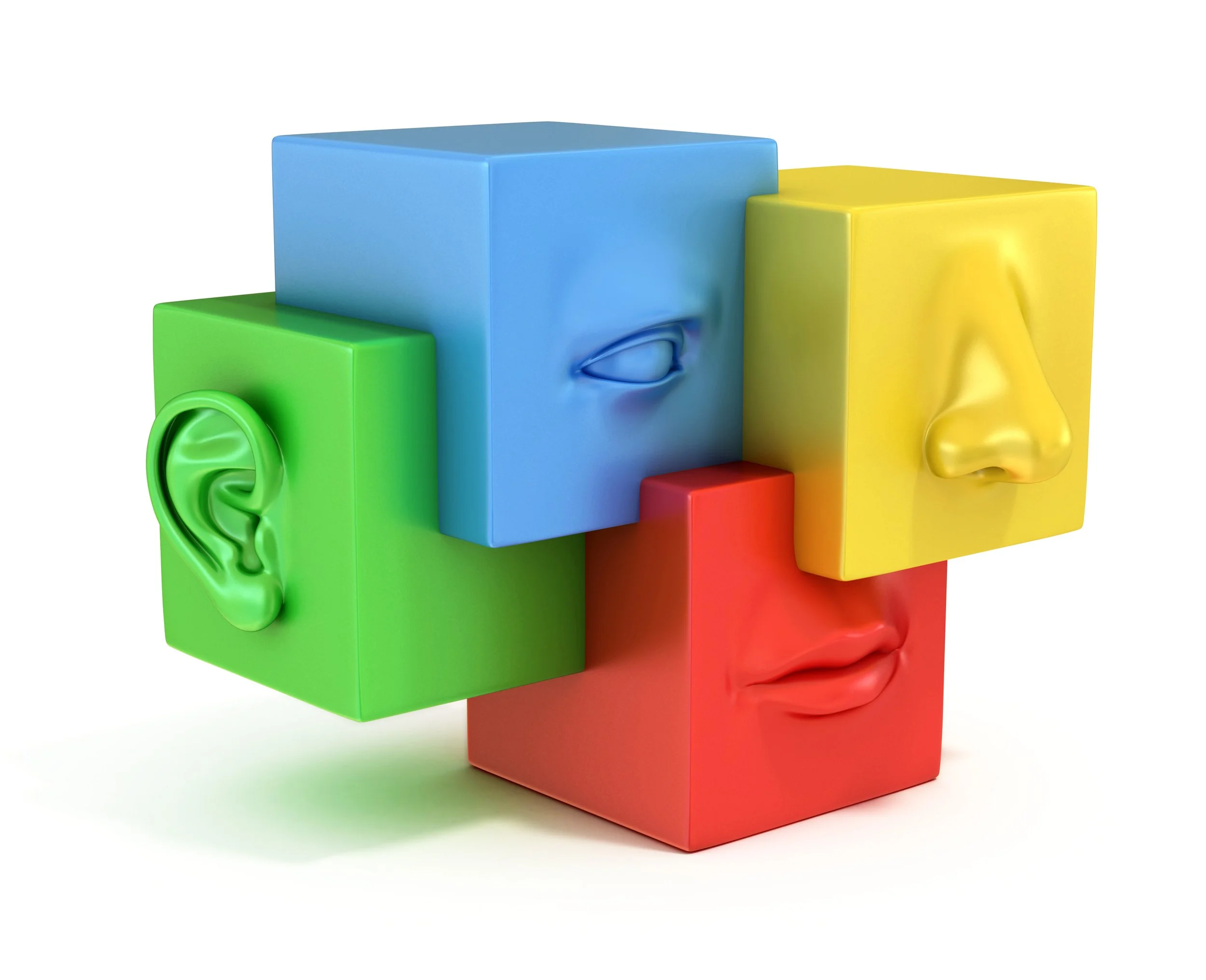
6. Sensory – How they respond to sensory input (touch, sound, light, etc.)
7. Flexibility and Adaptability – How they cope with change and new situations
8. Systemizing and Empathizing – How they understand systems and other people’s feelings
9. Cognitive Ability – How they think, learn, and solve problems
Before You Complete This is Me
It is helpful to know which behaviours are part of each domain of This is Me. In each area you will find a section called ‘Getting Started’. Take a look at each one. It will help when you meet to complete the tool.
-
Speech, Language and Communication
-
Energy Levels
-
Attention and Impulse Control
-

Emotional Regulation
-
Motor Skills
-
Sensory Processing
-
Flexibility and Adaptability
-
Systeming and Empathising
-
Cognitive Ability