

Under-eating
Neurodiversity Hub Wirral
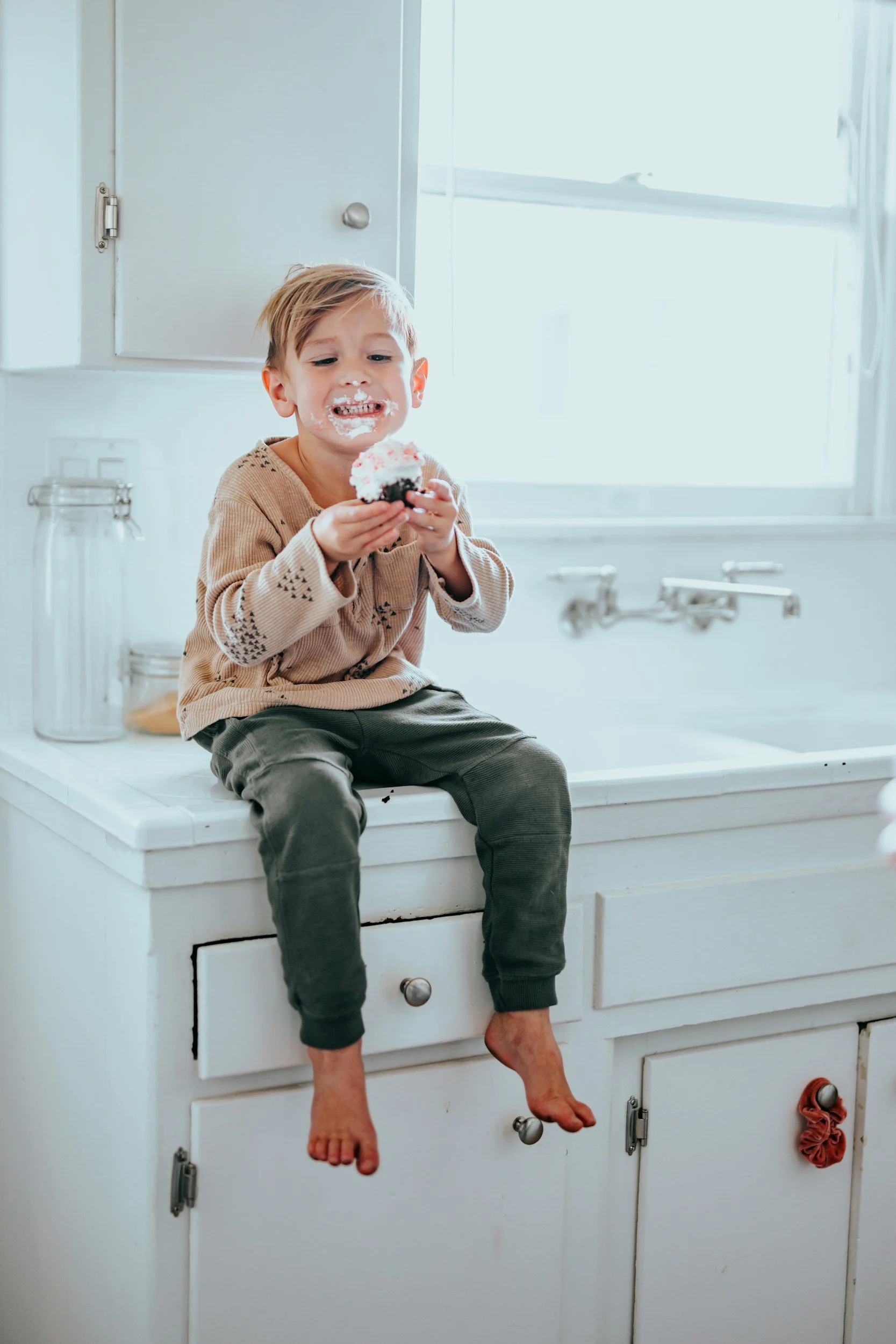
It is normal for children to be fussy with food. Some children stay picky as they grow up without it harming their health. But for some children, trying new foods is very hard. They may avoid foods with a texture, smell or taste that feels unpleasant or overwhelming to their senses.
The colour and shape of food can also affect what they can eat. Some children only eat crunchy foods. Others only eat soft or mushy foods.
A strong dislike of textures may be due to sensory needs. It could also be linked to low muscle tone in the mouth or a motor planning difficulty. Some children gag when eating. They may avoid foods they think will make them gag, because their oral‑motor skills are still developing.
Children who eat only a few foods are at higher risk of missing important nutrients. These include vitamin A, vitamin C, iron, zinc and calcium. It may help to offer foods with these nutrients more often. Some children may need a daily multivitamin and mineral supplement.
So, what can help?
-
There is usually no need to worry if your child:
eats from each main food group
is growing well
You should get advice if your child is:
eating fewer than 20 foods
refusing all foods from one or more food groups
constipated (constipation can reduce appetite and may need treatment)
showing signs of tooth decay linked to their diet
losing weight or not growing well
gaining too much weight
showing behaviour such as tiredness or pica (eating non‑food items), which may suggest a nutrient deficiency
missing school because of eating difficulties
coughing or choking while eating, or having repeated chest infections (especially if they have developmental delays or physical disabilities)
missing out on social activities because eating difficulties affect family life
-
It can help to write down what your child eats and when. A food diary can sometimes be reassuring. You may find that they eat more types of food than you first thought.
Try to note:
Time: When did they eat? (Example: 11:05)
Food: What did they eat? (Example: salt and vinegar crisps)
Place: Where were they? (Example: living room)
Amount: How much did they eat? (Example: two bags)
People: Who was there? (Example: mum and brother)
Reactions: How did others respond? (Example: mum praised, brother did not react)
Environment: What was happening around them? (Example: radio playing)
A diary may show patterns. It may help you see whether the main problem is:
the amount of food eaten
the type of food
the range of foods the child eats
It may also help you understand what sensory or emotional factors are involved.
-
You can find an example food diary here:
https://elht.nhs.uk/application/files/1115/9239/5661/Food_diary_form.pdfA food diary helps you see what your child eats, when they eat and what may affect their eating.
-
Below are ideas that may help your child try new foods or eat a wider range of foods. Every child is different, so some ideas may work better than others.
Keep your instructions clear, consistent and calm.
If your child refuses food, try not to react too much. This helps reduce pressure.
Environment
Look at the place where your child eats. Small changes can make a big difference, especially if your child has sensory needs.
Some ideas include:
If the canteen is too noisy, see if they can eat in a quieter space.
Check the chair. If it is too hard, add a cushion.
Reduce background noise, such as radios or washing machines.
Some children relax when they hear familiar music or an audio story. This can lower anxiety and make eating feel less stressful.
Sensory experience
Neurodivergent people often have sensory differences. They may be very sensitive (hyper‑sensitive) or less sensitive (hypo‑sensitive) to sensory input.
During meals, they may react strongly to how food:
looks
smells
tastes
feels
Interoception (the awareness of internal body signals) also affects how children notice hunger and fullness.
These sensory differences can cause anxiety around food. They can also affect how a child feels during meals. Below are some helpful ideas.
Suggestions to support sensory needs
Use music or calming sounds to help your child relax.
Try an active activity before mealtimes. This can help them focus and sit. Ideas include animal walks, marching, bouncing or gentle oral‑motor play (blowing games, sucking games, chewing or deep pressure massage around the mouth).
A weighted lap pad can help your child feel grounded.
Use an air‑filled cushion if your child needs movement or finds sitting still difficult.
Have a clear routine. A clear “ending” to the meal can help your child stay seated.
For example:
“We stay in our chairs until it is clean‑up time.”
Let your child blow or kiss “goodbye” to the food.
Allow them to push or drop one piece of each food into a bin or scraps bowl.
This gives one final safe sensory experience of the food.
-
Some children eat better when they are with adults or other children. Your child may be more willing to try new foods when they see other people eating and enjoying the same foods.
It can help to model the behaviour you want to encourage. This might mean:
the whole family taking part in exercise
everyone avoiding snacks between meals
everyone trying to eat something from each food group each day
Some children stay picky beyond the toddler years. This is often because familiar foods feel safe and predictable. You will need patience, understanding and sensory strategies to slowly introduce new foods.
Below are some simple tips.
Do not give up
Keep serving new foods even if your child rejects them.
Children may need to see a food many times before they will try it.
Introduce one new food at a time to help them get used to it.
Allow small steps
Ask your child to take one small bite.
If they cannot tolerate it, let them spit it out into a paper towel.
Start with tiny steps, like praising them for licking the food or touching it to their lips.
Use a slow familiarisation process
You can help your child get used to new foods by taking it one step at a time:
Start with photos of the food.
Have the food on the table where they can see and smell it.
Place the food on their plate (do not let it mix with other foods if textures are an issue).
Let them touch it with their fingers.
Let them touch it to their lips.
Let them touch it to their tongue.
Work slowly towards eating a small taste.
Use a “no list”
Allow your child to choose a few foods they really dislike.
Promise that these foods will not be forced.
Keep your promise to build trust.
Support with textures
If your child avoids mixed textures, use a divided plate or several small plates.
Allow separate forks for different foods.
Introduce textures slowly.
For example:start with plain pasta
add a tiny amount of tomato sauce
slowly increase the sauce
later add small chunks of tomato or meat when they are ready
Use incentives
Give points or tokens for trying a new food.
Let your child trade these for a small toy, an activity or extra screen time.
Adjust food temperature
Some children eat better with very cold food. This can “wake up” the mouth.
Others prefer lukewarm food. This is fine if it helps them eat.
Make food fun
Cut foods into fun shapes using cookie cutters.
Arrange foods on the plate to make simple animals or faces.
Children’s cookbooks can give more ideas.
Avoid serving food in its original packaging
Some companies change their packaging often.
Your child may think it is a different food and refuse it.
Serving food without packaging can help avoid this problem.
-
Social stories are short stories that use simple words and pictures. They explain everyday situations so a child knows what to expect.
A social story can help your child understand why we eat and what food does for the body.
Here is an example:
“We all need to eat food. Food is like fuel. It gives us energy. When we have energy, we can do the things we enjoy. If we miss out on food groups, we may feel tired.
-
Physical pain can change how a child eats.
For example:gut pain may lead to overeating for comfort
constipation can reduce appetite
heartburn can stop a child wanting to eat
toothache or mouth ulcers can make eating painful
some medicines (such as Ritalin) can reduce appetite
others (like antibiotics) can cause stomach upset
A child may feel full because their stomach is bloated, even when their body needs more food.
Help your child communicate pain or discomfort. You could use:
a visual stress scale
PECS (Picture Exchange Communication System)
pictures of body parts
symbols for symptoms
pain charts, scales or apps
-
Encourage activities that include movement and exercise. Exercise can help with weight management and reduce stress. Both can affect eating habits.
If your child avoids exercise, think about why. They may struggle with balance, coordination or social interaction.
-
Children who are sensitive to smell or taste may prefer very plain foods. Strong smells or flavours may feel overwhelming.
Children who are less sensitive may prefer bold flavours.Some children find certain textures difficult, such as very hard or very sloppy foods.
You can change food in small ways to make it easier to try:
purée food
change colour using safe food colouring
introduce new textures in small steps to reduce sensory overload
-
Some children eat better when they are with family or friends. They may try new foods when they see others enjoying them.
For others, mealtimes with others feel stressful. They may eat more when alone in a quiet room.
When eating away from home, prepare your child by telling them:
who will be there
where they will sit
what people might talk about
what they could say to join in
Feeling prepared can lower anxiety
-
Many children have strong interests or routines. These can affect eating.
For example:an obsession with certain foods or calorie counting can lead to under‑eating or overeating
strict routines can lead to a limited diet
However, special interests can also help.
You could:
turn an interest in food into cooking or writing recipes
use favourite characters (for example, a Thomas the Tank Engine plate)
cut foods into shapes linked to their interest
explore foods from a country linked to their favourite singer or sports team
add stickers of favourite characters to food packaging
Many children rely on routine and sameness. They may need:
meals at the same time each day
the same seat at the table
the same plate or cutlery
This need for sameness may explain why some children prefer processed foods. Processed foods taste and look the same each time, while fresh foods can vary.
Introduce new foods or textures in small, gentle steps.
-
You can use visual information to help your child understand what will happen at mealtimes and reduce anxiety around food.
You could:
make clear daily or weekly menus and show when the next meal will be
give your child visual tools that help them express how they feel, such as stress scales, hunger and fullness scales, or happy/sad faces
use visual supports to show what food they will eat and when they might try something new
For example, you can create:
a weekly menu
a section that says: “This week I will try: [food name]”
a list of new foods for your child to choose from
A timetable can also help. Your child may need regular mealtimes. You can give structure while keeping some flexibility. For example:
“Lunch will be between 12:15 and 12:30.”
“We will do colouring, then we will have dinner.”
Be specific
Food can look different even when it has the same name. For example, apples can be red, green or yellow, and each type tastes different.
A child may like one kind of apple and dislike another. A picture of a green apple may confuse them if you give them a red one. Clear pictures help avoid this confusion.
Try not to
Avoid calling foods “good” or “bad,” or “healthy” and “unhealthy.” Some children may take these labels literally. This can lead to anxiety or strict eating patterns.
Encourage your child to handle and prepare food
If a child is very selective with food, helping with food preparation can make a difference.
You could:
let them help choose what goes in their lunchbox
support them to prepare simple foods
increase their contact with food in a safe and fun way
This can build trust and positive feelings about food.
Try simple activities like:
making sandwiches
creating fruit kebabs
baking small cakes
making simple pizzas
Food presentation/adapting food
Some children are very sensitive to small changes. How the food looks on the plate, how it is cooked, or the packaging it comes in can decide whether they will eat it.
Think about:
Has the food been placed in a different spot on the plate?
Is it overcooked or undercooked?
Are there “bits” or lumps?
Has the packaging changed?
Has the colour of the logo changed?
Is the box damaged?
Is it a different brand than usual?
If your child is sensitive to textures, smells, tastes or colours, you can use this to support them to try new foods.
For example:
purée foods (including new ones) if they struggle with textures
use food colouring to match a preferred colour, or to make a new food more appealing
-
You can help your child feel in control by breaking new foods into small, manageable steps. Try to introduce new foods outside of mealtimes. This keeps mealtimes calm and enjoyable.
You can use a slow step‑by‑step process:
Look at the food.
Touch the food with their hand.
Put the food on their plate.
Smell it.
Lick it.
Put it in their mouth.
Take a small bite.
Chew it.
Swallow it.
If your child spits food out, try to stay calm. This is part of learning how to cope with new foods. These steps may take months, and that is okay. The goal is to help your child feel comfortable around different foods, not to make them eat everything.
Rewards
Reward systems can help.
However:try not to use favourite foods as rewards
this can make the favourite food seem even more special
it may make new foods feel like a chore
Focus rewards on tolerating new foods, not eating large amounts.
Examples:
If your child tolerates a new food on the plate → give them a sticker
If they can put the food in the bin → two stickers
If they can touch the food → three stickers
Celebrate all progress, no matter how small.
Food books
A food book is a simple diary that shows what your child likes and dislikes.
You can:
put pictures or drawings of favourite foods at the front
put disliked foods at the back
move foods forward in the book as your child becomes more familiar with them
This can motivate your child and give them a sense of achievement.
Games
Trying new foods during a fun activity may feel easier than trying them at mealtimes.
You could play simple food‑based games. For example:
Use a board game where landing on certain squares means:
“touch a new food”
“smell a food”
“pick up a food”
“lick a food”
Games make exploring food feel safe and less stressful.
Coping strategy
Sometimes what looks like an obsession is actually a coping strategy.
Some children feel overwhelmed by the world around them. This can create anxiety.A child may:
over‑eat
avoid food
stick to strict routines
These may be ways of coping with stress or low self‑esteem.
Try to:
reduce stressful things your food diary has shown
support different coping strategies, such as spending time on a special interest or using a calming app
When to seek medical advice
It is normal for toddlers to go through a phase of eating less or being picky. Around one‑third of two‑year‑olds are fussy eaters.
Great Ormond Street Hospital says:
Try not to worry if your child’s diet looks limited. Most toddlers still manage to get enough nutrients for healthy growth.
But speak to a doctor if your child:
is losing weight
seems weak, tired or irritable
has a fever
looks generally unwell
A doctor may check for underlying issues such as anaemia, which is linked to low iron intake.