

Visual Impairment & Social Communication

Neurodiversity Hub Wirral

What Visual Impairment Means

A child is described as visually impaired when their sight problems are strong enough to affect their learning.
Most children with a visual impairment still have some useful vision. Only about five in every 100 children are totally blind. Most children who are blind or have very low vision are born with their sight condition. A small number lose their sight later because of illness or an accident.
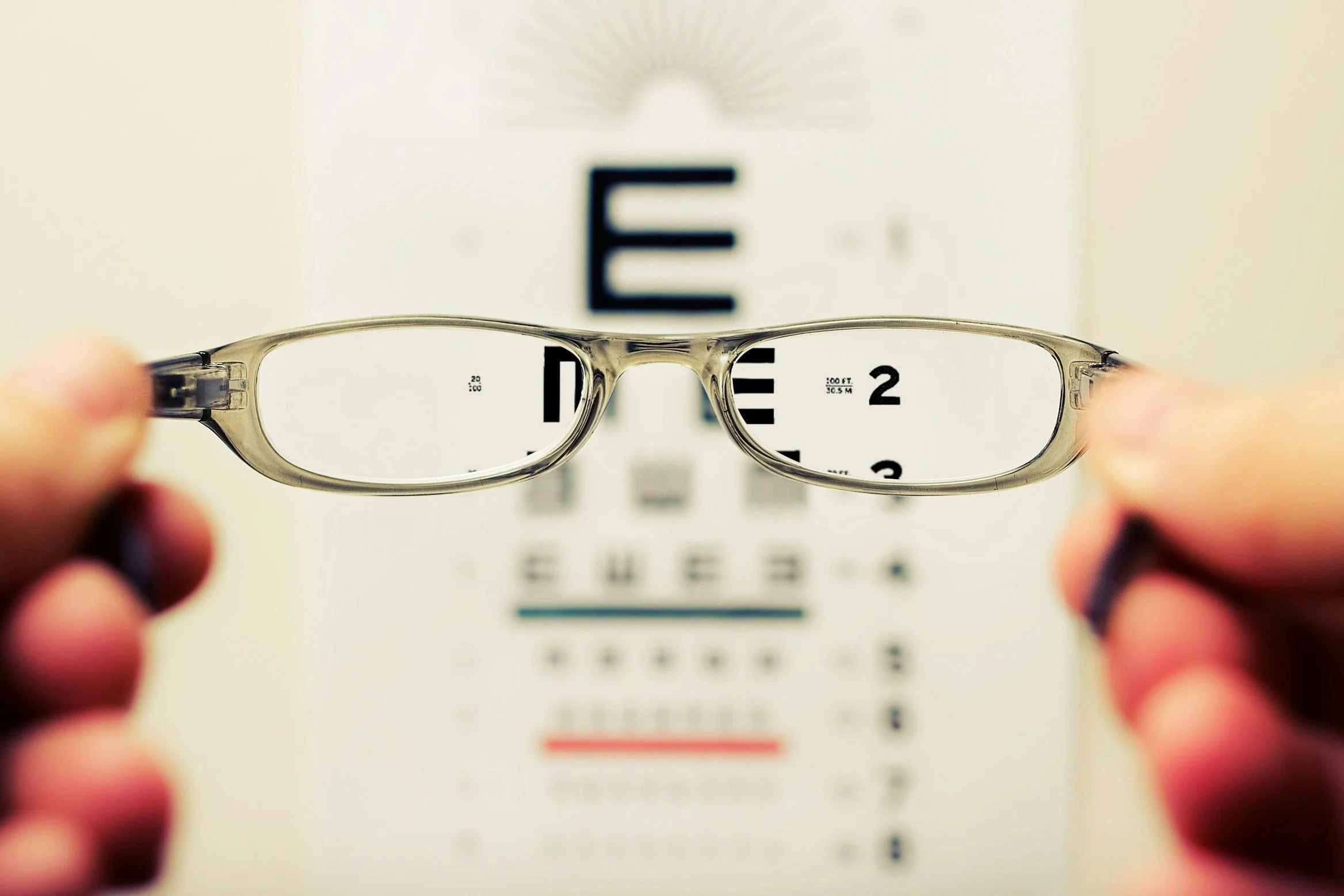
Eye test with glasses
  • About 80% of communication is non‑verbal. This includes facial expressions, body language and gestures. Children with reduced vision cannot easily see these non‑verbal clues, which makes it harder for them to develop social skills.

    Because they cannot see other people’s faces clearly, they may not know how someone is feeling. They might find it difficult to take turns in conversation because they cannot see when it is their turn to speak. They learn more from doing things than from watching others.

    Limited vision also affects how children move. Most young children move because they can see something they want, such as a toy. A child with a visual impairment may not know the toy is there, so they may not reach or crawl towards it.

    Vision also helps children learn through play. Watching other children play teaches skills like sorting, matching, sharing and taking turns. A child who cannot see this may find these skills harder to develop.

    Sight problems can also delay independence. Children may need more support with self‑care tasks such as feeding, dressing and moving around safely.

    Click here to find out more information

  • Use Play to Build Social Skills

    Play helps your child learn how to:
    • share attention
    • take turns
    • enjoy the same activity as another person
    • cooperate
    • use toys in a safe and meaningful way

    Short, simple play sessions can help your child understand how to join in with others.

  • Help your child notice and name their own feelings.
    You can also help them understand what different emotions look like in other people.
    Using pictures, stories or simple facial expressions can make this easier.

  • Empathy means understanding how someone else feels.
    You can help your child by talking about feelings in everyday situations, such as:

    • “They look sad because the game ended.”
    • “They are excited because we are going out.”

    This helps your child learn what emotions look like and why they happen.

  • Social stories are short stories that explain social situations in a simple and clear way.
    They help children understand:
    • what will happen
    • what others might do
    • what a good response could be

    Social stories are useful when a child finds a situation confusing, stressful or new.

    Click here to find out more information on Social stories

Visual Impairment & Social Communication

(Suggested alternative: How Vision Problems Affect Social Skills)

Visual impairment

(Suggested alternative: What visual impairment means)

A child is described as visually impaired when their sight problems are strong enough to affect their learning.

Most children with a visual impairment still have some useful vision. Only about five in every 100 children are totally blind. Most children who are blind or have very low vision are born with their sight condition. A small number lose their sight later because of illness or an accident.

Impact on development

(Suggested alternative: How vision problems affect development)

About 80% of communication is non‑verbal. This includes facial expressions, body language and gestures. Children with reduced vision cannot easily see these non‑verbal clues. This makes it harder for them to develop social skills.

Because they cannot see other people’s faces clearly, they may not know how someone is feeling. They might find it difficult to take turns in conversation because they cannot see when it is their turn to speak. They learn more from doing things than from watching others.

Limited vision also affects how children move. Most young children move because they can see something they want, such as a toy. A child with a visual impairment may not know the toy is there, so they may not reach or crawl towards it.

Vision also helps children learn through play. Watching other children play helps them learn ideas like sorting, matching, sharing and taking turns. A child who cannot see this may find these skills harder to develop.

Sight problems can also delay independence. Children may need more support with self‑care tasks, such as feeding, dressing and moving around safely.

More information:
https://www.teachearlyyears.com/a-unique-child/view/sen-understanding-sensory-impairment

What can be done to improve social skills?

(Suggested alternative: Ways to help your child build social skills)

Play with your child

(Suggested alternative: Use play to build social skills)

Play helps your child learn how to:

  • share attention

  • take turns

  • enjoy the same activity as another person

  • cooperate

  • use toys in a safe and meaningful way

Short, simple play sessions can help your child understand how to join in with others.

Emotions

(Suggested alternative: Help your child learn about emotions)

Help your child notice and name their own feelings.
You can also help them understand what different emotions look like in other people.
Using pictures, stories or simple facial expressions can make this easier.

Empathy

(Suggested alternative: Help your child understand other people’s feelings)

Empathy means understanding how someone else feels.
You can help your child by talking about feelings in everyday situations, such as:

  • “They look sad because the game ended.”

  • “They are excited because we are going out.”

This helps your child learn what emotions look like and why they happen.

Social stories

(Suggested alternative: Use social stories to teach skills)

Social stories are short stories. They explain social situations in a simple and clear way.
They help children understand:

  • what will happen

  • what others might do

  • what a good response could be

Social stories are useful when a child finds a situation confusing, stressful or new.

More information:
https://www.autism.org.uk/advice-and-guidance/topics/communication/communication-tools/social-stories-and-comic-strip-coversations