

Young Carers
Neurodiversity Hub Wirral
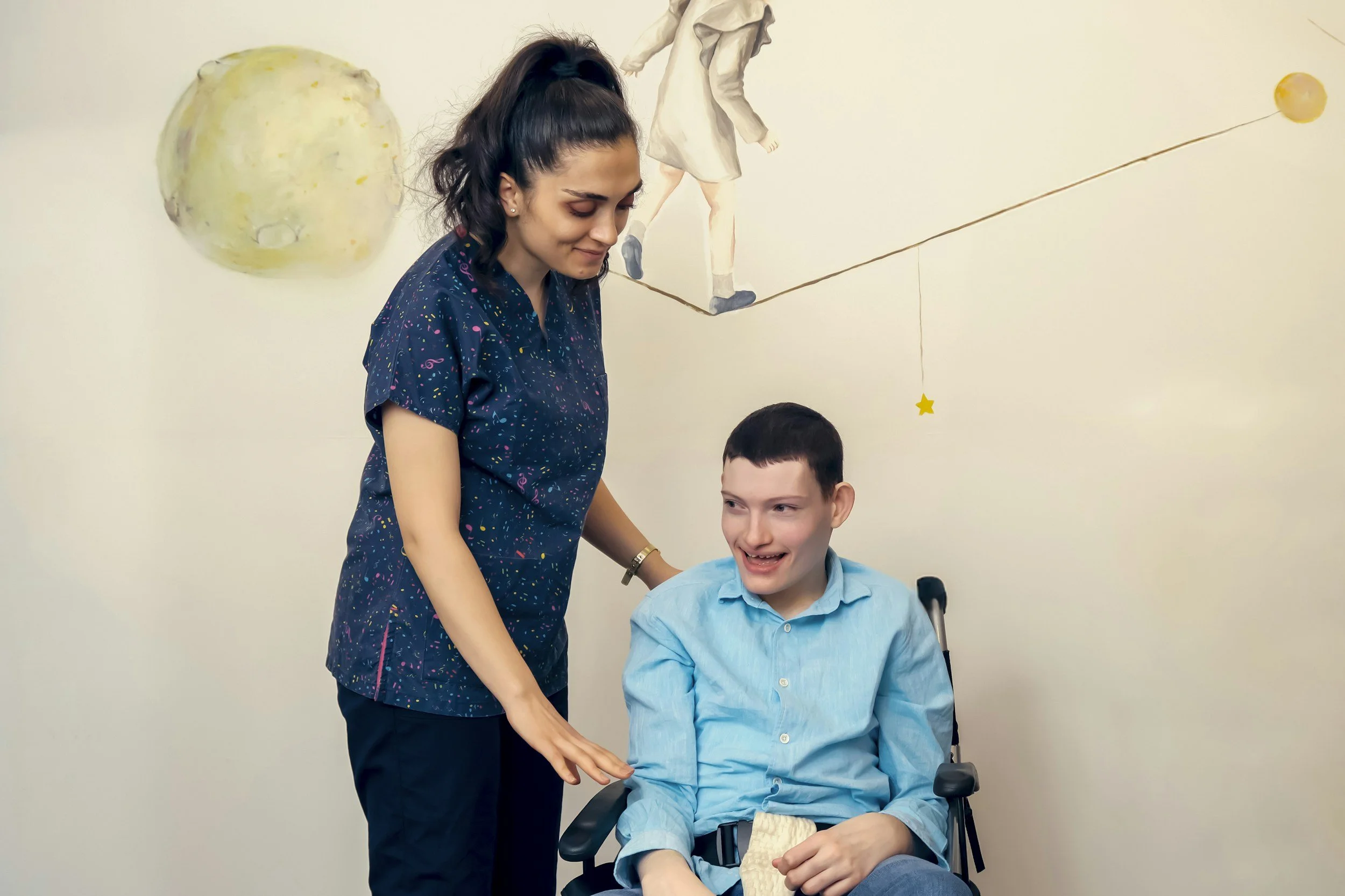
Young Carers
A young carer is someone under 18 who helps look after a parent or another family member. They often do physical and emotional tasks that adults usually handle. This can feel scary and lonely at times.
Being a young carer can have a big impact on growing up. Young carers often have lower school results than their peers. Many young carers also missed extra school time during COVID‑19, so they may need more support to catch up.
Caring can also feel isolating, but the right support can make a big difference. Support can help young carers do well at school, enjoy friendships and feel more confident.
It can be hard to tell friends or adults what is happening at home. You might feel embarrassed or think people will not understand. You may worry that asking for help means letting someone down.
It is always okay to ask for help. Even if you manage a lot on your own, a bit of support can make life easier for you and the person you care for. You never let anyone down by talking about it.
Being a young carer can take up a lot of time and leave little space for yourself. It is important to find time for schoolwork, friends and things that make you feel good.
Meeting up with friends
You may wonder how to see friends when you are a young carer. But seeing friends is important and can help you feel supported.
Some things you can do
If it’s hard to leave the house, invite a friend over. This can help them understand your situation too.
Join your local young carers group. You can meet others who are going through similar things.
If friends cannot visit, try online activities. Many young carer groups offer these.
Schoolwork
It is important to do as well as you can at school or college. If you are struggling with homework or finding it hard to concentrate, speak to a trusted adult at school. Many schools have a “young carers champion” you can talk to.
Your school may be able to:
give you extra time for homework or coursework
let you do schoolwork in school instead of at home
make sure teachers do not talk about your family situation in front of others
let you use a phone to check in at home if needed
understand if you arrive late because of caring tasks
support you with decisions about college or jobs
arrange someone to talk to if things get difficult at home
help you learn about the illness or disability of the person you care for
allow time to re‑sit exams if your results were affected
Local support
Kernow Young Adult Carers – Action for Children
https://www.actionforchildren.org.uk/how-we-can-help/our-local-services/find-our-services-near-you/kernow-connect/
They offer different types of support for young people aged 11 to 19, and up to 25 for young people with special educational needs and disabilities (SEND), in Cornwall.
Meet other young carers
Meeting other young carers can help you feel less alone. It gives you the chance to make new friends, have fun and share worries with people who understand your situation.
Young carer groups can also give you a break from home. They may offer evening clubs, weekends away, days out, holidays, and friendly advice for you and your family.
The Children’s Society runs the Young Carers Festival and supports young carer projects.
https://www.childrenssociety.org.uk/information/young-people/young-carers/festival
Action for Children can help you meet other young carers. They also offer free spaces at residential activity camps.
https://www.actionforchildren.org.uk/our-work-and-impact/children-and-families/young-carers/
Help from social worker
A social worker from your local council must visit if you or your parents ask for help.
They may support your family if you are finding things difficult to manage on your own.
Help from doctors, nurses and other health workers
If you are worried about your health, or the health of the person you care for, speak to a doctor or General Practitioner (GP).
School nurses often visit schools and can talk with you about health concerns.
Counsellors work in schools, hospitals and youth centres. They listen and give advice in a private space.
Mental health nurses can support you if you have worries about mental health. If the person you care for has a community psychiatric nurse, you can talk to them about the condition and how you can help.
If you are worried about your own mental health, there are services across the country that support children and young people.
Other organisations that can help young carers
Citizens Advice gives information about money, benefits and your rights.
National Careers Service offers help with education and careers. Support is available up to age 25 for young people with learning difficulties or disabilities.
Sidekick
Sidekick is a private and anonymous text service for young carers aged 13 to 18 in the UK. You can text at any time about anything that worries you. They will reply within 24 hours.
📱 Text: 07888 868 059
https://sidekick.actionforchildren.org.uk/
https://www.actionforchildren.org.uk/how-we-can-help/our-local-services/find-our-services-near-you/sidekick/
When you turn 18
Young carers who are close to turning 18 can get help under the Care Act. This is true no matter how old their sibling is.
As you approach your 18th birthday, you can ask for an assessment of your needs. This will help you find out what support is available to help you reach your goals, such as going to college or starting work.
https://www.cornwall.gov.uk/health-and-social-care/childrens-services/young-carers-and-young-adult-carers/